Minewind is a survival server built around choosing your own path and hunting down powerful loot that fits your play style. Find a wide variety of gear in chests across the world, trade with villagers for emeralds, and take on dangerous mon…
Active owner
An active owner server has visible, hands-on leadership. The person running it stays close to day-to-day reality, makes calls when they are needed, and follows through. It is not about living in chat. It is about consistency: reports get acknowledged, rules are enforced the same way, and changes come with an explanation instead of surprises.
That presence changes how the server feels. Grief and theft claims get handled before they turn into public fights. Cheats and exploit loops do not linger for weeks. If the economy starts warping from a dupe, a broken villager trade, or an over-tuned reward item, someone with authority can step in fast, apply a rollback or targeted fix, and state the new ground rules clearly.
Active ownership also shows up in maintenance and pacing. Config tweaks, small patches, and event timing respond to how people actually play, not just launch-day intentions. Resets tend to have a reason and a plan. New features get tuned after feedback because the owner is paying attention to what adds depth and what only adds noise.
At its best, this format feels stable and fair without feeling controlling. Staff are supported instead of second-guessed. Regulars know where to take problems and can expect a real answer. That baseline trust is a big reason players choose active owner servers for persistent SMP worlds and any mode where reputation and progression matter.
What counts as an active owner in multiplayer Minecraft?
An owner who is reachable, informed, and decisive. You will see timely responses to serious reports, clear calls on edge cases, fixes when something is broken, and communication that explains why a change happened. Presence is measured in follow-through, not in how often they talk in public chat.
How can I tell if a server really has an active owner before I invest time?
Look for recent, specific announcements or patch notes, and watch whether support questions get real answers instead of canned replies. Join during busy hours and see how quickly staff can resolve a clear rule break. Consistent communication around bans, rollbacks, and balance changes is usually the strongest signal.
Does an active owner reduce griefing, cheating, and drama?
It usually reduces repeat offenders and the feeling that reports disappear. Fast investigation and consistent outcomes discourage opportunistic behavior. It will not prevent every incident, but it keeps problems from becoming the normal state of the server.
Can an active owner server still avoid favoritism?
Yes, if decisions are process-driven. Healthy servers rely on written rules, logged actions, and predictable outcomes like warnings, rollbacks, and bans. Active ownership helps when it is disciplined; when it is impulsive, it can amplify conflict.
Why does active ownership matter so much on economy or territory-driven servers?
Those modes create strong incentives to exploit. Dupes, alt abuse, shop price manipulation, and border or claim edge cases can distort progression quickly. An active owner keeps the power curve and economy from drifting into a state where early abusers permanently benefit.
-
-
2
 23/200OnlineBugMC is a friendly, survival-based 1.21.11 community with a laid-back experience where you can build, explore, and play at your own pace. We offer a PvP toggle, a forgiving graves system, and land claim so you can protect what you’ve earne…
 -
3
 16/500OnlineHypersteal is a public Minecraft network open to both Java and Bedrock players. Our goal is to make it easy to jump in with friends across platforms and always have something to do. Right now, our main experience is Lifesteal with PvP…
 -
4
 9/200OnlineViking Factions OG is built for players who want the classic factions experience with skill-based 1.8-style pot PvP, running on a modern Minecraft 1.21.4+ server. We focus on fair competition with no pay-to-win and a balanced economy. If yo…
 -
5
 6/330OnlineNINDEN is a Naruto-themed Minecraft server focused on an immersive ninja-world experience built around jutsu, missions, and classic events inspired by the series. Choose the path you want to follow as you play. Work toward peace in the ninj…
 -
6
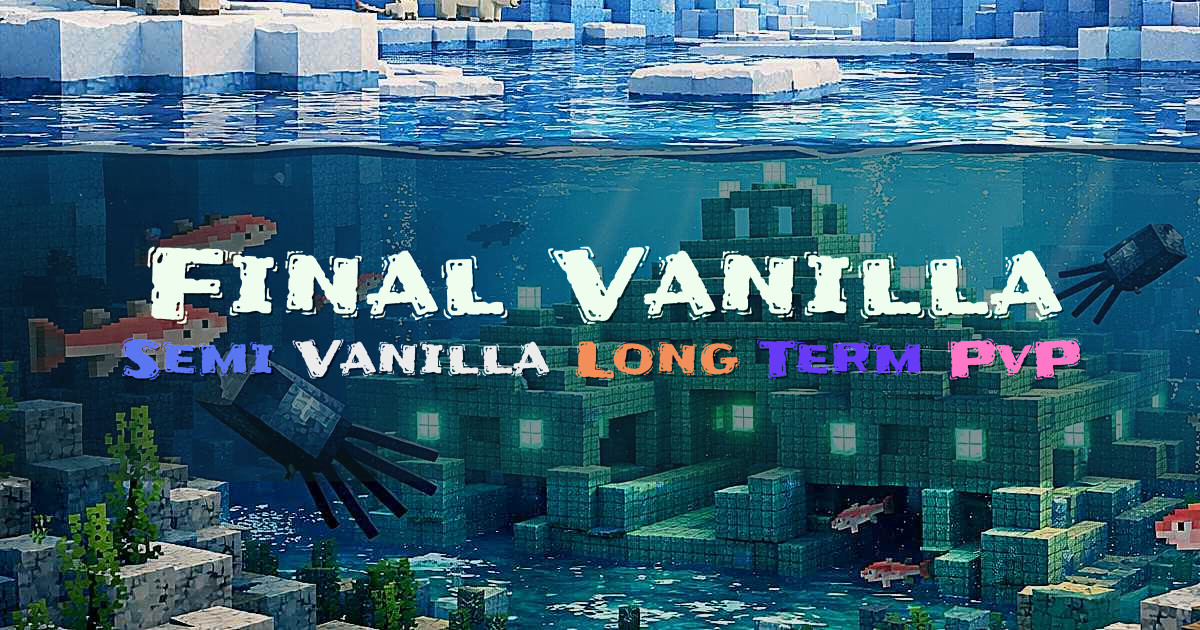 3/200OnlineFinal Vanilla is a brand new semi-vanilla server built for players who want a long-term world that stays fair and worth investing in. We keep gameplay mostly vanilla, with a few careful improvements aimed at protecting the experience and ke…
 -
Welcome to ChunkLock, a unique survival experience built around starting in a single chunk and earning your way outward. Gather resources, build up your area, and expand your territory as you progress. Beyond your starting space, explore is…
-
8
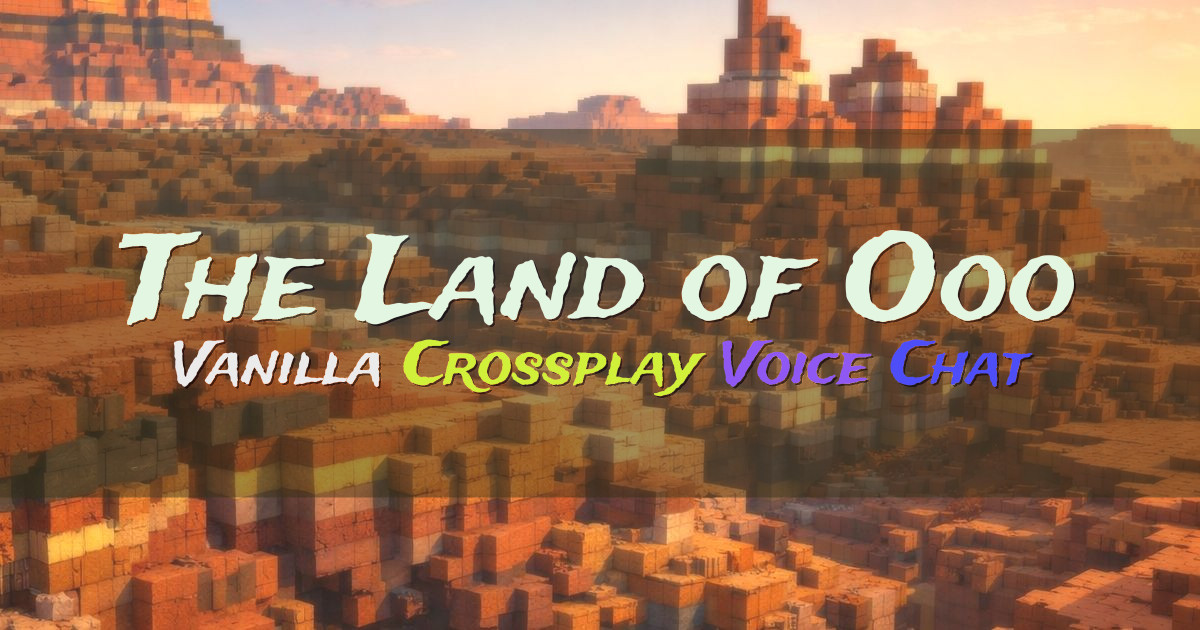 1/2010OnlineThe Land of Ooo is a clean, focused survival experience with a vanilla world and an Adventure Time themed hub. The vanilla survival server is classic Minecraft with crossplay support for Java and Bedrock, plus optional proximity voice chat…
 -
9
 1/500OnlineOrbital SMP has been running since October 25 and is built for players who want an SMP experience with a calmer pace and fewer raids. We keep rules to a minimum so you can focus on playing your way. The main expectation…
 -
StackSMP is a DonutSMP-styled SMP built for players who want a familiar survival experience with a few quality-of-life perks. We keep an AFK area available, offer free keys, and stay active as an owner-run server so feedback is seen and the…