Minewind is a survival server built around choosing your own path and hunting down powerful loot that fits your play style. Find a wide variety of gear in chests across the world, trade with villagers for emeralds, and take on dangerous mon…
Arcade
Arcade servers are built for quick sessions. You spawn into a lobby, queue up, and get into a match fast. Rounds are short, rules are readable, and the whole point is variety. Instead of living in one world or chasing long progression, you hop between bite-sized games that start and end clean.
A typical lineup mixes movement challenges, micro PvP, and party-game chaos. You might run parkour checkpoints with speed boosts, play spleef or snowball knockback on a tiny platform, then drop into a kit arena where the loadout only exists for that round. The best arcade servers treat Minecraft like a toolbox: slime blocks, tridents, elytra, knockback tuning, and command-driven mechanics show up because they make a tight three-minute game.
The loop is simple: queue, round, reward, repeat. You learn maps, pick up small optimizations, and chase consistency more than gear. Skill still matters, but it is usually movement, timing, and decision-making under a clock. Even PvP-heavy games stay objective-driven because scoring and round timers keep everyone moving.
Arcade culture is lobby-first. Expect cosmetics, daily quests, parties, and constant player churn as matches fill and empty. You can queue solo and be fine, but a coordinated party can swing team modes hard. When an arcade server is healthy, it feels active even if you only have fifteen minutes, because the format is designed around always having the next round ready.
What games do arcade servers usually run?
Mostly short minigames: parkour and race modes, spleef variants, knockback games, small kit PvP arenas, and quick team objectives like capture points or simple goal scoring. Names differ by server, but the shared DNA is fast queues and instant resets.
How much progression is there on an arcade server?
Usually light progression: coins, levels, cosmetics, and occasional game-specific unlocks. Most modes are meant to be playable without grinding, so a new player can still compete because the rules and scoring matter more than gear.
What Minecraft version should I use?
Use the server's recommended version when you can. Some networks let multiple versions connect, but games that rely on 1.9+ combat timing, elytra physics, tridents, or newer movement quirks feel more consistent on the intended client.
Are arcade servers good for beginners and mixed-skill friend groups?
Yes. Short rounds make learning painless, and parties can stay together while sampling different games. Newer players can contribute in objective and movement modes even if they are not confident in PvP.
Do arcade servers get competitive?
They can. Leaderboards, winstreaks, and sometimes ranked queues push players to sweat, but the format stays approachable because losses are low-stakes and you are always one requeue away from a fresh start.
-
-
2
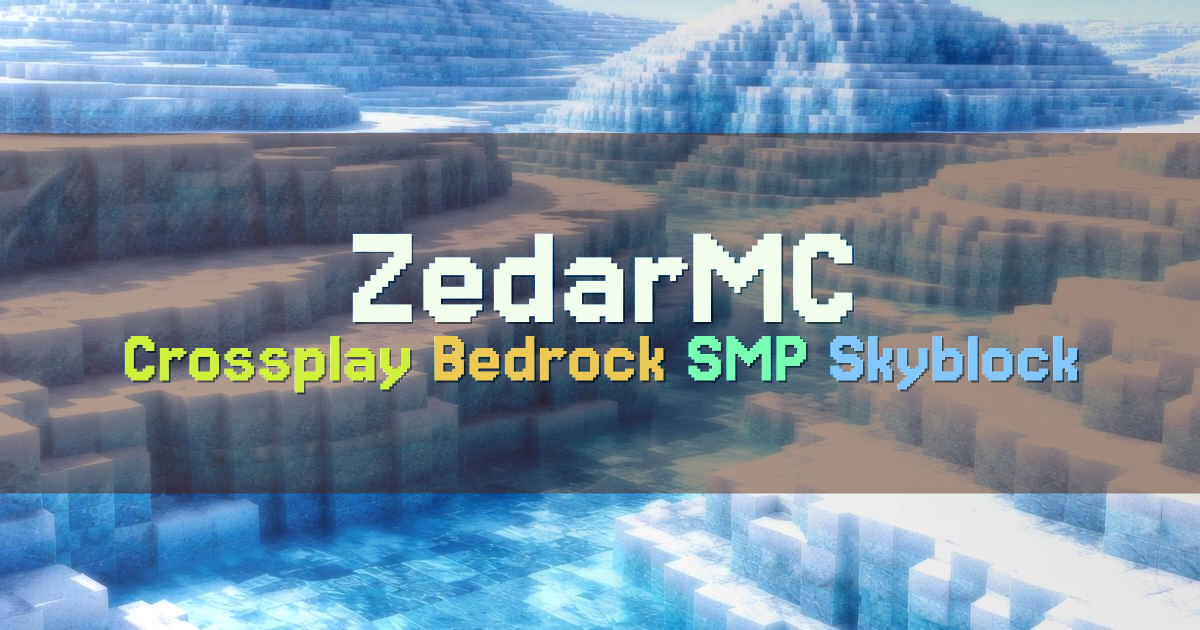 200/300OnlineWelcome to ZedarMC, a friendly crossplay Minecraft network with Bedrock Edition support. We focus on a relaxed, community-first experience, with staff available when you need help. With a mix of peaceful and competitive options, you can fin…
 -
3
 43/500OnlineCharmMC is built around custom and unique experiences, while still keeping the gameplay modes you come back for. Whether you want to explore Earth, settle into a Survival SMP, take on OneBlock, or jump into Lifesteal, there are multiple way…
 -
4
 18/250OnlineBienvenido a OsirisMC. Nuestro servidor está pensado para quienes disfrutan la supervivencia, pero quieren un mundo más grande, más exigente y con progresión real mientras exploran. Jugamos en un mapa colosal de 20,000 x 20,000 bloques, con…
 -
5
 15/1000OnlineHBNetwork is an established Minecraft network built around a strong community and a focus on delivering a consistently enjoyable experience. We host a variety of game modes, including Survival, Skyblock, Factions, and KitPvP, with gameplay…
 -
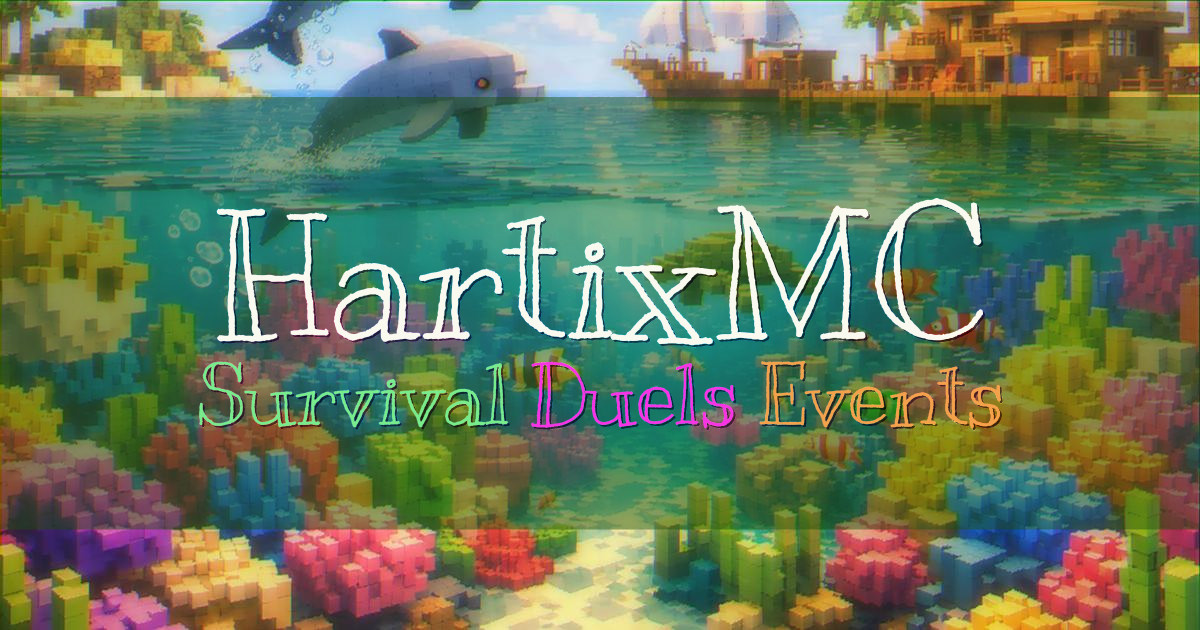
Welcome to HartixMC, a Minecraft server built around a balanced mix of Survival, Duels, and regular Events. In Survival, you can gather resources, build your own creations, and explore the world alongside a welcoming community. Whether you…
-
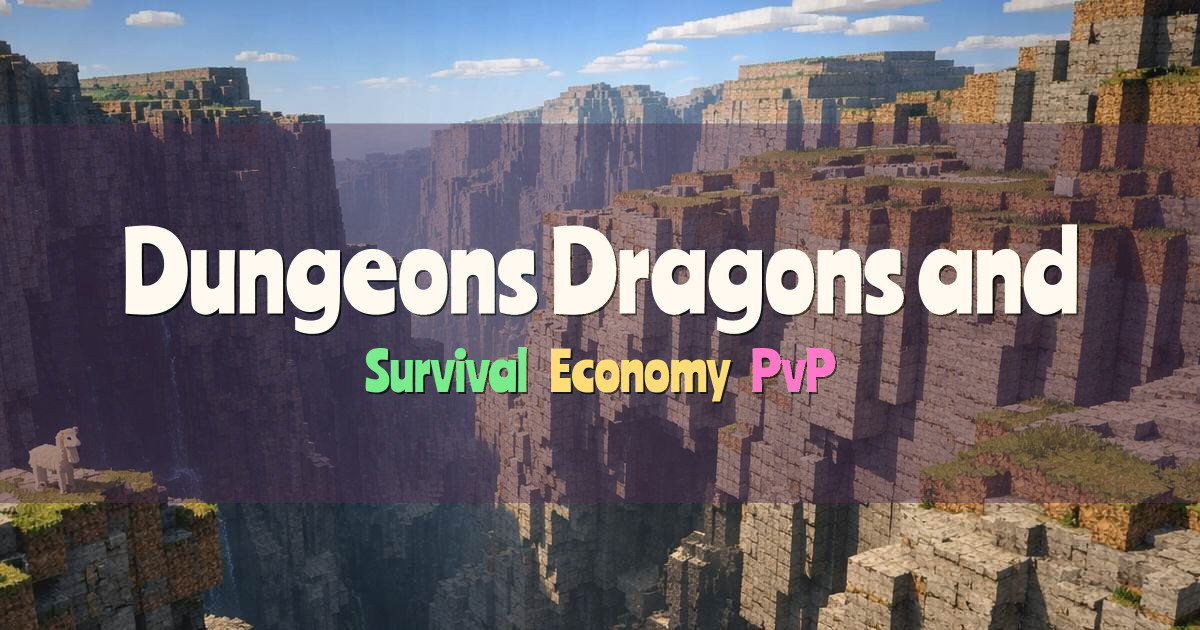
Dungeons Dragons and Space Shuttles is a survival server focused on a balanced mix of progression, community play, and optional PvP. We run a grief prevention land claim system to help you protect your builds, along with an economy that inc…
-
8
 4/50OnlineInfiniteSMP is a newly launched Survival SMP for players who want a long-term world, relaxed vibes, and a small community that values playing together. We’re keeping it small and friendly on purpose, so it feels more like a group server tha…
 -
septem is a Minecraft Fabric anarchy server built for minimal interference and long term persistence. We run a fresh world with no planned resets, and we keep the experience focused on vanilla survival freedom. There are no gameplay rules a…
-
10
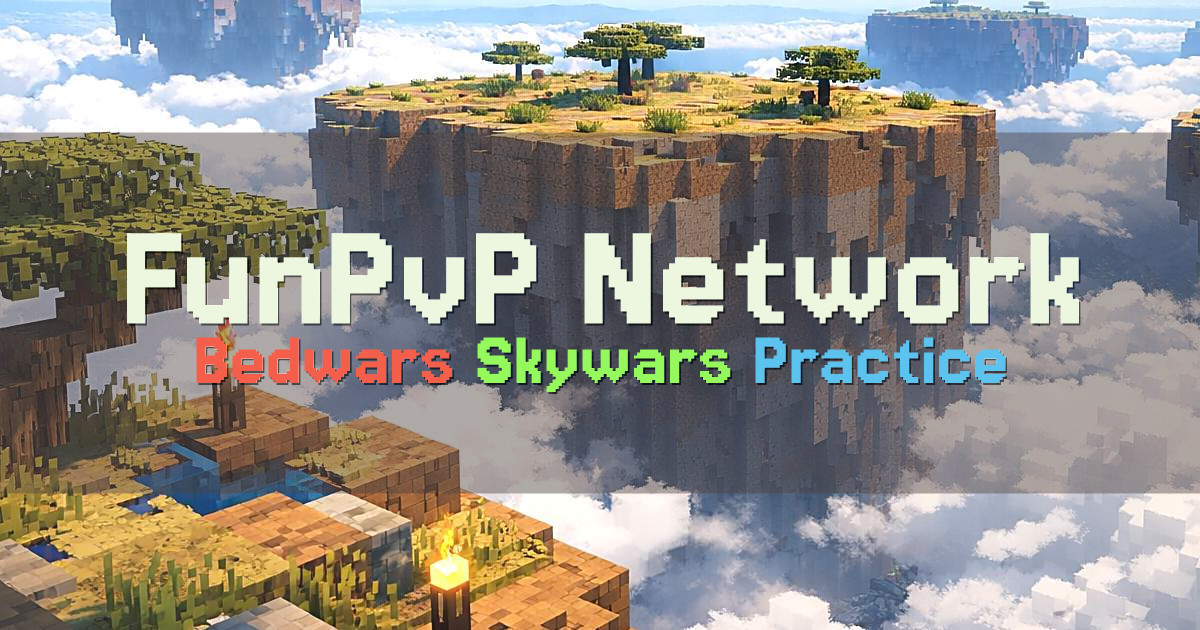 1/200OnlineWelcome to FunPvP Network, a PvP-focused Minecraft network built to be a fun place to practice and play across multiple game modes. We currently offer six modes: Bedwars, Arcade, Fastbridger, Skywars, Build Battle, and Practice. Our goal is…