Minewind is a survival server built around choosing your own path and hunting down powerful loot that fits your play style. Find a wide variety of gear in chests across the world, trade with villagers for emeralds, and take on dangerous mon…
bridging
Bridging servers are built around one mechanic: placing blocks while moving to cross void gaps quickly without losing control. In Bedwars and similar rush modes, clean bridging decides who reaches mid first, who connects to a base sooner, and who can rotate or escape without stalling. These servers isolate that make-or-break moment and turn it into focused practice.
Most maps are simple on purpose. You spawn with blocks facing a lane over the void, bridge to the end, get a time and a fall count, then reset instantly. Improvement comes from tightening the placement rhythm while staying in motion, whether you are taking a safer approach with frequent stabilization or pushing faster lines that punish mistakes.
The experience feels like a mechanics lab with parkour stakes. There is no gear progression, just repetition and feedback. You start paying attention to sprint control, short sneak taps, crosshair placement, and recovery after a misplace, because any hesitation costs seconds. With enough reps, bridging stops feeling like a separate skill and starts showing up in matches as faster early routes and steadier decisions under pressure.
Many servers add competition without making it about PvP. Leaderboards, parallel-lane races, duels, and courses with diagonals, elevation changes, or tighter headroom force you to stay consistent instead of relying on one comfortable pattern. The best setups keep resets fast and timings honest so your practice translates to real game conditions, not just one perfect run.
Who benefits most from bridging practice?
Players in Bedwars, Skywars, and any void-heavy mode gain the most, because early rotations and mid control are often decided by who can bridge cleanly at speed. It is also useful for anyone who builds under time pressure, even outside strict PvP.
What do you do on a bridging server, minute to minute?
Run short lanes that require you to place blocks while moving, finish the course, then reset and repeat. Most sessions are about shaving time, reducing falls, and keeping momentum through mistakes rather than landing a single lucky run.
Are there different types of courses or rules?
Yes. Common variants include straight lanes, forced diagonals, elevation shifts, low headroom, limited space to correct, and modes that restrict blocks or add light hazards. The goal is to make your movement and placements reliable across situations you actually see in matches.
Do bridging servers involve PvP?
Usually not. The pressure comes from timers, consistency tracking, and races. If you want practice that feels closer to real fights, look for race modes, limited-block challenges, or knockback hazards that punish panic building.
What makes a bridging server worth using?
Instant resets, accurate timers, and course lengths that resemble common match distances. Strong servers also track personal bests, offer multiple difficulties, and include course variety that forces both safe and fast approaches instead of letting one method dominate.
-
-
2
 211/500OnlineWelcome to VoidsentMC, a Minecraft network built around multiverse gameplay, custom adventures, and a mix of PvP and PvE. Jump into Voidsent SMP to claim land for your faction, raid enemy bases, craft custom gear, upgrade it with custom enc…
 -
3
 95/2000OnlineWelcome to Breeze SMP, a new server offering a fun 1.21 Survival experience with Bedrock support. We focus on community building, making it easy to settle in, meet new people, and create something together while you play. Jump in for that f…
 -
4
 22/125OnlineExeosCraft is a long-term Survival SMP for players who want a stable place to call home. Our world is permanent and we do not reset the map, so your builds and progress are made to last. We run a no-grief environment with…
 -
5
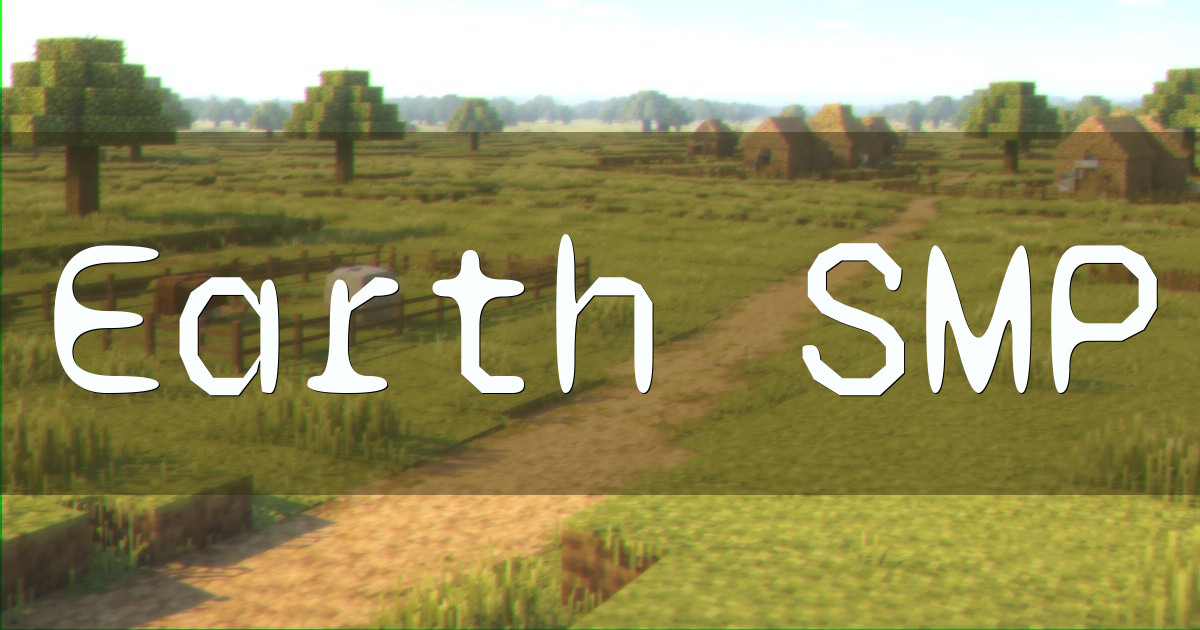 11/2026OnlineWelcome to SlashMC, a Java and Bedrock compatible Earth SMP built for Minecraft 1.21 and up. We run a full-scale Earth map and focus on meaningful progression with quality-of-life improvements that support a long-term survival experience. E…
 -
Bienvenido a PlatiumCraft Pixelmon 1.21.1, un servidor donde Pokémon y Minecraft se combinan para crear una aventura completa, con una comunidad amigable y eventos frecuentes. Aquí puedes construir y jugar con tranquilidad gracias a nuestro…
-
7
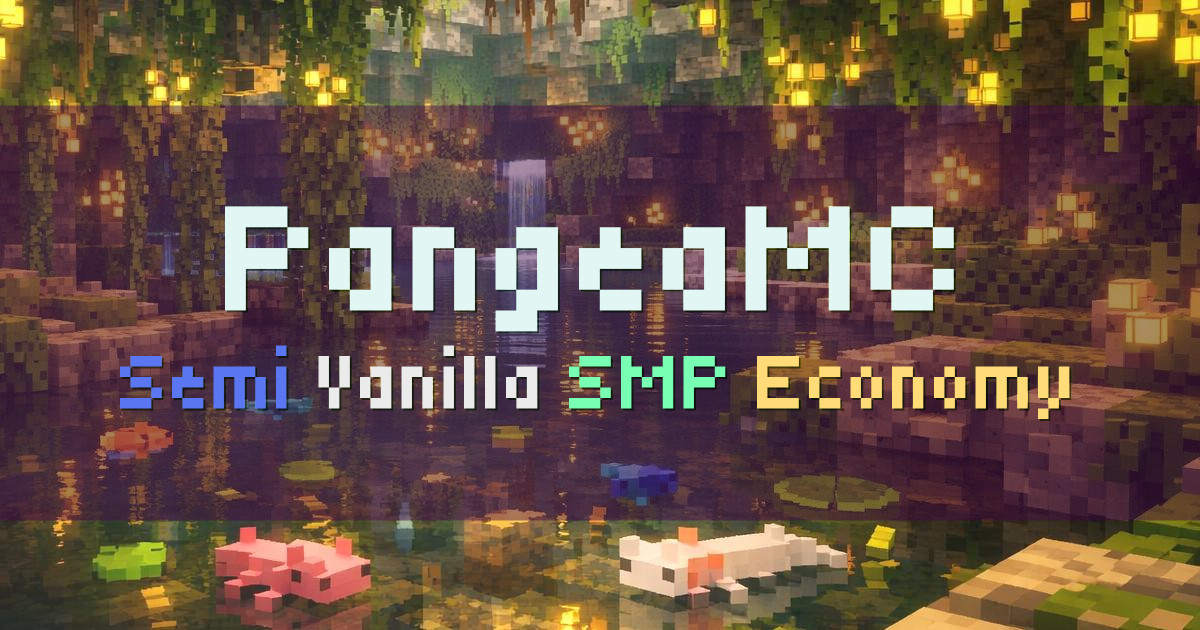 5/30OnlinePangeaMC is a community-driven survival server built for players who enjoy long-term progression, creativity, and a friendly place to play. We focus on a semi-vanilla SMP experience with quality-of-life improvements that keep survival feeli…
 -
8
 5/1000OnlineWelcome to AlanBeckerMC, the official Alan Becker Minecraft server. We run a selection of gamemodes so you can play the way you like, including Survival, Skyblock, and Creative, with more to explore in-game. If you are looking for a friendl…
 -
9
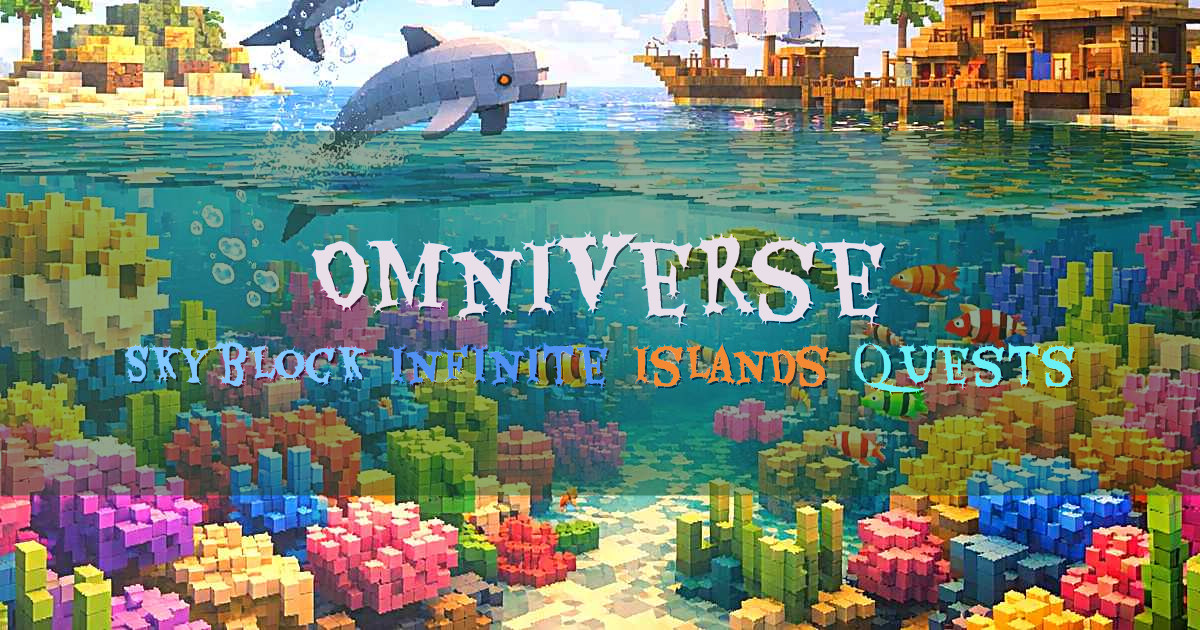 2/3OnlineOmniverse is a Skyblock server built for long-term progression with infinite islands and no island wipes. Your island can expand endlessly as you grow, so you’re never boxed in by a limited world. Exploration matters here. Our custom, multi…
 -
10
 0/256OnlineAquaBridge is a semi vanilla Minecraft 1.8.8 server built specifically for practicing bridging. We focus on a smooth practice experience with features like a replay system, a moderated verification system, the ability to set your spawn posi…