Minewind is a survival server built around choosing your own path and hunting down powerful loot that fits your play style. Find a wide variety of gear in chests across the world, trade with villagers for emeralds, and take on dangerous mon…
Business building
Business building is about treating a build as infrastructure, not scenery. You design a place other players can understand and use: clear entrances, obvious product flow, readable signage, customer space, and a protected back room for storage and restocking. The build is your storefront and your promise that visitors can get in, find what they need, and leave with the trade completed.
The loop stays engaging because it is practical and social. You source materials, stock shelves, set prices, and keep up when demand changes. Servers do this with chest shops, villager trades, trade booths, or a currency plugin, but the feel is consistent: your reputation is a resource. If the shop is empty, confusing, or constantly broken, traffic dries up. If you are dependable, your spot becomes part of the server’s mental map.
These servers naturally grow commercial districts where convenience and presentation matter. Location, pathing, and uptime become real advantages, so players compete through specialization, bundles, delivery, and smoother layouts rather than direct conflict. The best worlds start to feel like a town: supply chains form, partnerships happen, and new players get pulled into long-term planning through jobs, commissions, and the steady pressure to expand without turning the build into a dead museum.
What separates a business build from a normal base?
A business is built for repeat public use. It has a clear offering, an obvious way to trade or request service, predictable access, and a restocking plan. A base can be private and optimized for the owner; a business is optimized for visitors.
Do you need an economy plugin for business building to work?
No. Currency systems help with pricing, but barter, chest shops, and villager trading can support the same gameplay. What matters is that players run public storefronts inside a shared market.
What kinds of shops and services succeed in survival?
Consistent staples win: tools and armor, building blocks, food, rockets, potions, redstone components, and curated palettes. Services also work when they save time, like enchanting setups, repair and anvil access, commissions, delivery, or resource sourcing on request.
How do shops stay safe from theft or griefing?
Most servers use claims or plots to protect containers and blocks. Good shop layouts keep inventory in secured storage, expose only the trading interface, and separate the customer floor from the backend so browsing stays open without risking stock.
Is the culture more competitive or cooperative?
Both. You compete on price, convenience, and experience, but long-running markets create cooperation through supplier deals, referrals, shared districts, and joint projects like malls or market squares.
-
-
2
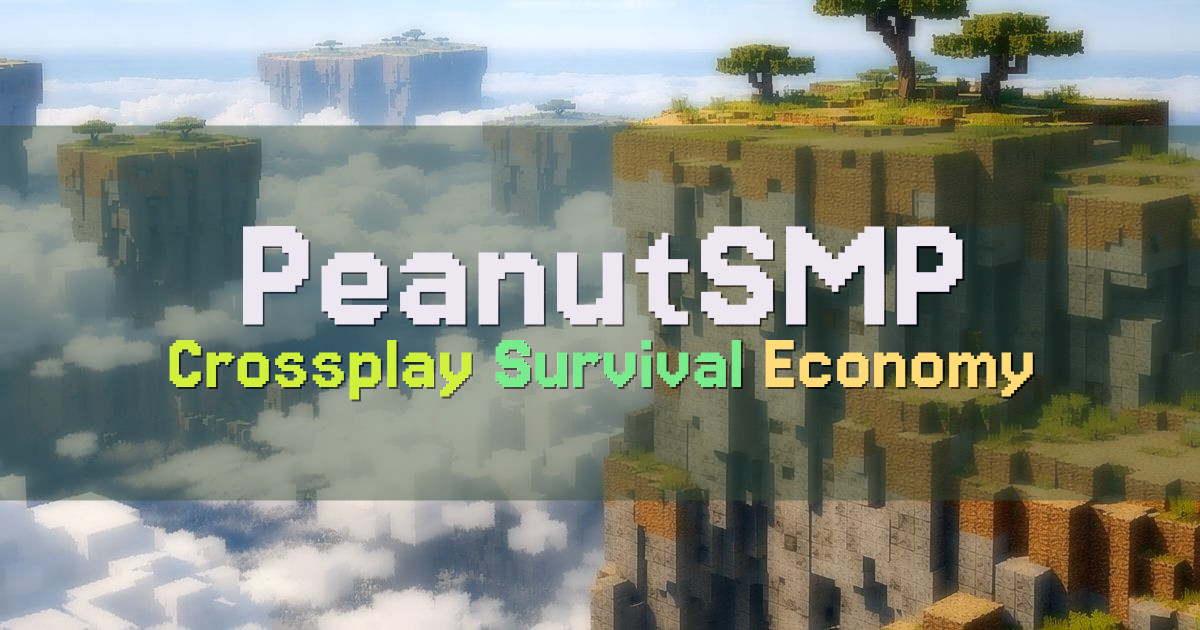 24/2026OnlineWelcome to PeanutSMP, a safe and friendly crossplay SMP for both Java and Bedrock players. We focus on a welcoming community where you can make friends, build freely, and enjoy a relaxed, no-grief experience. We run on the latest version wi…
 -
3
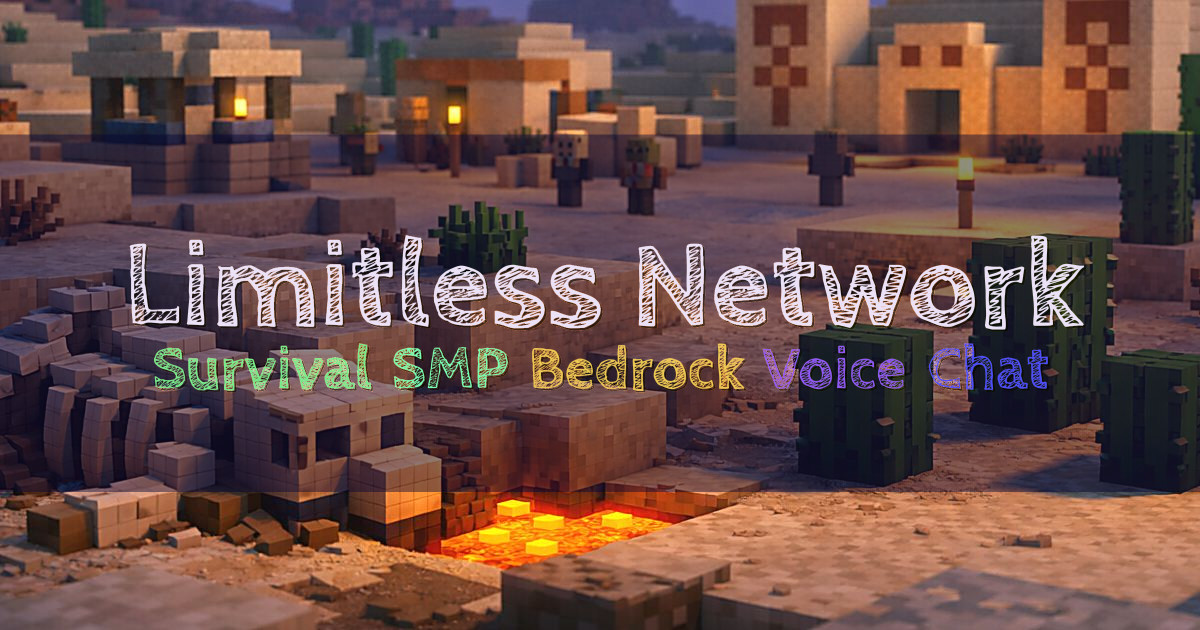 23/999OnlineLimitless Network is a Survival SMP built for players who want a steady long term world with room for both chill progression and conflict. We support Bedrock and cross play, with version support back to 1.9, so it’s easy to bring friends…
 -
4
 9/200OnlineSunflower SMP is a friendly, safe, and relaxing place to play Survival with a community-first focus. We keep things welcoming and low-stress with keep-inventory and a selection of cute cosmetics. Settle in and build with land claiming, take…
 -
5
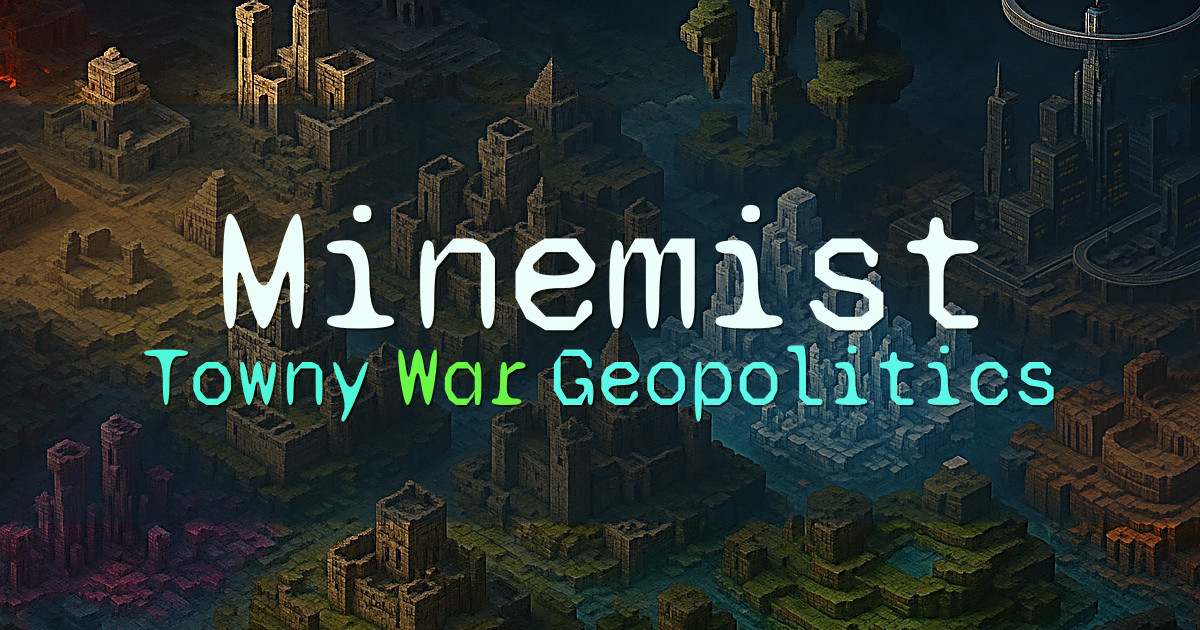 7/50OnlineWelcome to Minemist, an Oceania Towny geopolitics server hosted in Sydney, Australia. Minemist is built around nations, territory, and war, with a bordered world and a live map that shows everyone in the overworld. Politics is public, towns…
 -
Welcome to StatesMC, a PvP-focused SMP built around factions and geopolitics, with a gun system that works without mods. Our factions dynamic is designed to minimize grinding so you can spend more of your time on the parts that make this st…
-
LukeSMP is a mainly vanilla Survival SMP with an economy and a set of quality of life plugins that keep the experience smooth without changing the core feel of Minecraft. We support both Java and Bedrock players, and we run with no…
-
8
 0/80OnlineBusinessCraft is a survival city roleplay server focused on building a life in a living, player-driven city. We use custom, easy-to-use plugins to help simulate real city systems while keeping gameplay approachable and familiar. Choose from…
 -
CraftYourTown has been running since 2017 with a dedicated community focused on building, exploration, and taking on new challenges together. Settle in and design your own town, then head out for quests, custom mobs, and new discoveries acr…
-
I-Pixelmon is a Pixelmon survival server with real Gym Leaders, an Elite Four and Champion, plus Pixelmon Showdown battles. Progress through PvE challenges like the Battle Tower, Training Tower, Boss Room, and Boss Raids, while still playin…