Minewind is a survival server built around choosing your own path and hunting down powerful loot that fits your play style. Find a wide variety of gear in chests across the world, trade with villagers for emeralds, and take on dangerous mon…
diplomacy gameplay
Diplomacy gameplay is multiplayer Minecraft where the real progression comes from agreements, not just gear. You still mine, build, and farm, but the biggest swings happen through borders, treaties, trade access, and knowing which promises actually hold. The core loop is survival plus social logistics: secure a base, establish defenses or claims, then spend serious time negotiating, coordinating, and reading the room.
It usually centers on groups: nations, towns, factions, companies, or guilds. Builds double as signals. A fortified nether hub, a public iron farm, a stacked villager hall, or a reliable road network is both infrastructure and leverage. Players bargain for access, set rules around shared projects, trade materials, and swap services like enchanting, brewing, or raid farming. When it clicks, the server feels like one connected economy with competing interests, not isolated bases.
Conflict is part of the format, but it tends to be social and procedural before it turns into straight PvP. Disputes escalate through warnings, reparations, embargoes, bounties, border incidents, and alliance requests. Some servers formalize war with declarations, siege windows, or objectives; others rely on reputation and receipts to keep things contained. The memorable moments are often the lead-up: locking down supply lines, moving valuables, recruiting help, and deciding whether a public concession is cheaper than losing a beacon.
The vibe is tense, cooperative, and political in a practical way. You log in to messages, shifting alliances, and plans that depend on other people showing up. The map becomes relationships: who you trade with, who you buffer against, who you cannot afford to anger. Success comes from being useful, keeping the deals that matter, and choosing carefully when to take a hit versus when to escalate.
Is diplomacy gameplay roleplay, or just survival with politics?
Most servers are survival-first with a politics layer. Some lean into RP, but the diplomacy usually stays grounded in real control of resources, territory, and coordination.
Do I need to be good at PvP to matter?
No. PvP is a deterrent and decides fights, but influence often comes from logistics and reliability: supplying gear and potions, running infrastructure, gathering intel, and showing up when your group needs you.
How are wars typically handled?
Common setups include declared sides with time windows and objectives, or looser conflicts constrained by community standards and negotiated limits. Either way, diplomacy-heavy servers usually treat war as something you enter intentionally, not constant random raiding.
What should I do first if I join solo?
Get yourself stable, then get yourself known. Settle somewhere sensible, introduce yourself to nearby groups, and build one useful, visible thing like a small trading post, a safe route, or an enchant and repair spot. Make a small agreement and keep it; early reputation is real protection.
Do these servers require being online all the time?
It depends on the pace and how organized groups are. The healthiest environments use written agreements, shared storage, and time-boxed conflict, so influence is not just whoever is online the most.
-
-
2
 18/500OnlineSoloraMC is a fresh LifeSteal server built for players who want more than the usual routine. Alongside LifeSteal PvP, we run a revive system and include legendary items to keep fights and progression interesting. If you enjoy playing with o…
 -
3
 12/99OnlineBoredomMC is a Java network for players who want fair survival and long-term worlds, with two very different survival experiences plus a parkour server. Everything is hosted in the UK, with an online-mode-only setup. Our Whitelisted SMP is…
 -
Crystal Skies is a recently opened Cobblemon Fabric server built around community and entertainment, with frequent events and plenty to do whether you play casually or like to compete. We keep things accessible by requiring only the Cobblem…
-
5
 8/300OnlineHugeSMP is a Lifesteal survival server built around active PvP and systems that keep fights and progression feeling fresh. If you enjoy taking risks, defending what you build, and earning your wins, you’ll fit in here. We run hourly PvP eve…
 -
6
 7/100OnlineWelcome to HappyCloud, a newly restarted Pixelmon server where everyone is starting fresh. We run regular events throughout the week, including drop parties every Saturday and tournaments every Sunday. On Wednesdays, we host Metronome Togep…
 -
7
 2/30OnlinePostMortal is a permanent-death multiplayer server where you only get one shot. There are no revives and no second chances, so every fight, risk, and decision matters. PvP is fully open, and so are stealing, raiding, and griefing. It is a v…
 -
8
 1/500OnlineHellMC is a crossplay SMP survival server where Java and Bedrock players can play together in one shared world. We keep survival competitive with PvP and LifeSteal, while still aiming for a vanilla feel. Whether you want to build, fight, or…
 -
9
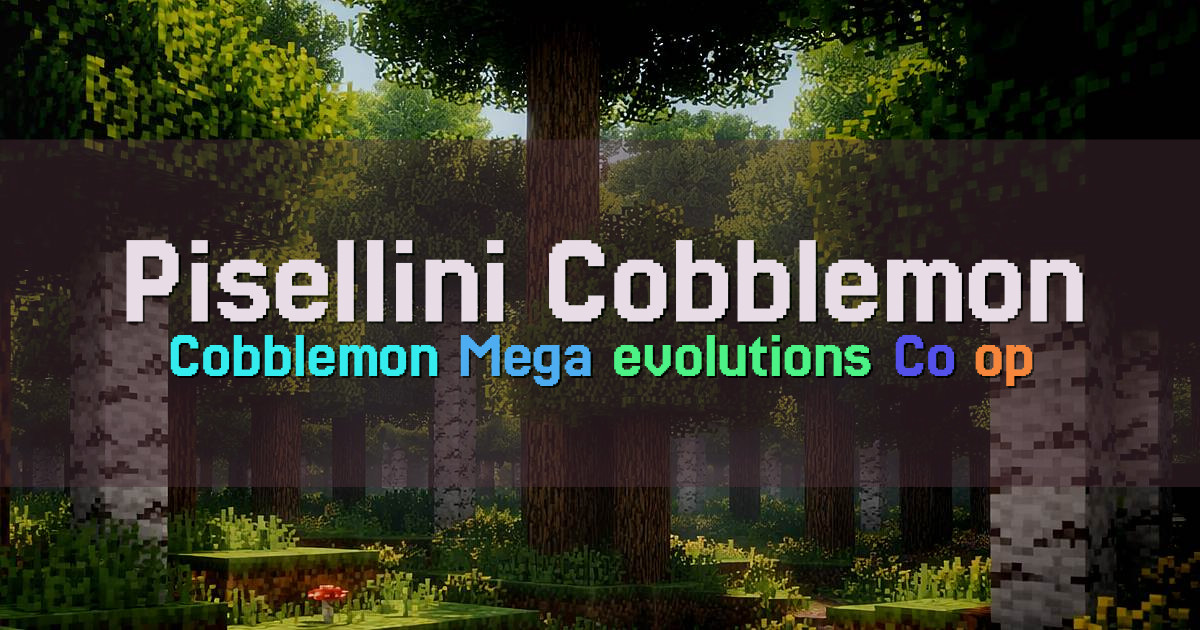 0/100OnlinePisellini Cobblemon nasce dalla passione di FariVII per unire la libertà di Minecraft alla magia dei mostriciattoli tascabili. Abbiamo costruito un’esperienza pensata per chi vuole giocare, allenarsi e condividere avventure con una communit…
 -
2b2u is a fresh Minecraft 1.21.1 vanilla anarchy server built for players who want true lawless survival. There are no land claims, no chat reports, and no protected safe areas—what you build, defend, or lose is entirely up to you. We run…