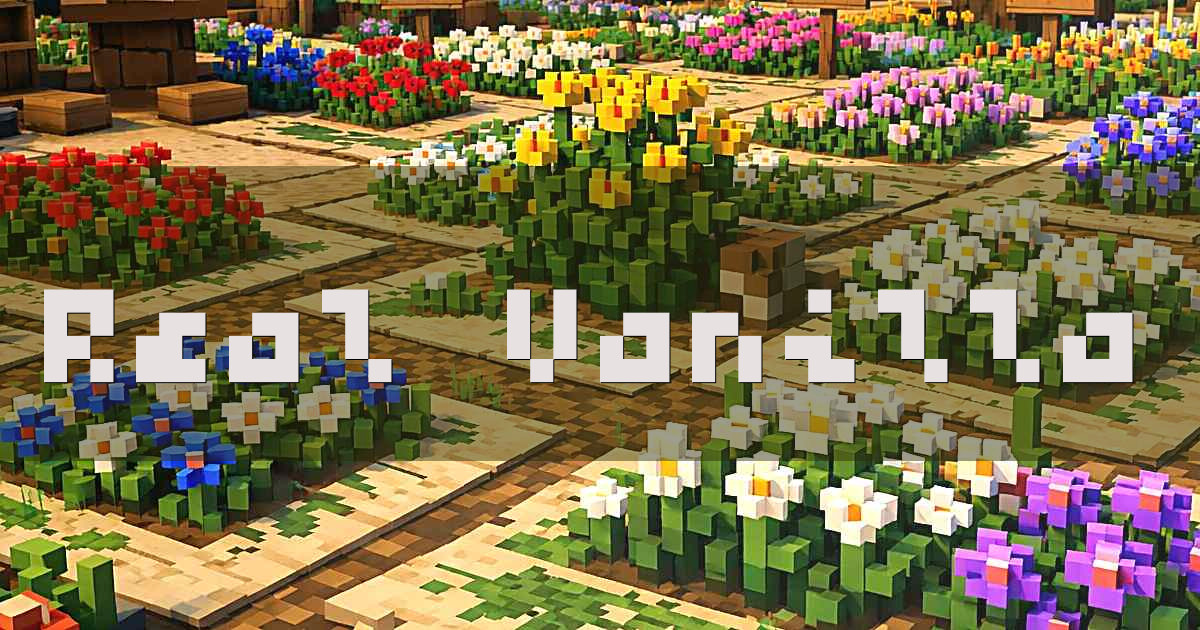
An item catalog server is built for quickly finding and inspecting Minecraft items through a structured catalog, usually a GUI menu with search and categories, sometimes a physical museum-style layout. The point is not progression. You drop in to locate the exact block, variant, or component you need and then move on to building, testing, or learning.
The loop is straightforward: open the catalog, narrow by category, then preview the real item and its variants. Good catalogs cover the annoying stuff to assemble in normal play, like armor trims, banner patterns, spawn eggs, smithing templates, potion tiers, and block variations. The best ones stay organized and responsive, and they clearly separate survival-obtainable items from operator-only curiosities so you know what you are looking at.
These servers overlap with creative utilities, but they do not feel like a generic plot world. The catalog is the main tool, so everything is tuned to reduce friction: reliable search, sensible grouping, and consistent rules for viewing versus withdrawing items. Some servers are read-only reference libraries that focus on names, IDs, and recipes; others are hands-on sandboxes where you can pull stacks to check textures, stack limits, compost chances, redstone behavior, or block updates.
In multiplayer, an item catalog becomes a shared workbench. Builders settle palette arguments by placing side-by-side samples. Technical players prototype with exact components without spending an hour farming slime or copper. Newer players use it to finally see the difference between similar sets, like stone families, coral states, or how enchantments and potion visuals actually look in-game.
Can you take items from an item catalog server, or is it view-only?
Depends on the server. Some are pure reference where you only browse and read info. Others let you withdraw items freely for prototyping. If you see instant stacks from a menu at spawn, it is usually meant for hands-on testing.
How is this different from a normal creative server?
Creative servers are about build space and permissions, like plots and worlds. Item catalog servers are about item discovery and comparison. Many include a creative area, but the catalog workflow is the feature people come for.
Do item catalogs include variants like trims, banner patterns, and potion tiers?
Strong ones do. Coverage of variants is the whole advantage, especially for sets that are tedious to collect manually, like trim combinations, banner pattern libraries, suspicious stew effects, and niche block states.
Is there any way to use an item catalog to get an advantage elsewhere?
Items do not transfer, so the practical benefit is knowledge and testing. Using a catalog to verify materials, plan builds, or sanity-check farm components is normal. Expecting to export items into another server economy is not how these work.
What makes an item catalog server actually good to use?
Fast search, clean categories, and predictable handling of variants. You should be able to find something like every wood set or every redstone component without click mazes. It also helps when the server stays current with new-version items and labels unobtainable blocks clearly.