Minewind Anarchy
Minewind is an open-ended survival world where we leave your adventure largely in your hands.
241 players online

Browse Minecraft servers related to Law Enforcement.
Law enforcement Minecraft servers usually center on playing as police officers, sheriffs, guards, or other justice-system roles in a roleplay world. Depending on the server, players may patrol towns, respond to incidents, investigate crimes, make arrests, manage prisons, or work alongside civilians and other emergency services. Some communities use custom commands, vehicles, uniforms, and scripted jobs, while others rely mainly on player-led roleplay.
The gameplay loop varies widely. A server may use written laws and a formal police department, or it may offer a looser city roleplay experience where players create scenarios themselves. PvP can be restricted, controlled by roleplay rules, or included as part of criminal and police encounters. Check the server’s rules before joining, especially for arrest procedures, weapon use, combat logging, evidence systems, and whether law enforcement roles require an application or training.
You may patrol, respond to incidents, investigate crimes, arrest players, guard facilities, or participate in structured police and civilian roleplay. Exact duties depend on the server.
Some include criminal-versus-police PvP, while others limit combat or require scenes to follow roleplay rules. Read the server’s combat and arrest policies before playing.
Usually not. Many servers also support civilian, criminal, medical, government, business, or other community roles, although some may require applications for official law enforcement positions.
Look for the required Minecraft edition and version, roleplay rules, whitelist or application requirements, voice-chat expectations, available departments, and how the server handles arrests, weapons, and disputes.
Minewind is an open-ended survival world where we leave your adventure largely in your hands.
Make your own way in McCities, a Minecraft city roleplay server where you choose how to live.
Charlie Roleplay is an Italian-language Minecraft roleplay server where you can start a new life in Fort Carson, San Andreas.
Welcome to Gemgrove, our cozy fantasy survival world built for exploration, creativity, and meaningful progression.
At Let’s Mine Reallife, we bring together city life, building, trading, and community events.
Gollicraft is a city roleplay server where you can build a life across distinct cities and regions, from Smokeport’s industrial streets to…
Welcome to Bradzo SMP, a Dutch-language Java survival server where our fresh Season 2 world gives everyone a chance to start from…
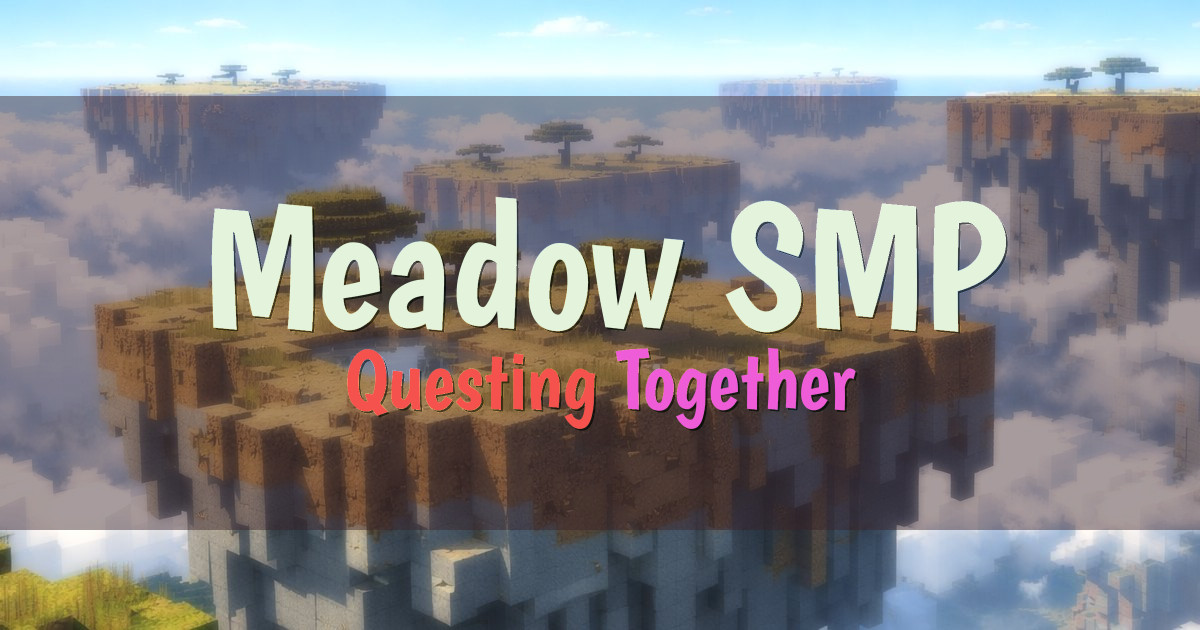
Meadow SMP is our friendly survival community for players who want to build, explore, complete quests, and grow together without losing Minecraft’s…
Poke Legends is a fully developed multiplayer Cobblemon world where we bring Pokémon collection, Minecraft survival, and competitive progression together.

Welcome to The Coil MC, our community-focused Java survival world where classic Minecraft is the starting point, not the whole story.

PirateCraft is a pirate-themed Minecraft survival world built for players who want their progress to matter.