Minewind is a survival server built around choosing your own path and hunting down powerful loot that fits your play style. Find a wide variety of gear in chests across the world, trade with villagers for emeralds, and take on dangerous mon…
Lore rich
Lore rich servers revolve around an ongoing world story you can actually affect, not just read about. The map has history, factions have motives, and server events leave visible marks. A base is still a base, but it is also a claimed place with a name, a purpose, and neighbors who respond to it like it matters.
The loop is familiar Minecraft survival: gather, build, trade, explore, gear up. The difference is that progress is framed by shared context. You mine because your town needs iron for a gatehouse. You explore because someone posted a rumor about a ruined stronghold. You can play casually, but big moves are expected to make sense in the setting.
Continuity is the point. When a war ends, borders change. When a player gets a reputation, it follows them. When a district burns in a siege, it stays burned unless the community rebuilds it. That persistence raises the stakes for diplomacy, raids, trials, alliances, and peace deals because outcomes become part of the record.
Most lore rich servers mix light in-character expectations with player-driven politics and occasional staff-run arcs. Expect town councils, treaties, propaganda builds, public trials, and scheduled conflicts where both sides show up and the result is recognized. The best stories usually come from player decisions and consequences, not a forced script.
Lore rich does not have to mean heavy roleplay, but it does mean respecting the setting and other players investment. If you like building with intention, negotiating before swinging, and letting wins and losses shape the world instead of getting wiped away, this style hits a different nerve than plain survival.
Is lore rich the same as roleplay?
No. Some servers are strict about staying in character; many are not. Lore rich mainly means the world has continuity and your actions are treated as part of a shared setting, even if you only lean into roleplay during meetings, events, or major conflicts.
Do I need to read a big backstory before joining?
Usually not. Good communities let you join as a newcomer in-world and learn through towns, landmarks, books, notice boards, and other players. Extra docs are there if you want depth, but you should be able to get oriented by playing.
What rules tend to come with lore rich servers?
Rules usually protect continuity: limits on griefing, clearer expectations around stealing and PvP, and requirements for declared wars or documented conflicts. The goal is not to remove drama, it is to keep drama readable and meaningful instead of random resets.
How do wars and server events usually work?
Often through declarations, scheduled battles, or objective-based fights so both sides can show up and the outcome can be recorded. Some servers use territory or siege plugins; others run on agreements and staff refereeing. The key is that results stick socially and on the map.
Can I play solo on a lore rich server?
Yes, but solo play tends to be more social than it looks. Lone players become known as traders, travelers, neutral crafters, hermits with a reputation, or builders of strange places that factions argue over. Groups generate more story, but a good solo presence can still matter.
-
-
2
 1090/2000OnlineBienvenido a MeeTion Network. Nos enfocamos en ofrecer una experiencia cuidada, con un diseño pensado para que jugar se sienta cómodo desde el primer momento. Puedes unirte desde Java y Bedrock, y damos soporte desde la versión 1.16 hasta l…
 -
3
 25/2026OnlineWelcome to PrismForge, a network built around nostalgia reborn. We’ve brought together many of SSundee’s classic Minecraft experiences under one roof, rebuilt from the ground up with entirely custom code and plugins. Each server is designed…
 -
4
 24/25OnlineWelcome to Survivaldub Network, a multi mode server built around Survival and PvP, with plenty to do no matter how you like to play. Jump into LifeSteal, level up with McMMO, and take on Mob Arenas when you want something more action…
 -
5
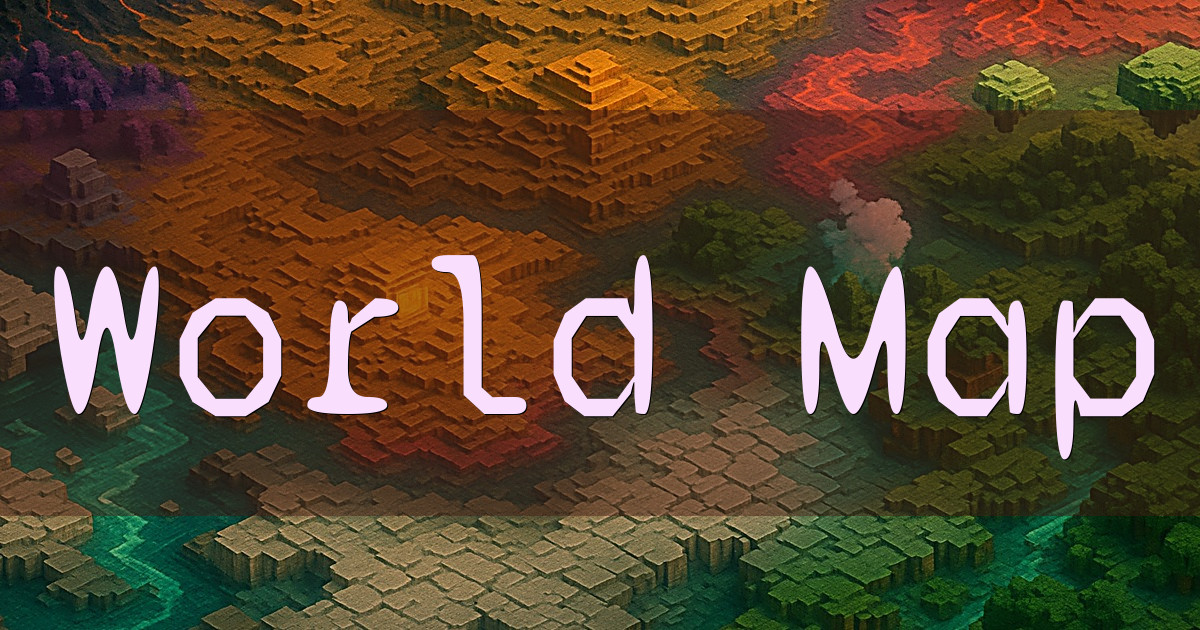 19/200OnlineRulerCraft is an Earth-based Towny server built around a full-scale world map with all continents, varied biomes, and ores. Start your own town and grow it into a nation, or join an existing group and help expand its territory and influence…
 -
6
 9/80OnlineWelcome to The Mushroom Co. Survival, a friendly small survival server run by a close knit community of helpful players and staff. Our goal is simple: provide a great survival experience while supporting different play styles. We run Factio…
 -
7
 8/99OnlineBoredomMC is a Java network for players who want fair survival and long-term worlds, with two very different survival experiences plus a parkour server. Everything is hosted in the UK, with an online-mode-only setup. Our Whitelisted SMP is…
 -
8
 5/100OnlinePrimordialMC is an MMO-style Survival server built around permanent progression. We don’t do resets or wipes, and we keep raiding off the table so the time you invest and the progress you earn stays yours. Progress through a 6-tier custom i…
 -
Welcome to AurumMC, a brand new semi-vanilla Towny Earth server for Java 1.21.11. Our standout feature is a fully custom skills system coded by our team. Level up through mining, combat, fishing and more to unlock new abilities, stats, and…
-
Welcome to Infaru, a one-nation political simulator set in a fictional, lore-rich world inspired by the 1920s. If you enjoy roleplay with structure and long-term stakes, you can take part in national politics by running in elections, writin…