Minewind is a survival server built around choosing your own path and hunting down powerful loot that fits your play style. Find a wide variety of gear in chests across the world, trade with villagers for emeralds, and take on dangerous mon…
new version
A new version server runs on a recent Minecraft release and treats it as the default, not something to backport or emulate. The draw is straightforward: you join on the current client, avoid version-mismatch friction, and play in a world designed around today’s blocks, biomes, mobs, and rules.
The feel depends on what the latest update changed. World generation shifts alter early routes and base locations. Balance tweaks to villagers, enchanting, or combat can change how fast groups gear up. New block sets expand building palettes, while subtle changes to redstone, mob behavior, and spawning can make familiar farms and infrastructure behave differently than older guides suggest.
These servers often create a frontier dynamic. Players push outward to find new structures and resources, then stitch the map together with nether hubs, ice roads, or rails once the rush settles. If the server resets around major updates, that first-week scramble is part of the format: staking a claim, scouting terrain, and setting up production before the economy and politics solidify.
The main tradeoff is timing. Staying current can mean short periods where server software, performance tooling, or quality-of-life features lag behind a release, so some communities update immediately while others wait or schedule a maintenance window. When it’s run well, the result is a contemporary survival world with fewer compatibility compromises and more room for modern building, technical play, and group progression.
Do I need the latest Minecraft client to join a new version server?
Most of the time, yes. These servers typically expect the same major version they run. Cross-version support exists on some networks, but it is not something you should assume.
Will the newest world generation and structures be available right away?
New terrain only appears in newly generated chunks. Areas the server already generated keep their older terrain, so you may need to travel beyond explored regions (or past a world border) to see the newest generation and structures.
Does a new version server always reset the world for big updates?
No. Some keep long-running maps and let new content appear farther out as players explore. Others reset, expand borders, or prune chunks so the new update is accessible without a long trek.
Are new version servers less stable right after a release?
They can be. Major updates sometimes bring temporary performance hiccups or missing integrations while server software and admin tooling catch up. Well-run servers usually communicate their update plan and may delay briefly to stay smooth.
How can I tell what a server means by new version?
Look for the exact Minecraft version it runs and its update policy. Clear listings state whether they update immediately or on a schedule, and how they introduce new terrain (resets, border expansion, or natural exploration).
-
-
2
 43/500OnlineBienvenido a Dystopia Network, un servidor en Español centrado en Cobblemon 1.7 con una experiencia survival custom y personalizada. Aquí podrás capturar Pokémon, combatir contra entrenadores NPC y enfrentarte a otros jugadores en un entorn…
 -
3
 20/200OnlineBugMC is a friendly, survival-based 1.21.11 community with a laid-back experience where you can build, explore, and play at your own pace. We offer a PvP toggle, a forgiving graves system, and land claim so you can protect what you’ve earne…
 -
4
 15/1000OnlineCrafted Survival is a semi-vanilla SMP for players who want true survival with a welcoming community and a player-driven, diamond-based economy. We’re PvE-focused with no griefing and no keep-inv, so progress matters and builds can last. Tr…
 -
Anarchyphase is an SMP built for players who want real conflict and raiding without forcing everyone to live thousands of blocks from spawn just to feel safe. You can claim chunks with simple text commands and invite others, keeping protect…
-
6
 7/200OnlineWelcome to MineMc, a classic survival server with custom features built to keep gameplay smooth, fair, and rewarding. We focus on a balanced economy and a friendly community where you can build, trade, and explore at your own pace. Whether…
 -
7
 7/69OnlineDownriver SMP is a whitelist-only, 18+ Survival SMP focused on collaboration, respect, and long-term world progression. We’re currently in Season 3 with an active world, ongoing builds, weekly events, and a community that values quality gam…
 -
8
 3/80OnlineSerendipityMC is a forever-world Survival SMP built for players who want a place to truly settle in. We do not reset the world. Your builds stay, your progress is permanent, and what you contribute to the economy continues to matter over th…
 -
Welcome to Performium, home of one of the first public Minecraft Among Us experiences built in Minecraft. Jump into rounds as a crewmate or the imposter, complete tasks, and try to outplay the other team to win. We also run additional modes…
-
10
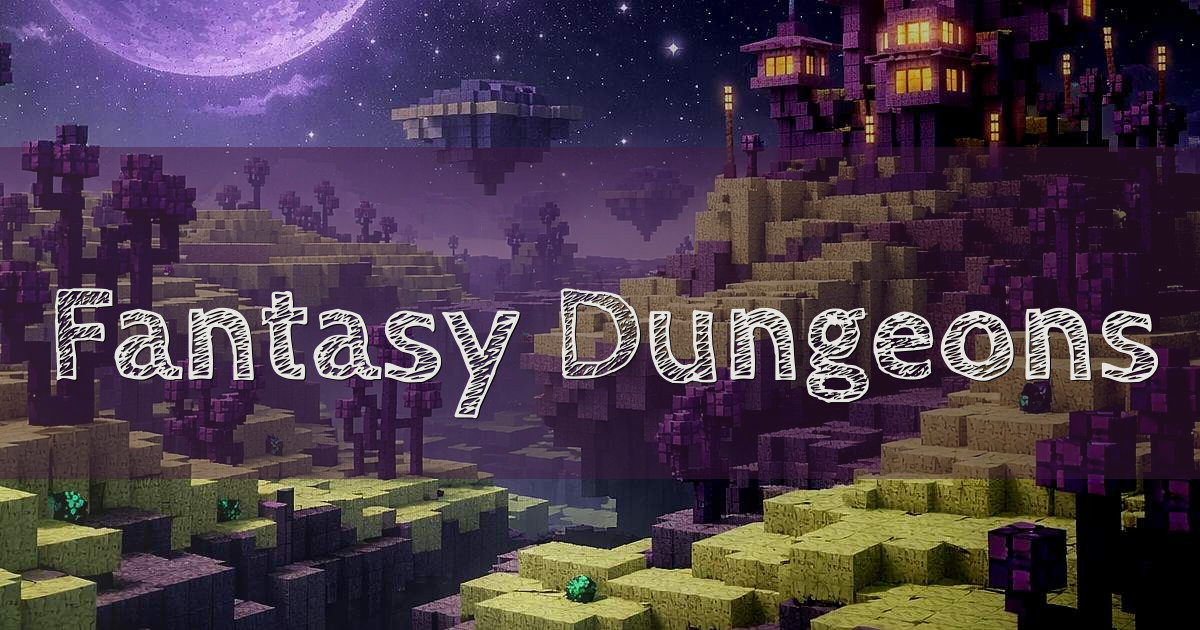 2/2500OnlineParagon Network features Core Fantasy Dungeons, a persistent progression-based survival RPG realm. Explore four interconnected worlds, level up through combat, loot, and a player-driven economy, then take on a massive 50-floor dungeon world…