Minewind is a survival server built around choosing your own path and hunting down powerful loot that fits your play style. Find a wide variety of gear in chests across the world, trade with villagers for emeralds, and take on dangerous mon…
Plotless
Plotless servers are about building in a real world, not inside a plot grid. You spawn into a normal map, roam until a spot clicks, and settle where the terrain makes sense. Bases end up on ridgelines, in valleys, along coasts, and the world grows into a lived-in landscape instead of rows of identical squares.
The gameplay loop is straightforward: explore, choose a location, gather, build, and then hold your ground through server rules and whatever protection system exists. Instead of claiming a numbered parcel at a hub, you navigate by landmarks and coordinates, carve out paths, link areas with nether tunnels, and expand naturally as your needs change. Builds sprawl, connect, and get revised over weeks because you are not designing around a fixed footprint.
Multiplayer feels different without hard borders. Finding untouched biomes matters, spacing and etiquette matter, and running into neighbors is part of the tension and the fun. Communities usually form from proximity and shared infrastructure, not because two plots happen to be adjacent. At its best, plotless feels like classic public survival: a continuous map with history and consequences.
Good plotless servers protect that freedom without turning the world into paperwork. Many use chunk claims, trust lists, container locks, and staff rollback tools; some lean more on social enforcement and active moderation. Either way, clarity is what keeps it playable: how close is too close, what counts as encroachment, and what happens to abandoned megabases.
Is plotless basically the same as vanilla survival?
It can be, but it does not have to be. Plotless describes land use, not the full ruleset. The defining point is that you build directly in the world without a plot grid or dedicated plotworld.
How do people protect bases on plotless servers?
Commonly through chunk claims and trust systems, sometimes paired with chest or door locks. On stricter servers, staff rollback covers grief. On more community-run servers, protection depends more on rules, reputation, and enforcement.
What is normal spacing etiquette in a plotless world?
Do not build within view of another base unless you have permission, and leave room for someone to expand. If you want neighbors, treat it like joining a town or a shared area: ask first, agree on boundaries, and connect with roads rather than squeezing in.
Do plotless servers still have towns, shops, or an economy?
Often. Towns fit naturally because streets and districts can follow the terrain. Trade tends to be player-built: spawn markets, roadside shops, and nether-linked trading halls.
What makes a plotless server worth sticking with long term?
Clear rules around claiming and proximity, consistent handling of grief and disputes, and a policy for inactivity that prevents abandoned claims from freezing the map forever. Also check whether the world is large enough to keep exploration and new settlement viable.
-
-
2
 22/1000OnlineO SharkCraft é um servidor Survival brasileiro com suporte para Java e Bedrock (cross-play), feito para quem curte evoluir no progresso, explorar e ter objetivos de longo prazo. Aqui você encontra dungeons no estilo RPG com mobs totalmente…
 -
3
 19/125OnlineExeosCraft is a long-term Survival SMP for players who want a stable place to call home. Our world is permanent and we do not reset the map, so your builds and progress are made to last. We run a no-grief environment with…
 -
4
 7/69OnlineWelcome to the original Bloom SMP. We run a Survival SMP focused on keeping the experience friendly, fair, and fun for everyone. We support cross-play and use gameplay-enhancing plugins while staying unmodded. Anti-griefing measures are in…
 -
Bienvenido a PlatiumCraft Pixelmon 1.21.1, un servidor donde Pokémon y Minecraft se combinan para crear una aventura completa, con una comunidad amigable y eventos frecuentes. Aquí puedes construir y jugar con tranquilidad gracias a nuestro…
-
6
 5/500OnlineWelcome to Cobblemon PBG, where the classic Pokémon journey meets Minecraft creativity. Whether you love competitive battling, cozy building, exploring, or breeding, we aim to offer a place that supports your playstyle. Our main world is a…
 -
7
 2/2025OnlineWelcome to Lethium Network, a multi-mode server built around a friendly Romanian and English speaking community. If you enjoy progression and tech-style survival, Survival Gods is our Slimefun experience with 30+ addons. For a different pac…
 -
8
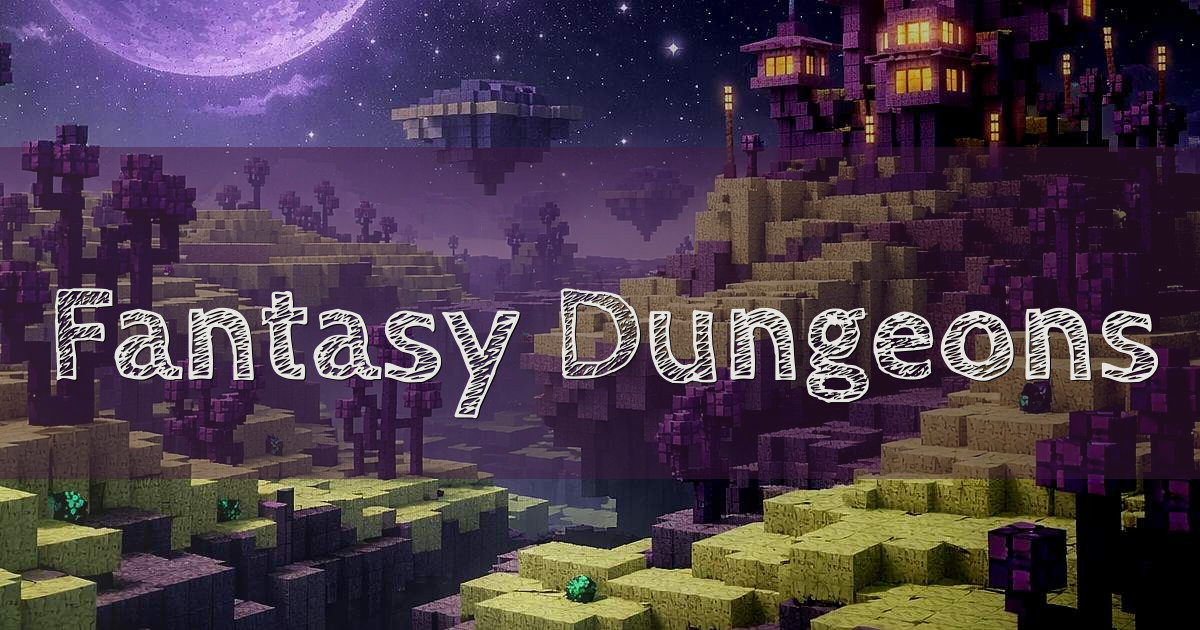 2/2500OnlineParagon Network features Core Fantasy Dungeons, a persistent progression-based survival RPG realm. Explore four interconnected worlds, level up through combat, loot, and a player-driven economy, then take on a massive 50-floor dungeon world…
 -
BetterSMP launched on March 29, and the world is still in that early stage where the economy is fresh and there is real room to build up, trade, and make a name for yourself. We focus on survival with a player-driven economy…
-
Welcome to MyChunk, a dedicated creative sandbox server built for builders who want a stable, professional place to design and build. WorldEdit is available for everyone from the start, so you can work efficiently without paywalls getting i…