Minewind Anarchy
Minewind is an open-ended survival world where we leave your adventure largely in your hands.
210 players online

Browse Minecraft servers related to Portals.
Portals servers make travel part of the game. Instead of long walks or a single warp hub, the server revolves around gateways that move players between bases, regions, worlds, or custom instances. Because movement funnels through specific entrances and exits, routes matter, chokepoints appear, and the map feels connected rather than scattered.
The usual loop is: build a home, link it into the network, then use portals to reach resources, towns, dungeons, events, or markets. Players invest in infrastructure as much as gear, with portal rooms, Nether corridors, signage, and public nodes that turn into meeting points. Access becomes social and political: who can use a gate, what it costs, and who defends it.
Rules decide the flavor, not the identity. Survival-leaning setups often center on Nether linking and coordinate planning, which naturally creates trade routes and raiding lanes. Curated networks use portals as routing between themed worlds or progression zones with requirements. In both cases, portals create hotspots where you recognize familiar names and learn which junctions are safe.
Good portals gameplay keeps some friction without turning travel into a chore. Costs, cooldowns, permissions, distance scaling, item limits, or PvP pressure near exits prevent the network from becoming instant teleport everywhere. When tuned well, portals stay fast while still creating decisions, risk, and dependence on the network.
Warps and teleports erase distance. Portals keep distance as a network problem: you travel through shared entry and exit points. That funneling creates routes, public hubs, and control over access, which changes PvP, trade, and how people encounter each other.
Either. Some servers let the network emerge from survival play with Nether portals and linking rules. Others provide fixed gates to worlds, arenas, dungeons, or towns. Many of the best setups combine both: server portals define the main lanes, while players build the local connections.
Exits are predictable pressure points. Popular nodes get trapped, camped, claimed, or watched, and servers often add rules about exit safety or short spawn protection. If PvP is on, assume traffic is monitored and bring blocks, food, and a quick plan to disengage.
They concentrate commerce around well-connected hubs and make convenience valuable. Remote areas become niche suppliers, while players who build or control key links can influence traffic and prices, even if there are no formal tolls.
On organized servers, portals are labeled, protected, and documented with maps, books, or markers. On looser servers, broken links and unsafe exits are part of the risk. Carrying obsidian and a flint and steel is a common habit so you can make a return route.
Minewind is an open-ended survival world where we leave your adventure largely in your hands.
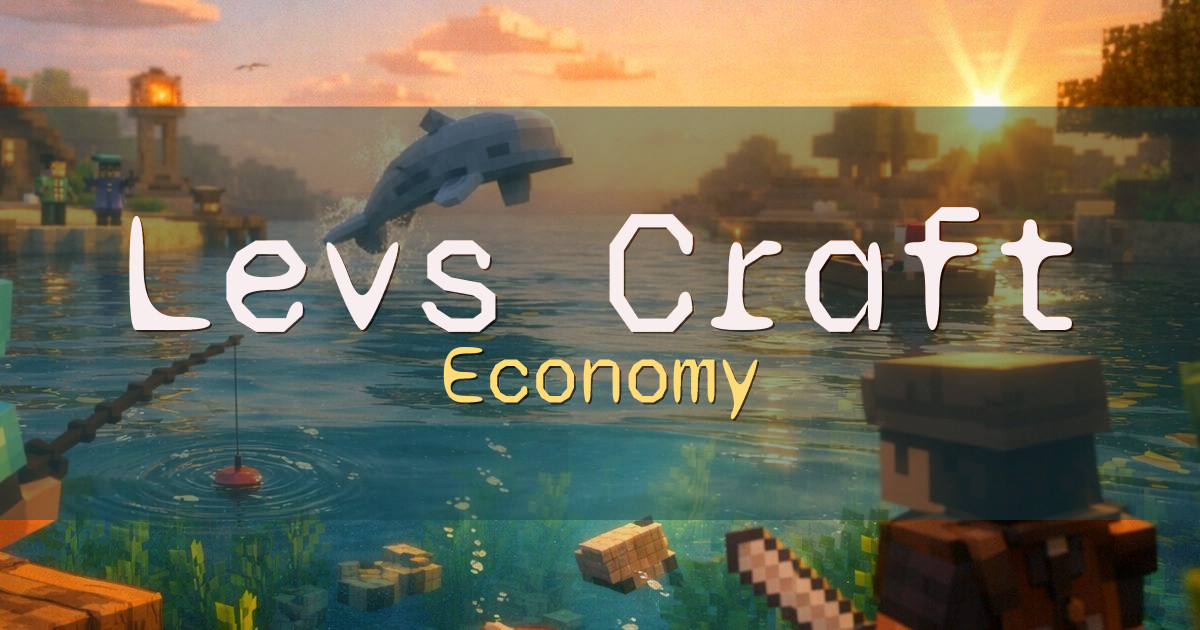
Levs Craft brings together SkyWars, PvP, and economy features on a server listed for Minecraft 1.7.2.
Nzgul Network brings competitive games and community survival together under one roof.
At Worldcraft, we bring survival and community roleplay together with civilization-building.
Aemine Craft brings several ways to play together in one Vietnamese Minecraft network.
MineSerwer.pl brings several Minecraft modes together in one network.
FearGames is an Italian Minecraft network where you can choose the kind of adventure you want.

Rooted Realm is a whitelisted Java survival server for adults who want a friendly community and a world they can build in…
At CraftMC.LT, we bring survival, faction competition, PvP, and SkyWars together in one Lithuanian Minecraft community.
Welcome to Seiky Network, we bring several Minecraft experiences together in one place.
At Rede CraftSGP, we bring a varied lineup of Minecraft modes together in one network.