Minewind is a survival server built around choosing your own path and hunting down powerful loot that fits your play style. Find a wide variety of gear in chests across the world, trade with villagers for emeralds, and take on dangerous mon…
Religions
Religions servers treat belief systems as playable institutions that shape law, identity, and conflict. Instead of everyone existing as a loose faction or solo survivor, players join or found faiths with leaders, codes, sacred sites, holidays, and taboos. The focus is not real-world theology. It is how a shared doctrine turns into trust, authority, and reasons to cooperate or clash.
The loop is simple and social: pick a faith, take a role, and participate. That can look like building temples and shrines, organizing festivals and funerals, collecting tithes for public projects, or acting as a mediator when disputes threaten a town. On many servers, influence comes from showing up and being useful. A priest who keeps people aligned and active can matter as much as a geared fighter.
What makes the format work is enforcement and consequence. Norms are policed by players and sometimes reinforced by mechanics. A city might restrict certain enchantments as heretical, require oaths before membership, or treat specific biomes and structures as sacred and off-limits. Conflict tends to be goal-driven rather than random KOS: relic theft, conversions, pilgrim protection, holy land control, and retaliation for broken taboos. Even small acts like banners, monuments, and rites carry weight because the server agrees they mean something.
Expect negotiation and power struggles. Leaders compete for legitimacy, congregations split, and alliances form around doctrine or shared enemies. Some servers keep it mostly narrative; others treat it as a strategy layer where blessings, relics, and territory create incentives. At its best, it feels like a living, player-run institution: practical, political, and occasionally messy.
Is this strictly roleplay, or can it be played competitively?
Both show up. RP-first servers emphasize ceremonies, diplomacy, and consistent character behavior. More competitive worlds use religions as political blocs with territory goals, relic objectives, and sometimes buffs or permissions that make membership matter in fights and resource control.
How do players usually join a religion?
Common entry points are a short application, an in-game oath, or an initiation event. Many groups ask members to follow a code, use shared symbols like banner patterns or colors, and respect holy sites. Some servers allow new faiths if you can recruit and sustain activity.
What mechanics are commonly tied to religions?
Often it is light-touch: temple claims, altar interactions that grant timed buffs, relic items with effects while carried, or blessing and curse commands with cooldowns. Some servers keep it entirely social and rely on rules, courts, and player governance for enforcement.
Can I play as a non-believer or outsider?
Usually yes. Outsiders often thrive as traders, mercenaries, investigators, or diplomats who move between faiths without swearing loyalty. If religions dominate lawmaking, staying unaffiliated can limit access to land, protection, or politics, which is part of the tension.
What keeps it from feeling forced?
Clear boundaries and real stakes. The best servers do not rely on mandatory sermons; they reward visible actions like building, charity, protection, and diplomacy, and they let leadership be challenged. When sacred sites are respected, relics are contested, and rules are applied consistently, the format feels natural.
-
-
2
 158/2026OnlineNetherite is a Minecraft network built around three core ways to play: Lifesteal, Survival, and Skyblock. Whether you want competitive PvP with real stakes or a more classic survival pace, you can pick the mode that fits and settle in. We f…
 -
3
 152/300OnlineWelcome to ZedarMC, a friendly crossplay Minecraft network with Bedrock Edition support. We focus on a relaxed, community-first experience, with staff available when you need help. With a mix of peaceful and competitive options, you can fin…
 -
4
 19/69OnlineWelcome to Mc Bunny. We run a variety of game modes in one place, including Cobblemon, OneBlock, Survival, KitPvP, Parkour, and mini games. Our network focuses on vanilla-style gameplay on the latest Minecraft version, while also supporting…
 -
Chào mừng bạn đến với Mine67, một server Survival tiếng Việt tập trung vào trải nghiệm PvE và chơi cùng cộng đồng. Tại đây bạn có thể khám phá hệ thống enchantment, tham gia đánh boss, vượt dungeon, và hòa mình vào…
-
6
 8/50OnlineExandria MC is an Australian (Brisbane) survival server we started with a simple goal: make a world that feels alive. We’re building around ongoing lore, recurring NPCs, and custom questlines that are designed to feel like part of the world…
 -
7
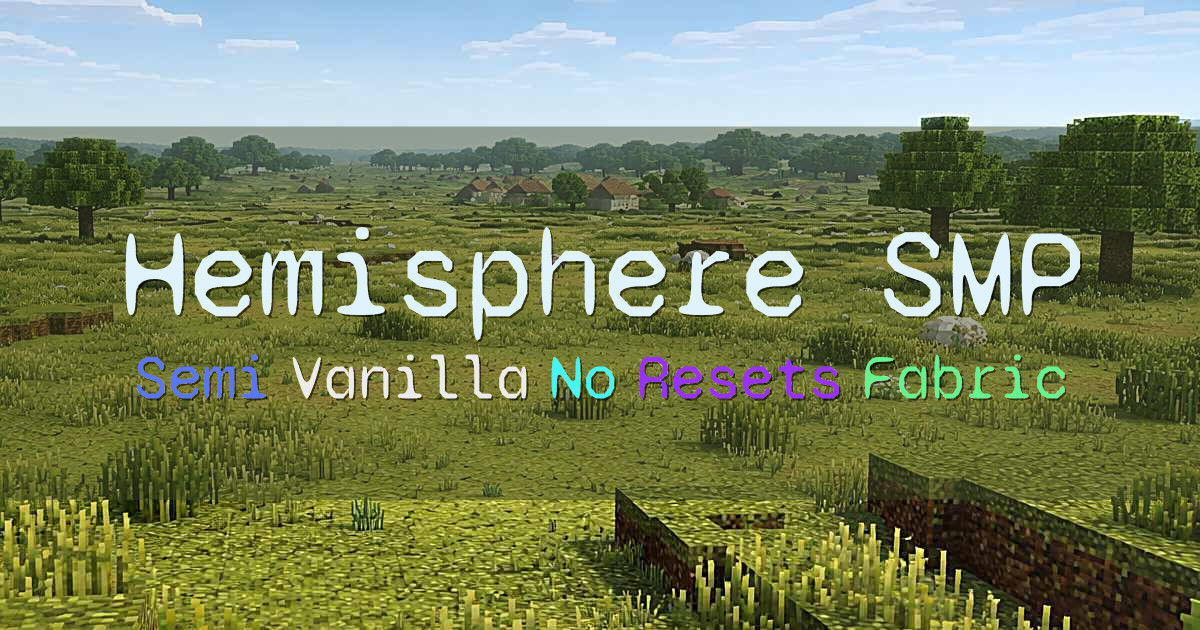 6/420OnlineHemisphere SMP is a Hermitcraft-inspired, vanilla-faithful survival server built to last. We’ve been playing in the same world for a decade with zero resets, and the map’s history is something you can feel in every district and long-term bu…
 -
8
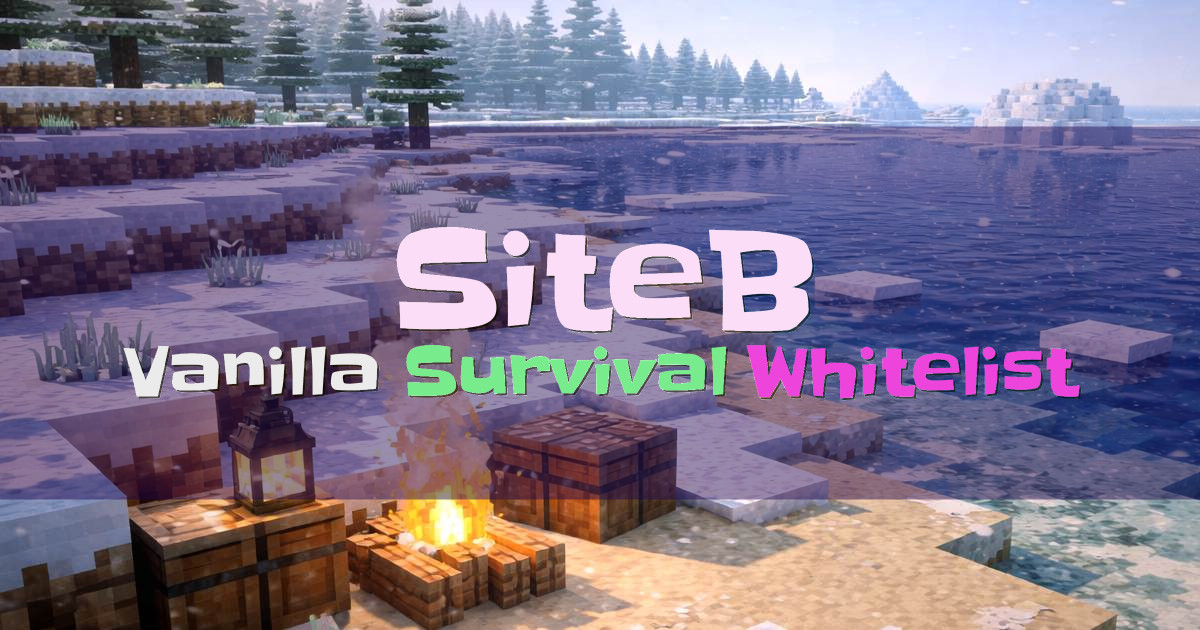 6/150OnlineSiteB is a vanilla 1.21 survival SMP for adults who want a relaxed, mature place to play. We keep things simple and classic, with a small, friendly community and a HermitCraft-like feel where people can build, share, and explore together. O…
 -
The Anchor is a Survival SMP built around a simple goal: a community that’s listened to, with server changes vetted through player feedback so progress-impacting reworks are handled carefully. We support crossplay for both Java and Bedrock…
-
10
 2/300OnlineMega Craft is a network with three distinct servers: Main, Bending, and Creative. Each one offers a different style of play, with custom features designed to change up the usual Minecraft experience. On our Main server, you can customize yo…