Minewind is a survival server built around choosing your own path and hunting down powerful loot that fits your play style. Find a wide variety of gear in chests across the world, trade with villagers for emeralds, and take on dangerous mon…
Scheduled raids
Scheduled raids gate base attacks to specific windows. Outside those hours, claims are usually protected from explosions and block breaking, so building, farming, and trading can happen without the constant fear of waking up wiped. When the window starts, the server flips into a short, intense phase where both sides are expected to be online and ready.
The gameplay leans into planning over opportunism. Teams scout, stage gear, and assign jobs: someone runs intel, someone handles breach tools, someone watches for counters, someone patches. Defense matters because it gets tested in real time, with defenders actively repairing, rotating resources, and trying to deny entry instead of just logging in to damage already done.
The best scheduled-raid rulesets create a clean rhythm: prepare safely, clash hard on the timer, then recover. Balance lives in the details. Defenders need time to respond without making every base untouchable, and raiders need viable breach options without turning one mistake into instant deletion. When that balance lands, rivalries get sharper and raids feel like set-piece battles rather than random grief.
What is usually blocked outside the raid window?
Typically anything that would meaningfully damage claims: TNT, creeper damage, withers, and block breaking in protected areas. Many servers still allow normal world PvP and travel, but your claimed base is meant to be maintainable between raid times.
How long are raid windows and when do they happen?
Most servers run fixed evening windows on weekdays, longer windows on weekends, or both. Expect a few hours at a time rather than all-day raiding, with the exact schedule tuned to the server time zone.
Does this fully remove offline raiding?
It removes most of it by design, but not always all pressure. Some servers still allow scouting, trapping outside claims, or hitting unclaimed parts of a build. The key promise is that real base breaking is tied to the schedule.
What do players actually do during the raid window?
Recon first, then commit: test walls, find weak angles, and attempt a breach using whatever the ruleset supports, like cannons, explosives, withers, trenching, or coordinated pushes. Defenders counter by patching, controlling choke points, forcing resource burn, and punishing overextends.
Who benefits more, small groups or large factions?
Organization wins more than raw hours. Small groups can compete by showing up consistently and building defenses that are fast to repair. Larger factions gain from deeper rosters and logistics, especially on servers with limited ally counts or caps on how many can fight inside a claim.
-
-
2
 23/100OnlineJust Another Hardcore is a mostly vanilla server built around one rule: you get one life. Death is permanent with no revives, so every trip out of spawn and every fight has real consequences. The map will never reset. What you build…
 -
3
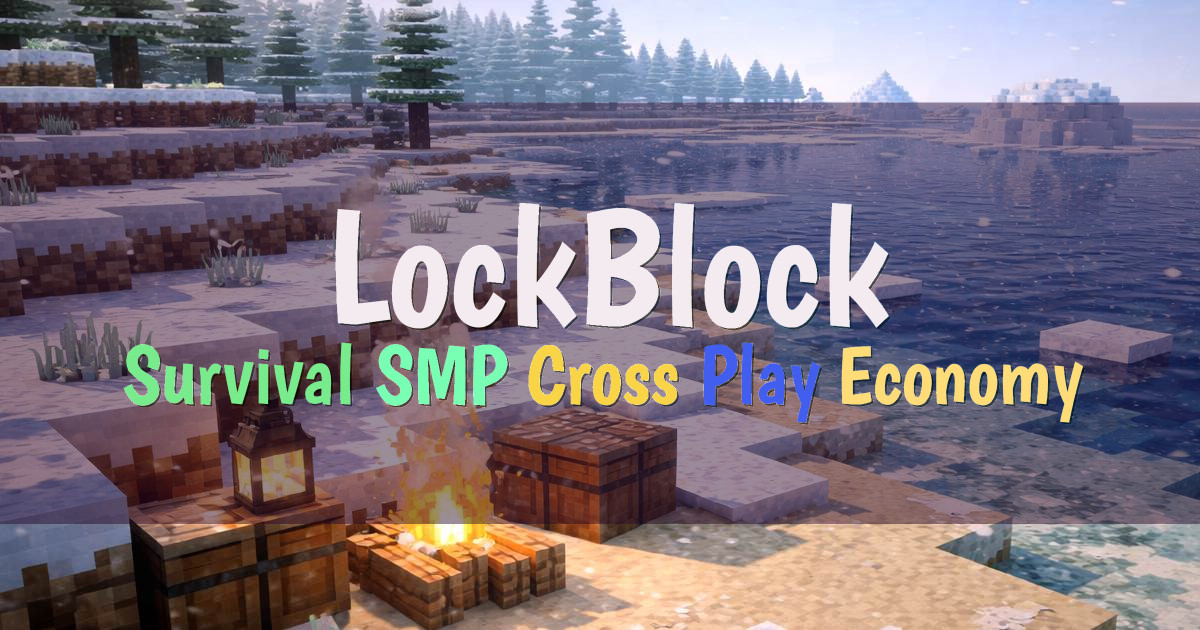 10/500OnlineLockBlock is a fun and creative Survival SMP server with YouTuber involvement and a small, friendly community. The server is based around the YouTuber LockDownLife and his friends. Enjoy a mostly vanilla survival experience with optional Pv…
 -
4
 7/80OnlineBienvenidos a WalkingPlayers. Nuestro objetivo es ofrecer un servidor donde la diversión y la comunidad vayan de la mano, con una experiencia completa para quienes quieren tener siempre algo nuevo que hacer. Aquí encontrarás misiones person…
 -
Cobblemon Unbound is a lightweight, high performance Cobblemon server built for trainers who want smooth gameplay, fast progression, and plenty to do without extra bloat. Take on gyms and raids, join in outbreaks, and hunt down bounties as…
-
6
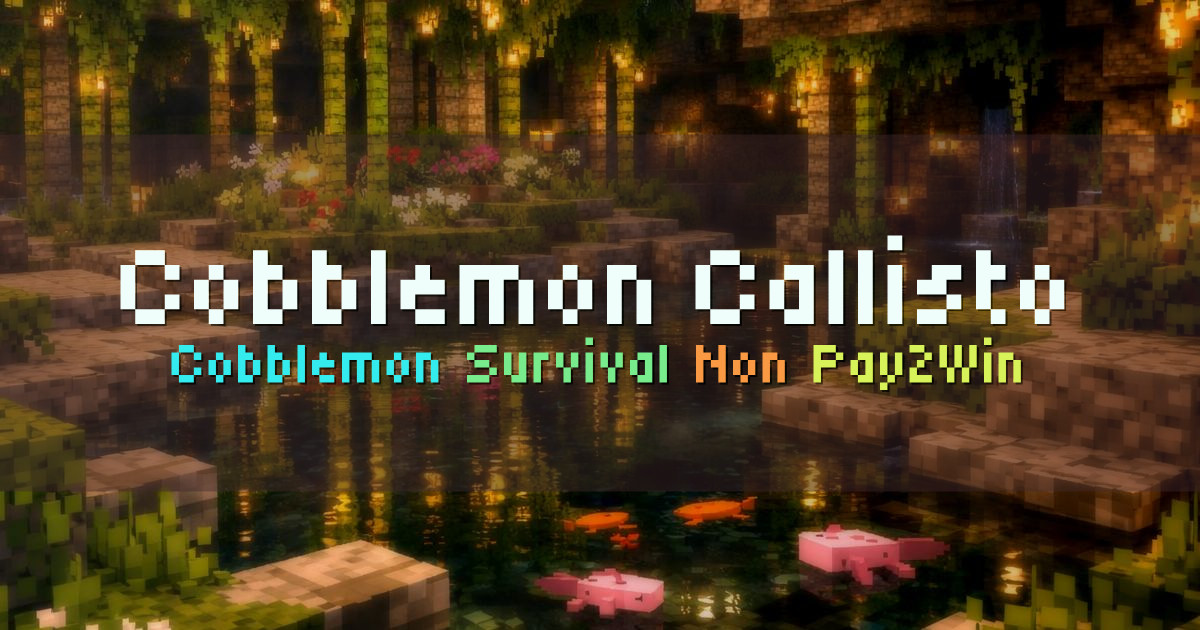 6/100OnlineWelcome to Cobblemon Callisto, a Non-Pay2Win survival server built from the ground up for a long-term, community-focused Pokémon adventure. Our main worlds are designed to last with no planned wipes, and we’re building Callisto with plenty…
 -
Anarchyphase is an SMP built for players who want real conflict and raiding without forcing everyone to live thousands of blocks from spawn just to feel safe. You can claim chunks with simple text commands and invite others, keeping protect…
-
8
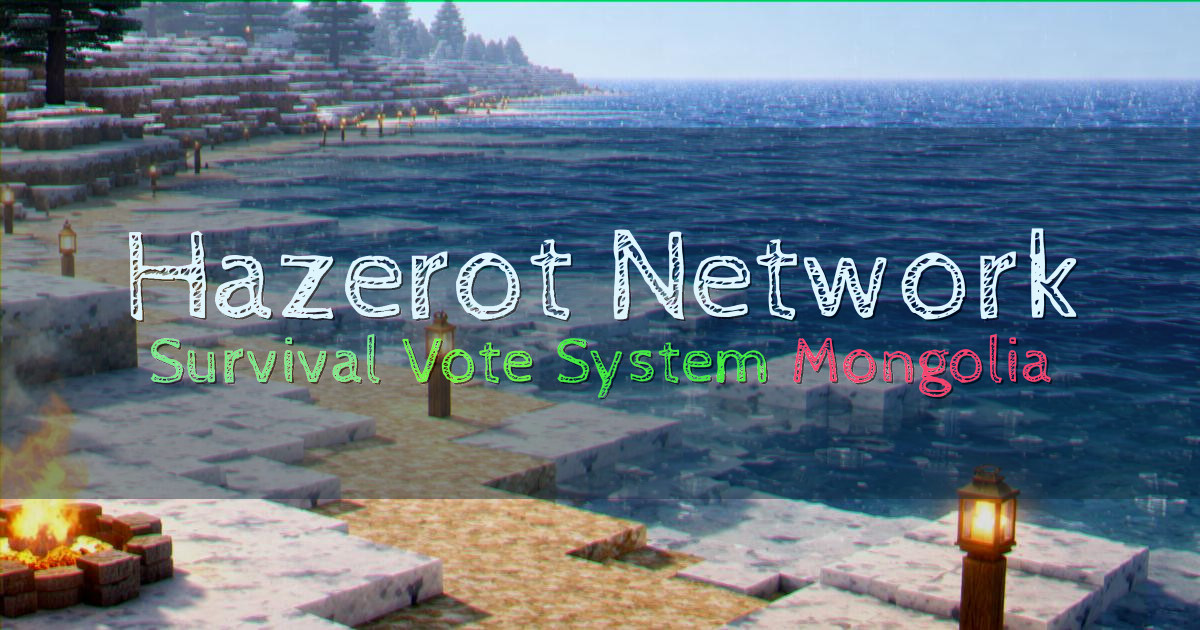 4/2026OnlineHazerot Network is a long-running server community that previously operated under the name Exocraft, now returning with a fresh name and new look. We’re starting with Survival on Minecraft 1.21, and we’re known for being the first Minecraft…
 -
9
 2/60OnlineCosmopolitan Club is a simple survival server made for girls by girls, with gameplay that stays close to vanilla. We keep things straightforward while adding a few quality-of-life features like setting homes, teleporting to other players, a…
 -
Bine ai venit pe AsyGames, un server Minecraft facut pentru jucatori care vor o experienta relaxata, clara si fara drama. Ne-am propus un loc unde joaca e luata in serios, dar atmosfera ramane prietenoasa. Pe server gasesti BoxPvP pentru du…