Minewind is a survival server built around choosing your own path and hunting down powerful loot that fits your play style. Find a wide variety of gear in chests across the world, trade with villagers for emeralds, and take on dangerous mon…
smp server
An SMP server is survival Minecraft in a persistent world shared with other players. You still chop wood, gear up, and build, but you do it in a place that other people are also shaping. Progress sticks, locations matter, and your name starts to mean something. The cave you mine today might be someone else’s tunnel tomorrow, and the village near spawn can turn into a market, a border, or a problem.
Most SMPs are built around long-running worlds and player-made goals. Starter shacks become bases and districts. Nether highways and portals connect regions. Shops sell rockets, shulker boxes, and netherite. Community moments like first End fights or a spawn town give the server a timeline. The pace is slower than minigames because the point is the climb from early survival to infrastructure: farms, enchantments, villager trading, beacon mining, then big builds that only make sense when the world has history.
Rules set the tone. Some SMP servers are cooperative with claims, clear boundaries, and a focus on building and trading. Others lean looser, where theft, raiding, or open PvP create real politics and make defense and alliances part of survival. Even on friendly servers, etiquette matters: how close you build, what you take, and whether you leave shared resources alone. The common thread is survival progression mixed with ongoing relationships, where other players feel like part of the terrain.
Is an SMP server just vanilla survival multiplayer?
It usually starts from vanilla survival rules, but the defining trait is a persistent shared world with a community. Many SMPs stay close to vanilla and add only practical tools like claims, chat features, or light moderation to keep the world playable long-term.
Do SMP servers allow PvP and raiding?
Some are consent-only or PvP-off to keep building and trading relaxed. Others allow open PvP, theft, and raids, which shifts the focus toward base security, alliances, and server politics. Always check the rules before you assume what’s fair game.
What does the typical SMP progression look like?
Early game is shelter, food, iron, and a safe spot. Midgame becomes farms, enchants, and villager trading. Late game is infrastructure and scale: nether hubs, elytra travel, beacon mining, storage systems, and long projects that benefit from a stable world.
How do SMP servers prevent griefing?
Stricter SMPs use claims, rollbacks, and clear enforcement. Trust-based SMPs may rely more on reputation and admin intervention. In looser servers, griefing and theft might be allowed or partially allowed, so protection is on you.
Do SMP servers reset their worlds?
Many try to avoid frequent resets so builds and economies can mature. Resets still happen for major version changes or to refresh exploration. A common compromise is keeping the main world while periodically resetting a separate resource world.
What should I do first when joining a new SMP server?
Get stable basics fast: food, bed, tools, and a safe temporary base. Then learn the local expectations around land, farms, and spawn resources. Introducing yourself and asking where to build saves you from accidental conflicts.
-
-
2
 22/100OnlineEn Hyzone nos enfocamos en una experiencia Survival equilibrada, pensada para que puedas avanzar a tu ritmo sin preocuparte por tus construcciones. Buscamos mantener el desafío del survival clásico, pero con la tranquilidad de un sistema de…
 -
3
 10/35OnlineHardcore SMP is a hardcore survival multiplayer server for both Java Edition and Bedrock Edition. We keep the experience grounded in vanilla-style gameplay: no pay to win, no world resets, and no teleporting to other players. Progression is…
 -
4
 8/10OnlineMalgazar is a semi-vanilla Minecraft server for players who want a classic survival experience and a friendly, active community. We keep gameplay close to vanilla, with a few quality of life additions: Proximity Chat, VeinMiner, and McMMO…
 -
5
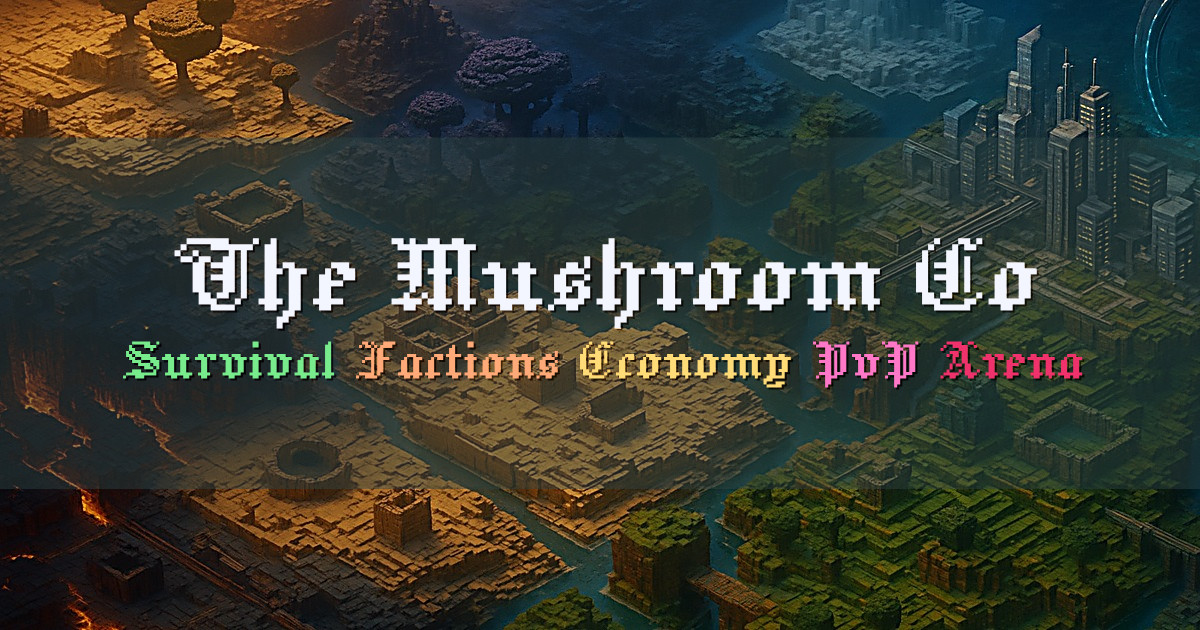 7/80OnlineWelcome to The Mushroom Co. Survival, a friendly small survival server run by a close knit community of helpful players and staff. Our goal is simple: provide a great survival experience while supporting different play styles. We run Factio…
 -
UltraSMP is a public SMP focused on survival with PvP, raiding, and the freedom for players to defend their bases or take risks. If you enjoy competitive survival where stealing and raids can happen, you’ll fit right in. We run extremely cu…
-
GoldenSurvival is a true vanilla limited-lives SMP with minimal plugins, no ranks, and no pay to win. No tpa or sethome either, just vanilla Minecraft. The server runs in hardcore mode. On death, you’ll be temporarily banned until you run o…
-
CryoMC is a brand new community-driven Survival SMP built for players who want a relaxed, no-grief experience with an economy at the center of it. We support both Java and Bedrock, and we aim to keep the gameplay feeling like Minecraft whil…
-
Romarchive is pure vanilla survival Minecraft. No mods, no plugins, and no pay to win. We keep it simple: you, your tools, and the world as Minecraft intended. There’s no private territory system, and our only rule is no server interference…
-
Willkommen auf dem CraftAttack 13 Community Server. Unser Ziel ist es, das CraftAttack-Feeling aus YouTube und Twitch für alle zugänglich zu machen und dabei ein entspanntes, gemeinschaftliches Survival-Erlebnis zu bieten. Bei uns steht Van…