Minewind Anarchy
Minewind is an open-ended survival world where we leave your adventure largely in your hands.
230 players online

Browse Minecraft servers related to String Duping.
String duping refers to Minecraft duplication glitches that generate string without gathering the normal materials. The exact method depends on the Minecraft version and server software, and many servers patch or disable it. A server listing associated with string duping may therefore indicate an exploit-friendly survival environment, an anarchy server, or a technical community discussing resource automation and duplication mechanics.
On servers where string duping is allowed, players may use the material for wool, scaffolding, bows, fishing rods, leads, and other crafting needs. It can affect economies, mob farms, and progression by making a normally farmable resource much easier to obtain. Rules matter: some communities permit duping only for certain items, while others treat any duplication glitch as bannable. Check the server’s current policy and supported version before joining.
It means using a duplication glitch to produce extra string instead of collecting it through drops, cobwebs, or normal farms. The available method varies by version and server software.
Some anarchy and exploit-friendly servers allow it, while most survival servers patch the relevant glitch or prohibit it. Always read the current rules before using a duper.
String supports several useful crafts and farms, including wool, scaffolding, bows, leads, and fishing rods. Duplication can reduce gathering time and change the server economy.
No. Server software, version updates, anti-dupe patches, and configuration changes can prevent it from working, even when the same method works in single-player or another server.
Minewind is an open-ended survival world where we leave your adventure largely in your hands.
VanliteSMP is a long-term Vanilla Plus survival world for players who like gathering resources, grinding, PvP, and building on a large scale.
At DaAnarchy, we keep survival close to vanilla and leave the world in players’ hands.
At NovaTek SMP Technical, we bring technical Minecraft players and casual builders together in an international community with a mostly vanilla feel…
Oria SMP is our whitelisted Java survival server for players who want a close-to-vanilla world and a steady community.
DupeMC has been running since February 2019, bringing competitive Factions, KitPvP, PvP, and Skyblock together on one network.
HomesteadCraft is our adult-only 21+ Java SMP for players who want calm, long-term survival without forced playtime or constant resets.
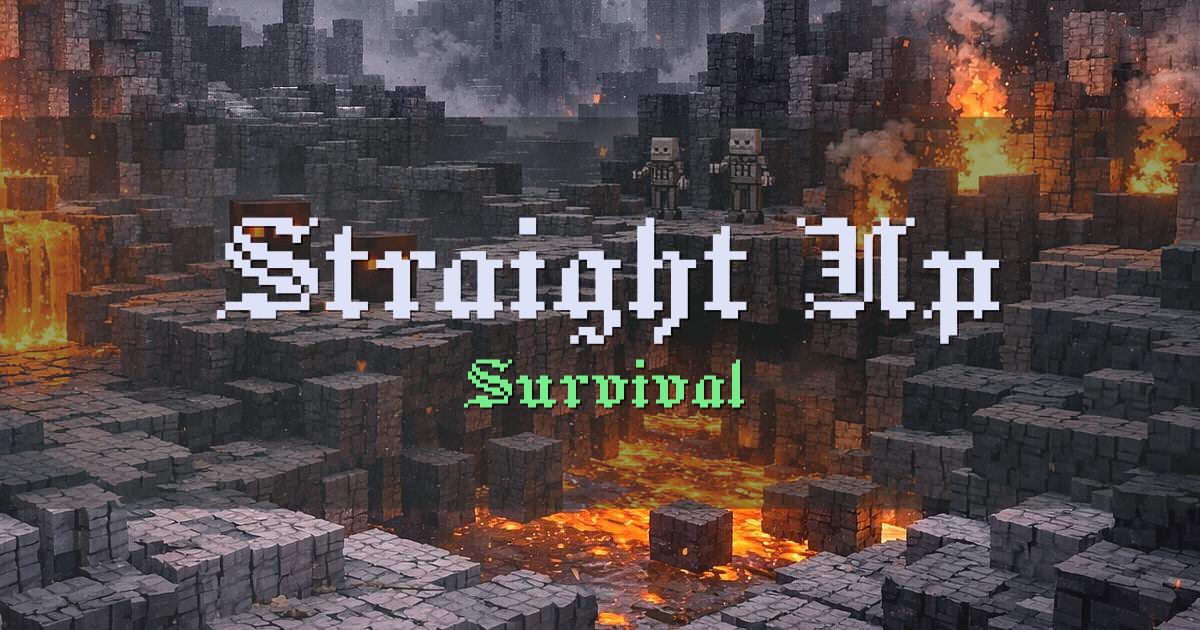
Straight Up is a long-running vanilla Minecraft SMP built on one persistent world.
Fewer Network gives Minecraft players two distinct ways to play: high-stakes Lifesteal combat and a protected Survival SMP.

The AfterHours SMP turns survival into a lasting war between three player nations.