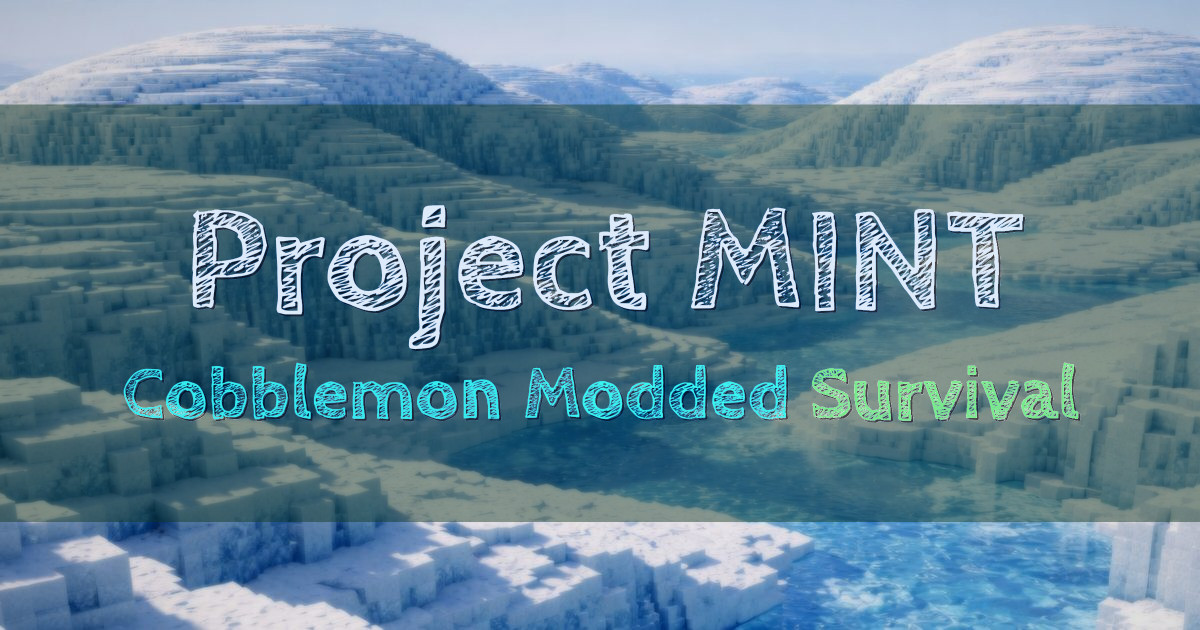
An amplified world server uses Minecraft amplified terrain generation: huge elevation swings, steep ridgelines, deep cuts, and overhangs you rarely see in normal worldgen. The defining feel is vertical. Movement is slower and more intentional, sightlines are dramatic, and a biome border can turn into a wall or a drop in a few blocks.
The core loop is still survival or SMP, but the terrain changes what matters first. Early game is about a safe foothold, reliable food, and a route home that does not end in fall damage. With so much exposed stone, you often mine opportunistically from cliff faces, ravines, and slopes instead of settling into long, flat branches. Building leans hard on access: scaffolding, ladders, water buckets, and solid paths come before aesthetics, then you graduate into cliff bases, bridge networks, and towers that actually function as navigation.
Exploration plays like an expedition. Landmarks are easy to spot and hard to reach, so you end up switchbacking, boating around cuts, or punching a tunnel through the ridge instead of trying to climb it. Horses suffer on sharp terrain, while elytra becomes the quality-of-life unlock that turns the map from exhausting to freeing once you have rockets and launch points.
In multiplayer, amplified worlds reward infrastructure builders. Nether hubs, named passes, rails or ice roads, and well-lit cliff routes are shared progress because travel is the main bottleneck. If PvP is enabled, height and choke points matter more, and bases buried into sheer rock are naturally defensible. Even on friendly servers, the quiet flex is taking a location that looks unlivable and making it practical.
Is an amplified world actually harder, or just more dramatic?
Mostly more demanding. The terrain adds constant fall risk, awkward night escapes, and more blind angles for mobs. Once you have gear and established routes, it settles down, but travel and building stay higher-effort than on flat land.
What kind of builds fit amplified terrain best?
Anything that uses height instead of fighting it: cliffside bases, canyon bridges, terraced farms, hanging paths, towers, and carved entrances that use natural cave mouths and overhangs. If you want a giant flat platform, plan on serious terraforming.
Are ores and resources different in amplified worlds?
The big change is exposure, not special loot. You will see more early iron, coal, and caves in the open because the terrain is cut up. The tradeoff is that safe mining access takes longer to build, and it is easier to overlook pockets in noisy terrain.
What should I prioritize when starting on an amplified world server?
Secure food and a bed, then create a safe vertical route: stairs, ladders, or a water-drop path you can repeat without dying. Carry blocks for bridging and a water bucket early. Scaffolding and slow falling are great comfort tools, and elytra plus rockets is the long-term mobility solution.
Does amplified terrain cause more server lag?
It can during fresh exploration, since chunk generation and lighting can be heavier when multiple players spread out. Servers that pre-generate the world and tune view distance usually keep it under control. After areas are generated, performance is more about client rendering big vistas than constant server slowdown.