Minewind is a survival server built around choosing your own path and hunting down powerful loot that fits your play style. Find a wide variety of gear in chests across the world, trade with villagers for emeralds, and take on dangerous mon…
Bridge Builders
Bridge Builders is a match format where the bridge is the map. Teams start separated by a gap, get a limited kit and renewable blocks, and race to create the first safe connection. Every placement is tempo, and every miss costs you height, angle, or momentum while someone is trying to swat you into the void.
Once a path exists, the game becomes lane control. Fights are short and violent: punches, bows, snowballs, and block breaks turn a clean line into a chokepoint. Strong players do more than place fast. They widen when traffic starts, add a lip to stop easy knock-offs, pillar to change angles, and patch holes quickly enough that the lane never truly dies.
The pacing is a steady rhythm of bridging, interruption, recovery. You spend long stretches placing at the edge of a block, then instantly switch to awareness when footsteps hit your lane. Winning teams treat the bridge like a living structure, rotating builders, feeding blocks forward, and resetting the enemy by cutting a segment at the right time.
Objectives vary, but the loop stays the same: connect first, keep the connection, and turn control into points. That might be reaching an end platform, capturing a flag, scoring a carried item, or pressuring an elimination objective. Whatever the ruleset, Bridge Builders rewards players who can build while getting hit and who understand that controlling the route matters more than winning any single duel.
Do I need speed bridging to be useful?
No. Safe, consistent bridging wins games because staying on the lane keeps pressure alive. A steady builder who can recover after a hit and keep the path wide enough for teammates is often more valuable than a risky sprinter.
What does PvP feel like in this format?
It is mostly knockback and timing instead of long trades. Fights happen on narrow edges with void pressure, so positioning, first hit, and smart block placement usually matter more than raw damage.
What are the most common win conditions?
Crossing to an enemy platform or capturing an objective on their side is standard. Many servers also use goal scoring with a carried item or flag-style captures, and some add elimination rules where controlling the lane enables the finishing push.
What skills matter most beyond fast clicking?
Route management. Knowing when to widen, when to add a lip or small cover, when to pillar for a better angle, and when to break a key block to reset the enemy bridge. Good recovery after a hit is a close second.
Is it better with teams or solo?
Teams are the natural fit because roles appear immediately: a front builder, a disruptor fishing for knock-offs, and someone stabilizing and repairing. Solo works, but coordinated pressure turns the lane from chaos into a controlled push.
-
-
2
 45/500OnlineMassiveCraft is a long-running Minecraft server offering multiple game modes, each with its own worlds, rules, and playstyles. Whether you’re here to roleplay, build an empire, or take on custom challenges, there’s a place for you. Choose y…
 -
3
 12/200OnlineEarthSMP is a custom Earth server built to give players a fun, high-quality multiplayer experience. We focus on smooth gameplay, a friendly community, and an active owner team that keeps adding new things so the server stays fresh and excit…
 -
4
 11/40OnlineEcoSMP is a cross-platform semi-vanilla survival server built around long-term worlds, balanced gameplay, and a genuine community with no server resets. We keep things intentionally family-friendly and held to high standards, with a focus o…
 -
The Pen is a classic Prison server built around the slower, more rewarding grind of older prison gameplay. Start with simple mining, manually smelt your resources, and make the risky journey through PvP zones to sell at the Commissary. Prog…
-
WillowSMP is a cozy semi-survival Minecraft server built for players who want a relaxed place to play and connect with others. We focus on friendly community, peaceful building, world exploration, and the kind of adventures that make a worl…
-
7
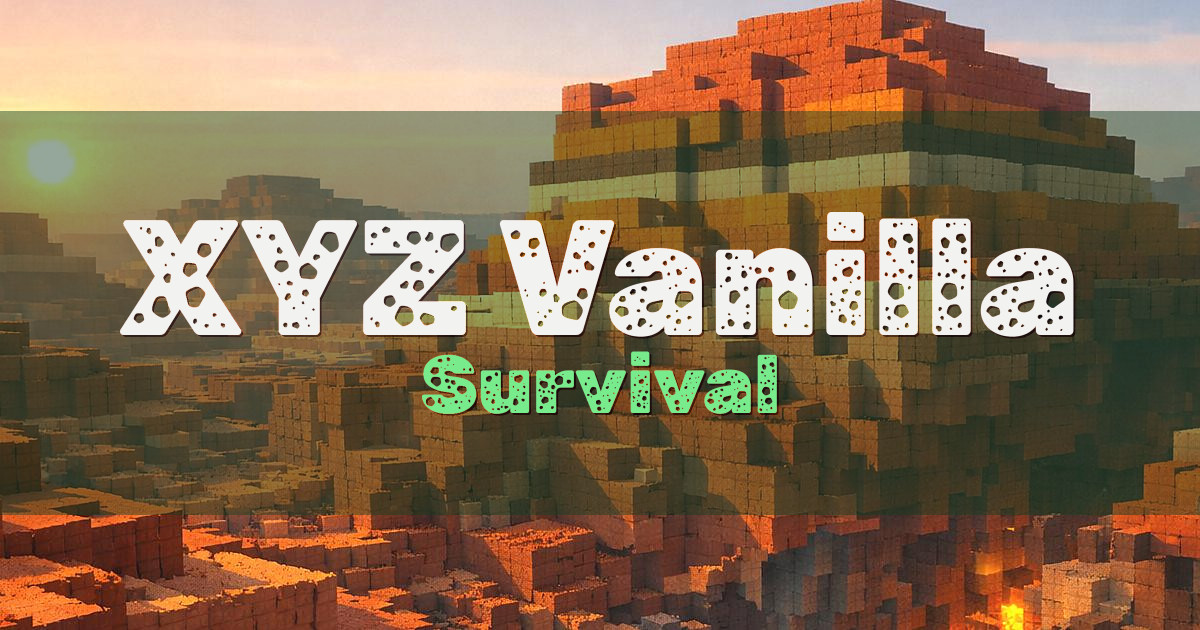 5/100OnlineXYZ Vanilla is a semi-vanilla, semi-anarchy survival server designed to keep Minecraft close to the vanilla experience. It supports Java and Bedrock players, including consoles, and has been running since January 15th, 2026. There are no ma…
 -
CoreyGames is a long-term Survival server where the overworld never resets, allowing your progress and builds to remain in place. The world border expands monthly, opening new areas to explore over time. Players also vote each week for a se…
-
9
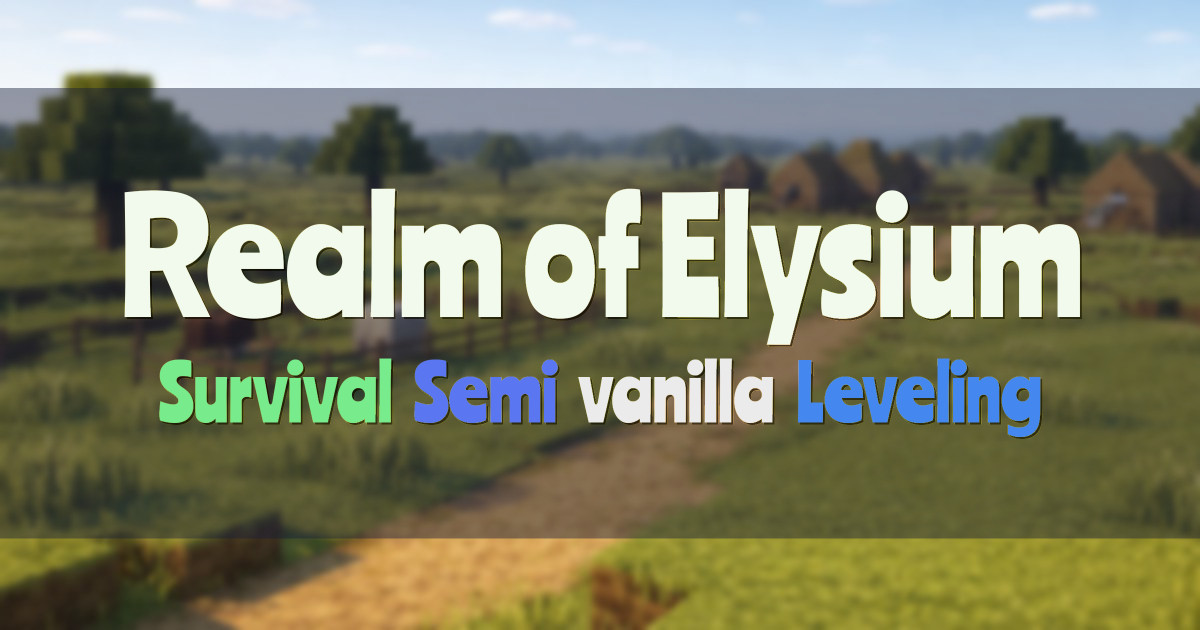 4/75OnlineWelcome to the Realm of Elysium, a semi-vanilla Java Edition survival multiplayer server inspired by Greek mythology. Our core feature is a gameplay-focused level progression system. You earn perks by building up playtime, McMMO levels, and…
 -
10
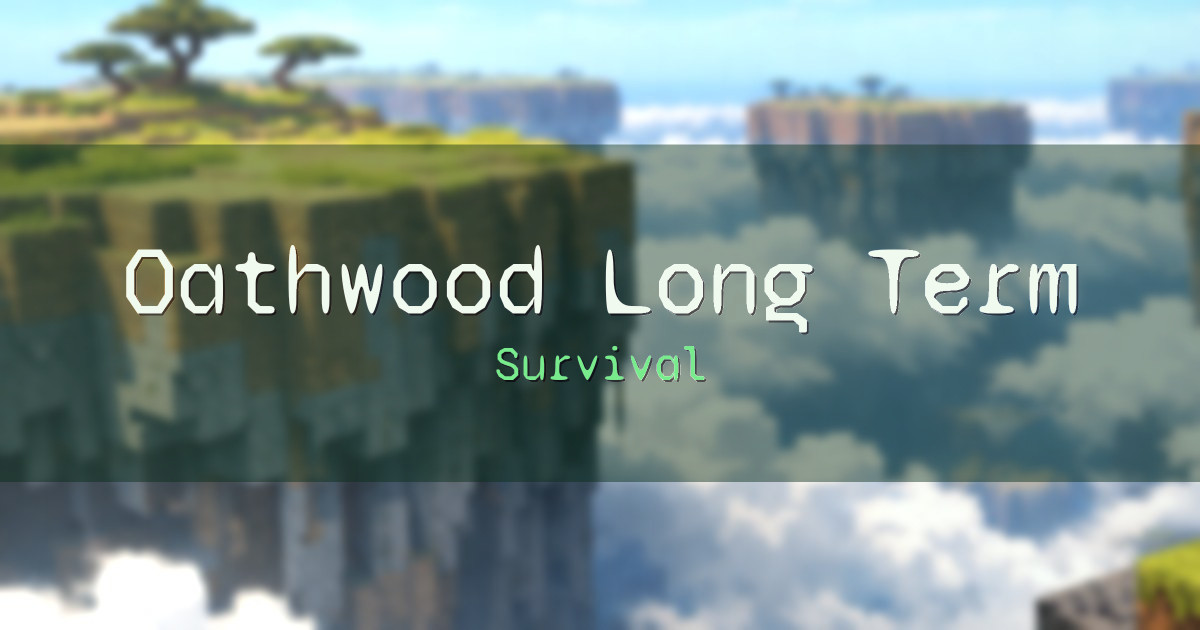 2/40OnlineOathwood is a long-term survival world shaped by the people who play here. Towns grow, trades develop, and stories unfold over time, with progress earned through real effort rather than handed out. Whether you enjoy building, exploring, tra…
 -
Dobrodošel na SloCraft, prijetnem Minecraft serverju, kjer se lahko sproščeno družiš in igraš z drugimi. Na voljo ti je SMP način igranja, kjer lahko gradiš, raziskuješ, preživiš in ustvarjaš skupaj s skupnostjo. Poleg SMP-ja pri nas najdeš…