Minewind Anarchy
Minewind is an open-ended survival world where we leave your adventure largely in your hands.
224 players online

Browse Minecraft servers related to Challenge Progression.
Minecraft servers built around challenge progression organize advancement through objectives that become more demanding over time. Challenges may involve mining resources, defeating mobs, exploring structures, crafting specific items, completing quests, or meeting survival goals. Finishing one task can unlock the next stage, reward, area, rank, or gameplay system, although the exact progression depends on the server.
This format can appear in survival, Skyblock, modded, adventure, or quest-driven servers. Some servers focus on solo milestones, while others encourage teams to share resources and complete objectives together. PvP is not inherent to challenge progression, so players should check whether challenges take place in a peaceful PvE environment, a competitive world, or separate PvP-enabled areas.
Before joining, check how progress is tracked and whether rewards affect gameplay. Servers may use challenge menus, quest books, advancements, NPCs, or custom interfaces, and some allow players to repeat objectives for money or materials. Also verify the required Minecraft edition and version, whether progress is shared across a team, and what happens to completed challenges after a reset or season change.
It is a structured advancement system where players complete objectives in stages, usually moving from basic tasks to harder goals and unlocking rewards or new content.
Not always. Quests are one common way to present challenges, but progression can also use achievement menus, advancement trees, island milestones, or server-specific objectives.
It depends on the server. Challenge progression describes how advancement works, not the combat rules, so the server may be PvE-focused, PvP-oriented, or divided into separate areas.
Often, especially on team-based survival or Skyblock servers, but some systems track progress per player. Check whether objectives and rewards are shared before starting with a group.
Minewind is an open-ended survival world where we leave your adventure largely in your hands.
ExoriaSMP is our long-term survival world for players who want more direction and community than a basic Minecraft experience.
Welcome to DreamLand Survival, where we bring Towny survival together with custom ways to fish, farm, explore, and progress.
Welcome to SunSMP, a friendly, grief-free survival SMP where we keep the heart of Minecraft intact and give you plenty of ways…
RhinoMC is a clean, feature-rich survival SMP built for players who want a relaxed experience with room to grow.
At Solace SMP, we’re building a survival world for players who enjoy having goals beyond a quick playthrough.
At Layag, we’ve built a community-focused survival world for players who want room to shape their own adventure.
CastiaMC is an enhanced Java survival server where we build a persistent world around player-created towns and growing kingdoms.
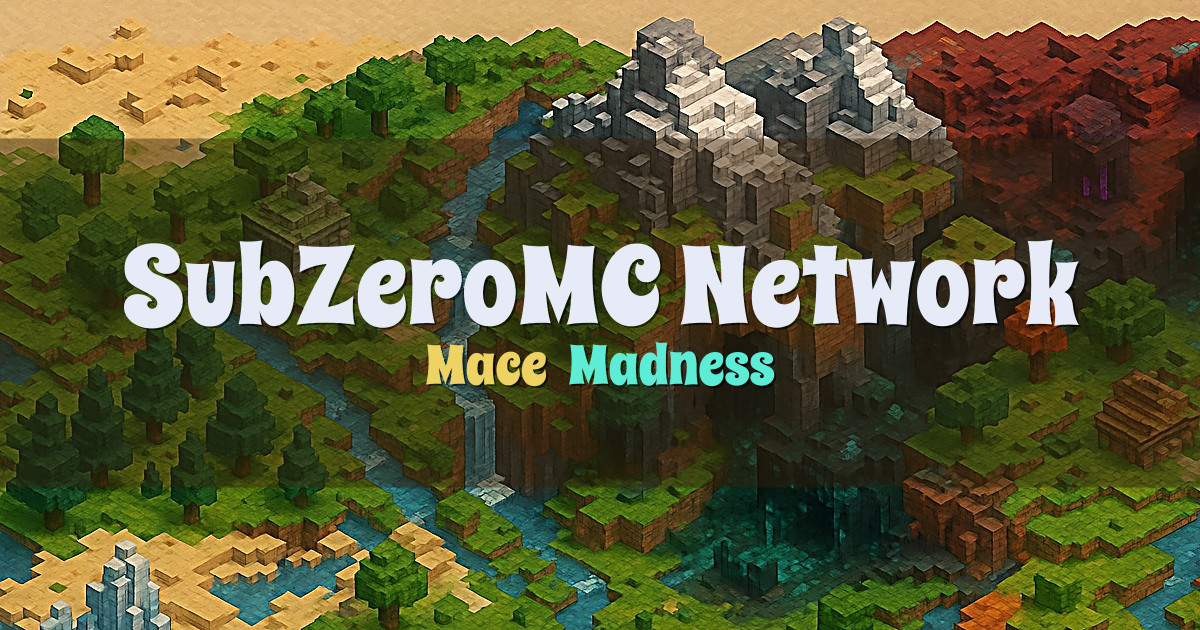
SubZeroMC is a community-focused Minecraft network built around Survival, Practice, and Mace Madness.
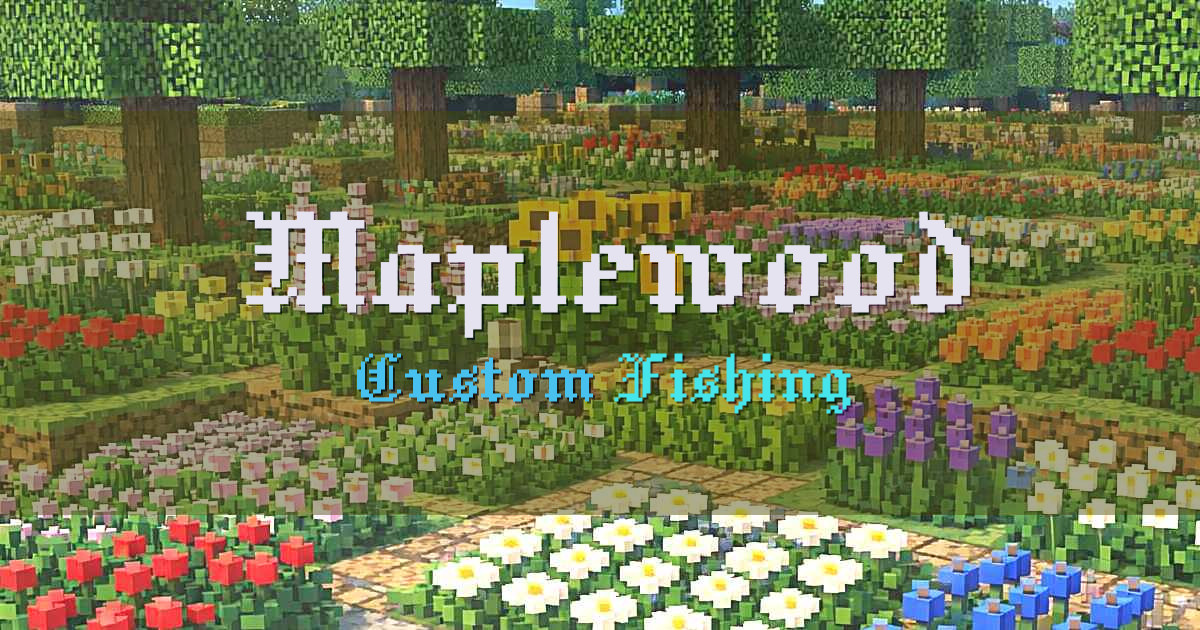
Maplewood is a community-focused Minecraft survival experience built around meaningful progression, creativity, and a welcoming shared world.
Holycraft Community is a friendly survival multiplayer server built around a dedicated world, player-driven progression, and a welcoming community.