Minewind is a survival server built around choosing your own path and hunting down powerful loot that fits your play style. Find a wide variety of gear in chests across the world, trade with villagers for emeralds, and take on dangerous mon…
cooperative play
Cooperative play is Minecraft where progress is meant to be shared. Instead of tracking who wins fights or grinds the hardest, the server culture expects you to pool materials, build common infrastructure, and make decisions with other people. The pace is steady and social: you log in to move a project forward, not to protect a rank.
The loop is simple: plan, split jobs, build, maintain. Someone keeps food and early farms running, someone mines and handles enchanting, someone designs storage, and builders turn it into a base that actually works. Good cooperative play servers make this frictionless with protection, sensible permission sharing, and norms that support group projects without turning every interaction into a transaction.
The best moments are shared milestones. A first Nether run where everyone leaves backup gear in a chest. A beacon going up because different players handled Wither skulls, mining, and the fight. A raid farm that only comes together once villager logistics, redstone, and perimeter work all get done. Over time, the world becomes a record of collaboration: roads between towns, public portals, community farms, and builds too big to stay fun solo.
Conflict still exists, but it is usually about boundaries and trust: who can access what, how shared supplies get used, and how public builds avoid being stripped. Strong cooperative play servers set expectations early and give players tools to collaborate safely, so the default interaction is contributing, not taking.
Is cooperative play the same as SMP?
It often runs on an SMP map, but the playstyle is different. Many SMPs are parallel solo play in the same world. Cooperative play centers shared progression, public infrastructure, and group projects where coordination is the main advantage.
What makes a server feel truly cooperative?
You see people building and maintaining things for everyone: nether hubs, roads, shared farms, storage, and community builds. Protections and permission sharing matter, but the real indicator is whether the server rewards pitching in more than hoarding.
Can I play casually, or do I need a dedicated team?
Casual works fine, but it clicks once you attach yourself to something shared, even small. Restock rockets, expand a tunnel, maintain a farm, contribute materials, or take an unglamorous task off someone else’s plate.
How do cooperative servers handle endgame gear and progression?
Most treat strong gear as shared capability. Elytra helps scouting and transport, beacons make big builds tolerable, and good tools turn resource runs into quick group wins. Some communities pace things with events or light gating, but cooperation usually comes from rules, protection, and culture rather than heavy nerfs.
If I join late, will I be behind?
Usually not. Established servers often have farms, roads, trading halls, and spare gear that make catching up easier. The quickest way to fit in is to contribute to upkeep: run resource trips, repair infrastructure, restock key items, or improve shared storage and signage.
-
-
2
 48/350OnlineWelcome to CastiaMC, a Survival server focused on an enhanced experience where players can build more than just a base. Establish your own town, work with others, and help shape a growing civilization through long-term play. Our main goal i…
 -
3
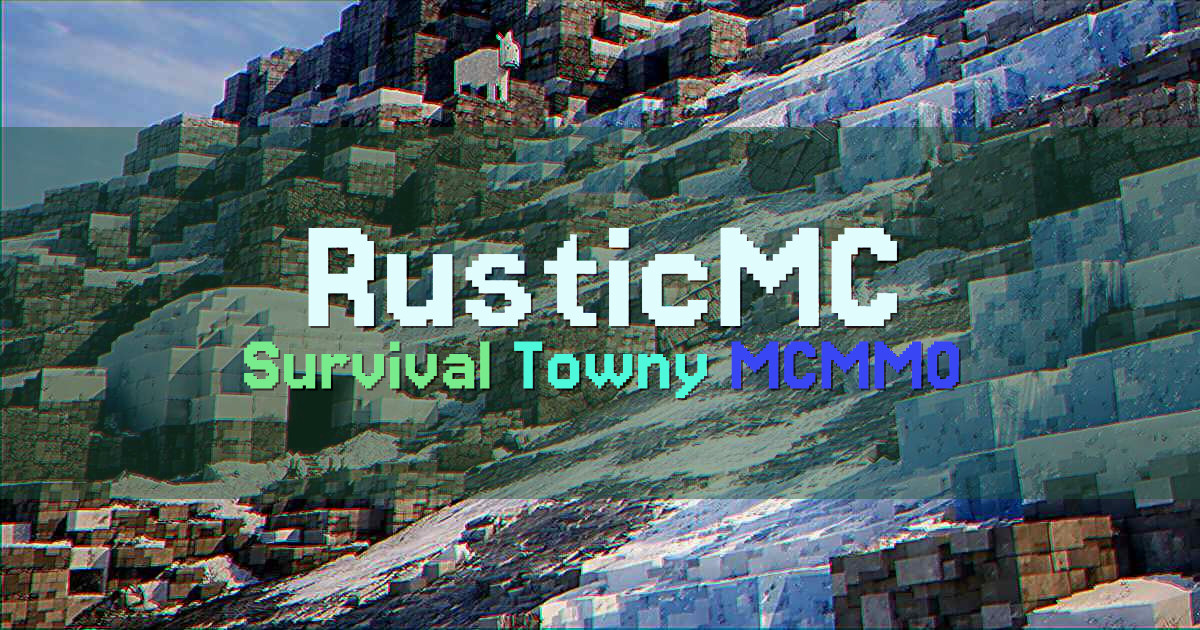 13/25OnlineRusticMC is a community-oriented survival server where you can play your own way. Settle into our main community village and build alongside others, or head out and start something independent. We launched on September 10th, 2024, and we do…
 -
Welcome to BlockeMon, a family-friendly Minecraft server where survival gameplay and Cobblemon come together in a positive, supportive community. Explore vast biomes, mine for rare resources, and build whatever your imagination dreams up wh…
-
Welcome to Nitro-MC, a Towny-focused Survival server built around a player-driven economy. Start a town, build it up with friends or other members, and work toward turning it into a thriving city. Our gameplay is centered on vanilla Minecra…
-
Welcome to Taspia Skyblock, a Skyblock server supporting versions 1.9 through 1.20. Whether you play solo or with friends, the focus here is building creative and unique islands and enjoying a Skyblock experience that keeps giving you new g…