Minewind is a survival server built around choosing your own path and hunting down powerful loot that fits your play style. Find a wide variety of gear in chests across the world, trade with villagers for emeralds, and take on dangerous mon…
create nations
Create nations servers turn a survival world into a political map. You are not just building a base, you are founding a country: claiming land, setting rules, and making choices that affect other groups. It sits between survival SMP and light roleplay, where resources and builds matter, but progress is measured in borders, alliances, and reputation.
The loop is straightforward: join or start a nation, build a capital, then expand through chunk claims and outposts. Strong nations feel lived-in, not just defended: organized farms, controlled storage, roads, nether links, and a market where people from outside actually show up. Once your flag is planted, you are part of the server story, and neighbors respond accordingly.
Most sessions are diplomacy and logistics. Treaties, trade, border deals, citizenship, taxes, and shared projects become the real content. Claims and permissions usually support this by letting nations control building, containers, and redstone by district, so running a city is an actual job. If you like organizing players, setting norms, and keeping a group supplied, this format rewards that skill set.
Conflict matters, but the better servers keep it from turning into random grief. Wars are often declared and limited by objectives or rules, like taking an outpost, contesting a resource zone, or holding a border point, with consequences such as land transfers, reparations, or temporary occupation. Even without constant fighting, pressure shows up through embargoes, poached villagers, contested routes, and control of key biomes.
The feel is long-term and social: bursts of map drama surrounded by steady nation-building. The payoff is that your builds carry political weight, and your neighbors can be partners one week and rivals the next. If you want Minecraft where community management and strategy sit at the center, create nations delivers it cleanly.
Do I need a group to start a nation?
Usually no, but it is harder alone. Many servers allow solo nations if you can afford the setup and hold claims. In practice you play like a city-state: diplomacy and trade work fine, but defense, recruiting, and big projects get much easier with a few consistent players.
How is land usually handled on create nations servers?
Most run chunk-based claiming with permissions. Claims set borders, prevent random edits, and let nations assign roles that control building and access to chests or machines. Some servers add upkeep, claim limits, or scaling costs so large empires need an economy and active citizens to sustain territory.
Is roleplay required?
Often it is optional. You can do speeches, lore, titles, and ceremonies, or treat it as strategy and community management. The shared expectation is engaging with the political layer: agreements, disputes, and consequences.
What is war like in this format?
Rule sets vary, but many servers aim for declared, structured conflict instead of surprise destruction. That can mean war timers, objective points, controlled raiding rules, or limits on what can be broken. Good servers make the terms clear so you are not gambling weeks of building on one bad night.
What do people do after a nation is established?
They run it. That means securing villagers and farms, building roads and portals, keeping shops stocked, setting laws and roles, handling disputes, recruiting, and hosting events. A stable nation becomes a hub other players visit for trade, services, and diplomacy.
-
-
2
 178/1000OnlineArefy Network is a Minecraft server network we’ve been running since January 2014. Over the years, we’ve focused on hosting fun, popular servers and keeping the experience straightforward and enjoyable for regular players. We currently offe…
 -
3
 22/500OnlineWelcome to Gemgrove SMP, a cozy and adventurous fantasy survival server built for players who enjoy relaxing building alongside meaningful progression. Discover our unique gem system as you explore, find, collect, and use mystical gems with…
 -
MCBEGEDIS.LT is a Lithuanian Minecraft server built for players who want clear, easy-to-understand gameplay with plenty to do. Our goal is simple: bring a large, friendly, active community together in one place. Whether you enjoy BoxPvP and…
-
5
 8/99OnlineBoredomMC is a Java network for players who want fair survival and long-term worlds, with two very different survival experiences plus a parkour server. Everything is hosted in the UK, with an online-mode-only setup. Our Whitelisted SMP is…
 -
Welcome to AnubisMC, a Pixelmon Reforged server running v9.1.6. For the intended setup and the smoothest experience, we recommend joining through our Technic modpack. If you run into any issues while connecting or playing, our Discord is th…
-
Welcome to Gardens MC, a friendly 1.21 survival server built around a unique, long-term experience with plenty to explore and work toward. We run a strict anti-discrimination policy and aim to keep the community respectful and welcoming to…
-
8
 4/300OnlineWelcome to FleaMC, a family-friendly survival server for players who want a relaxed place to play, with plenty of depth to explore. We support cross-play for both Java and Bedrock, so friends can join together without needing the same editi…
 -
9
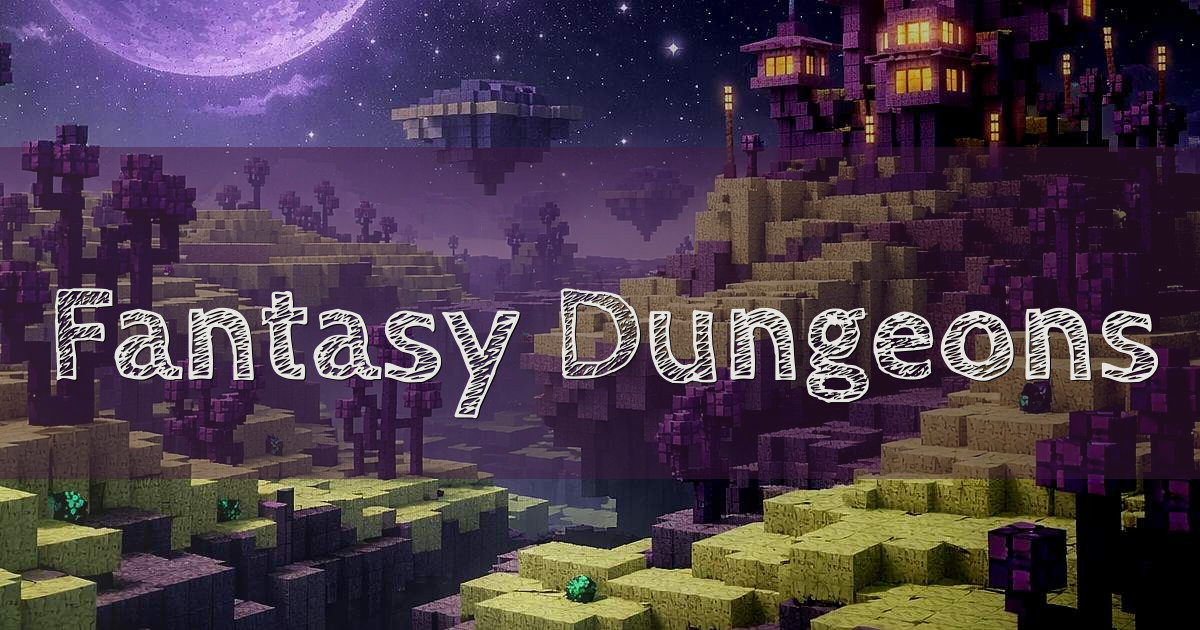 4/2500OnlineParagon Network features Core Fantasy Dungeons, a persistent progression-based survival RPG realm. Explore four interconnected worlds, level up through combat, loot, and a player-driven economy, then take on a massive 50-floor dungeon world…
 -
SwiftServers is our completely free Minecraft hosting platform built for players who want a clean, fast experience without the usual queues, lag, or clunky interfaces. We run a control panel we built from scratch (not a reskinned Pterodacty…