Minewind is a survival server built around choosing your own path and hunting down powerful loot that fits your play style. Find a wide variety of gear in chests across the world, trade with villagers for emeralds, and take on dangerous mon…
Custom crates
Custom crates are servers where a noticeable chunk of progression runs through key-based reward crates, usually set up at spawn in a crate room. You earn a key, open a crate, and pull from a server-tuned loot table. It is equal parts utility and ritual: animations, holograms, and big wins in chat, with players stopping by between grinds to roll their luck.
Crates change what you chase and what feels valuable. Instead of only mining and trading for your upgrades, you are also farming keys through voting, dailies, quests, playtime rewards, bosses, and event clears, with ranks often adding extra pulls. Rewards are rarely pure vanilla: custom enchants, currency, tokens, boosters, cosmetics, spawners, kit upgrades, or fragments that build into better keys. Most servers split this into tiers like vote, rare, epic, and seasonal to control pacing.
Good crate systems support the main loop instead of replacing it. In survival, that means smoothing early friction without skipping the need to build, farm, and trade. In prison, crates usually feed the treadmill with money, tokens, multipliers, and pick upgrades. In PvP-heavy modes, crates are a power faucet, so the health of the server comes down to cooldowns, tier design, and whether strong rewards are actually achievable through play. You can usually feel the server’s philosophy fast: either crates are a light reward layer that keeps you logging in, or the endgame is built around stacking boosters and rolling for the next step.
How do players usually get crate keys?
Most servers mix steady free sources with premium ones: voting, daily streaks, quests, playtime milestones, bosses and events, and key fragments from mobs or other crates. The healthiest setups let regular play earn consistent openings, while higher tiers are slower and more goal-driven.
Do custom crates automatically make a server pay-to-win?
No, but they can. The line gets crossed when paid keys deliver PvP-defining gear, spawners, or huge economy jumps with no realistic in-game route. Fairer servers keep combat power capped or time-gated, and make top rewards reachable through gameplay even if spending is faster.
How can you tell if a crate system is balanced just by playing?
Hang around the crate area and watch what actually comes out. If chat is constantly firing off top-tier wins and everyone is geared from openings alone, the economy usually inflates and progression gets shallow. Also check how the server handles bad rolls: rerolls, recyclers, shard systems, or buybacks are often the difference between crates feeling rewarding and feeling like junk spam.
Can you see crate odds, and do servers publish them?
Sometimes. Many servers show odds in the crate GUI or on a wiki, but plenty keep it vague. If transparency matters to you, look for servers that list chances or loot tables clearly, and treat constant announcement spam without visible odds as a red flag.
What rewards matter most besides gear?
Mode-driving rewards tend to matter more than a random sword: currency and boosters for economy servers, tokens and pick upgrades for prison, claim blocks for survival, and cosmetics or rank time for long-term goals. These keep crates tied to progression instead of just dumping items.
-
-
2
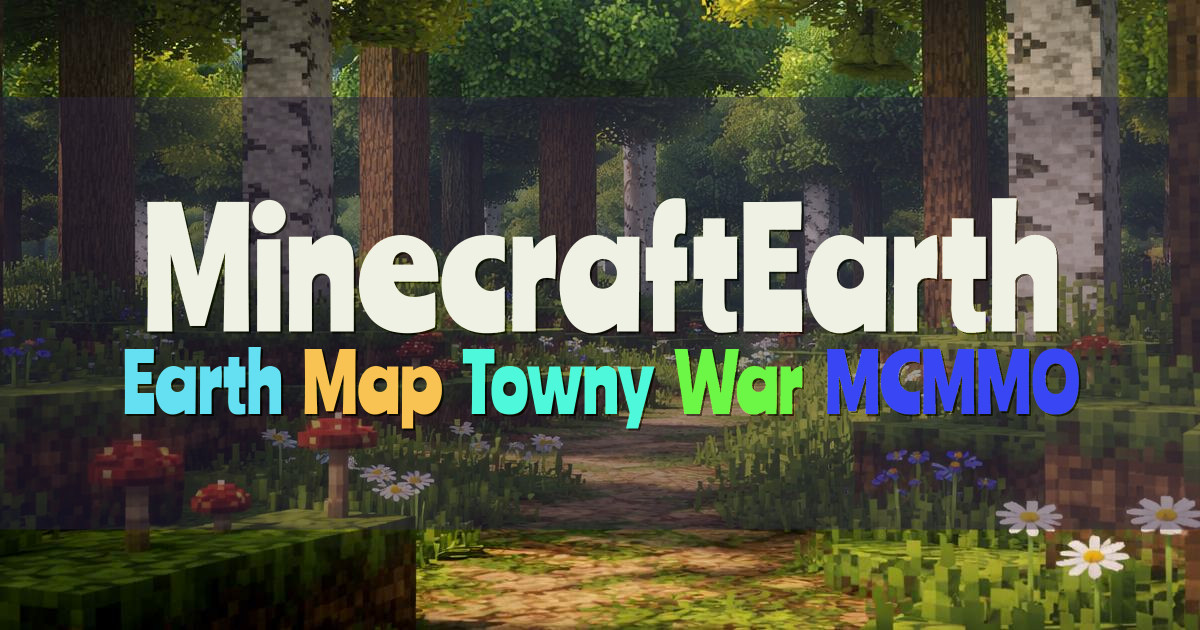 0/500OnlineWelcome to MinecraftEarth, a survival server built around a 1:200 Earth map with Towny at the core. Settle where you like, build with others, and grow your town in a world that stays active and competitive. We run an economy-based SMP exper…
 -
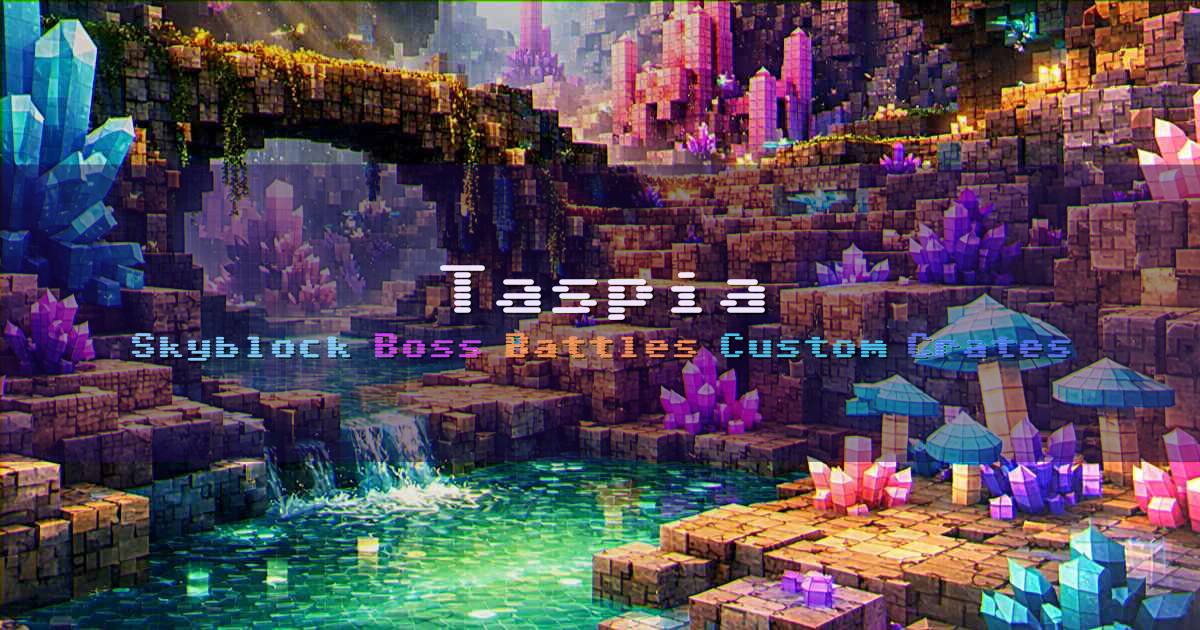
Welcome to Taspia Skyblock, a Skyblock server supporting versions 1.9 through 1.20. Whether you play solo or with friends, the focus here is building creative and unique islands and enjoying a Skyblock experience that keeps giving you new g…
-
Midnight is a semi-vanilla Java SMP built around fair survival progression, grinding, and a player-driven economy. We keep the experience focused and transparent with no pay-to-win and no admin abuse. Whether you want to mine and build your…