Minewind is a survival server built around choosing your own path and hunting down powerful loot that fits your play style. Find a wide variety of gear in chests across the world, trade with villagers for emeralds, and take on dangerous mon…
Custom server
A custom server is built around gameplay that is not in base Minecraft. You are not joining for a single, familiar mode so much as joining to learn that server’s systems: its rules, progression, and what counts as endgame. The first hour often feels MMO-like: a structured spawn, clear navigation via menus and commands, and a guided path into the server’s main loop.
Progression usually sits at the center. Mining, farming, and mob grinding still matter, but they feed server-made currencies, questlines, skill levels, gear upgrades, and unlocks. Builds are commonly protected through claims, and the economy is tuned to those systems, so value comes from what advances your account rather than what vanilla says is rare.
Custom can mean different depths of change. Some servers feel custom because they combine plugins into a coherent ruleset with their own balance and content cadence. Others push further with custom-coded mechanics, bosses, world generation, datapacks, or a resource pack that makes GUIs and items read differently. Either way, expect server-specific interactions: which items are worth keeping, how to earn money, where power comes from, and what activities are considered efficient or respected.
The payoff is identity. Good custom servers develop their own metas and social roles, from dedicated farmers and crafters to traders and event regulars, because the systems create reasons to specialize. The tradeoff is friction: you will spend time learning, and the server may rebalance or wipe to keep progression healthy. Doing well is as much about understanding their mechanics as it is about raw Minecraft fundamentals.
What should I expect when I join a custom server for the first time?
Expect onboarding and a bit of reading. Many start you in a hub or spawn with a tutorial, a starter kit, and menus for warps, quests, and shops. Assume vanilla instincts may be wrong until you learn how that server handles protection, money, and gear progression.
Does custom mean modded?
Usually no. Most are playable on a normal client and rely on server-side plugins, datapacks, and sometimes an optional resource pack. Some custom servers are truly modded and require a modpack, but the term by itself more often points to bespoke server systems rather than mandatory client mods.
How can I tell if a custom server is well-designed?
Look for systems that are easy to understand and hard to exploit. Strong servers explain progression and currencies clearly, make claim and PvP rules predictable, and keep the economy stable against dupes and one-method money farms. In play, it shows up as pacing: upgrades feel earned, early progression is not trivialized, and different activities stay relevant instead of one strategy dominating everything.
Will my progress be safe on a custom server?
Check their wipe and rollback policy. Custom servers sometimes reset worlds or overhaul systems, which can change item values or invalidate certain builds. The safest long-term progress is often account-based unlocks (levels, recipes, perks) rather than stockpiled items alone.
Are custom servers pay-to-win?
Not automatically, but the risk is real because there are more places to sell perks, currencies, and gear. Fairer servers keep purchases cosmetic or convenience-based and avoid selling combat power that bypasses the normal progression curve.
-
-
2b2u is a fresh Minecraft 1.21.1 vanilla anarchy server built for players who want true lawless survival. There are no land claims, no chat reports, and no protected safe areas, so what you build, defend, or lose is entirely up to you…
-
We're running Pixelmon Reforged v9.1.6. For the smoothest experience, we recommend joining through our Technic modpack. If you run into any issues while connecting or playing, our Discord is the best place to get help from the communit…
-
4
 15/150OnlineSpread your wings and fly home to SwanCraft and come explore our brand new map. In a world full of soulless Minecraft networks and one-size-fits-all hub servers, we aim to give you something different: a place to call home. We run a…
 -
5
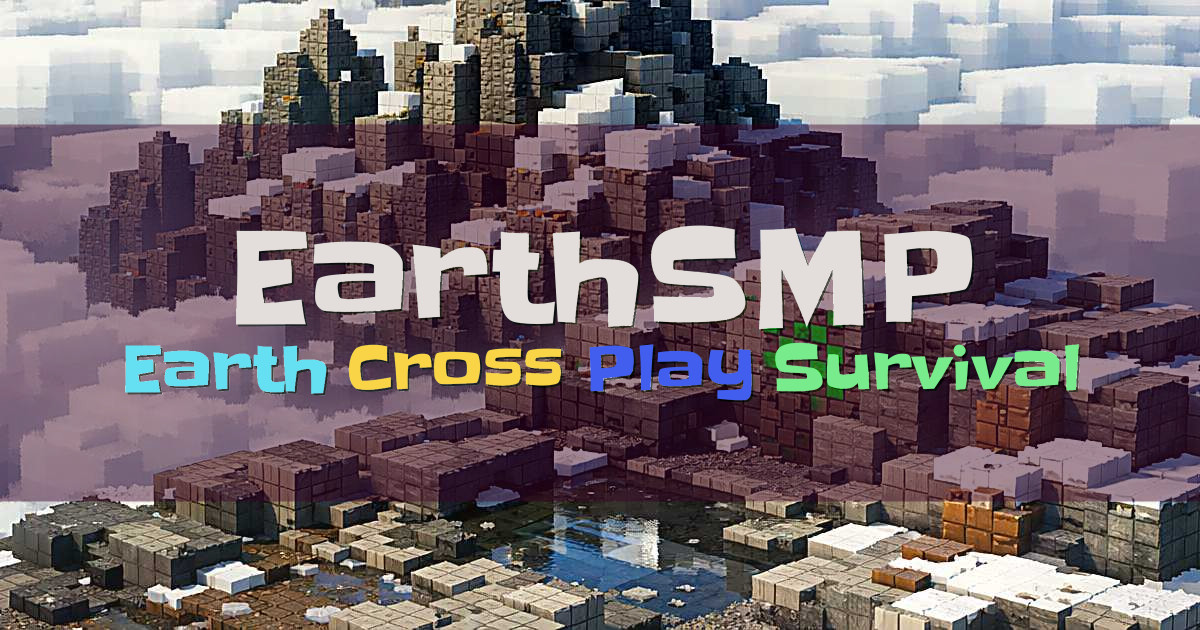 15/200OnlineEarthSMP is a custom Earth server built to give players a fun, high-quality multiplayer experience. We focus on smooth gameplay, a friendly community, and an active owner team that keeps adding new things so the server stays fresh and excit…
 -
Welcome to SMPnir, a semi-vanilla survival SMP built around custom plugins developed in-house. We began as a project for friends and have grown into a public server with a small, active community. Our leveling and progression systems are de…
-
7
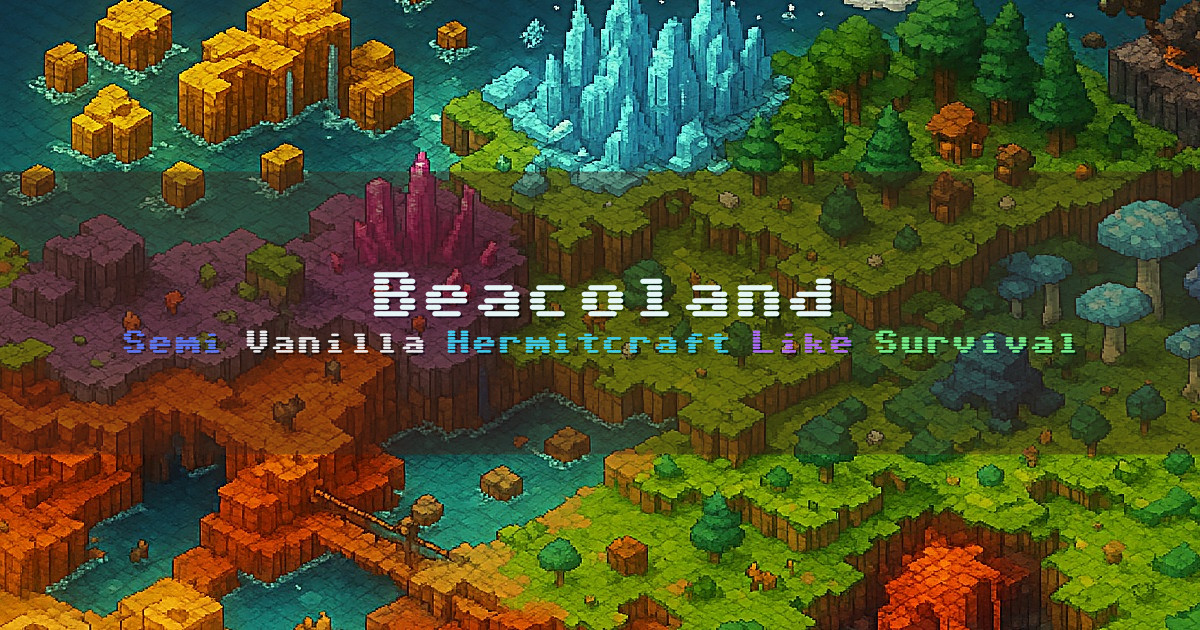 5/200OnlineBeacoland is a semi-vanilla, Hermitcraft-like survival server for adult players who want a welcoming, dedicated community and a true-to-vanilla feel. We keep gameplay grounded with no /tp, /spawn, or /home, so exploration and building stay…
 -
8
 4/500OnlineMesaMC is built for players who want more than the usual SMP experience. We focus on custom raiding, competitive PvP, and a survival setting with enough depth to keep progression interesting. Our raiding system includes reinforced blocks fo…
 -
FoxCraft SMP is a survival economy server for Java and Bedrock players, offering a classic survival experience with additional ways to trade, progress, and play. Use homes, warps, spawn teleportation, and random wilderness teleport to get a…
-
coinlimitX SMP is a Java and Bedrock Minecraft server built around survival gameplay and the official Infuse SMP Season 4 plugin. Players can collect and infuse powerful abilities, creating a distinctive progression system for both combat a…
-
MineRealm is a long-running public SMP that has been online since 2010, with a welcoming community shaped by years of survival gameplay and more than 265,000 players having joined. We focus on 100% legit survival with no pay to win and no…