Minewind is a survival server built around choosing your own path and hunting down powerful loot that fits your play style. Find a wide variety of gear in chests across the world, trade with villagers for emeralds, and take on dangerous mon…
Dynamic map
Dynamic map servers treat the world as a shifting board, not a static backdrop. The terrain may be familiar, but what matters moves: routes get built or cut off, borders and claims shift, resource zones get depleted or reopened, and events reshape the safest paths and the most valuable biomes. You end up checking the map like a strategy layer because last week’s hub, shortcut, or mining spot might be irrelevant now.
The core loop is situational play. Players scout hotspots, adjust where they farm when chunks get busy, and rethink base placement when travel lanes or territory lines change. A new nether corridor, a time-limited resource region, or the ruins from a war can redirect the economy and pull people toward new centers of activity even on servers that are otherwise peaceful.
When it works, the changes have real consequences. Chokepoints matter because they control movement, not because the server says they do. Events add pressure by shifting incentives, not by handing out loot: temporary nodes, altered biomes, opened frontiers, and structure spawns create a scramble that becomes social, political, and logistical. Expect more migration than on a long-running survival world, with the nether functioning as infrastructure and the overworld accumulating a readable history of hubs, fortifications, and abandoned builds.
Does dynamic map mean the world resets a lot?
Not automatically. Some servers rotate specific regions or periodically open new areas, but many keep the world persistent and rely on controlled openings, shifting rules or borders, and player-driven construction and conflict. The defining feature is that the important parts of the map are expected to change.
Is a dynamic map always PvP-focused?
No. A changing map creates competition for space and routes, but that can be expressed as PvP, politics, trade, exploration races, or server projects. The common thread is that the current world state affects player decisions day to day.
How do you start without getting stranded by map changes?
Stay mobile early. Build a starter that you can abandon, keep valuables packed, and prioritize access to transport like nether entry, boats, and horses. Information is leverage here, so learn where the active hubs, safe corridors, and contested areas are before committing to a long-term build.
Will my base be wiped or griefed on this format?
Dynamic does not imply unprotected. Many servers use claims, rollbacks, or strict rules; others allow raids or structured warfare. Look for how the server handles claims, raiding, and event-driven terrain edits before investing heavily.
What happens to trading and prices on a dynamic map server?
Markets swing with access. When a new resource area opens, raw materials flood in and building demand spikes; when a route becomes risky or long, transport costs rise and local suppliers matter. Players who track current corridors and hotspots tend to outperform pure grinders.
-
-
2
 104/1000OnlineWelcome to ColdGames, a new Minecraft network built around PvP. We’re bringing back the spirit of a PvP network that ran for 8 years, focusing on creating unique experiences around the most popular game modes. Our servers support the latest…
 -
3
 27/?OnlineArda Anarchy is a two-server network for players who want real survival with PvP, no land claims, and no forced resets, built with performance in mind for big builds. Arda Anarchy is our Vanilla+ Middle-earth themed server with drop-invento…
 -
4
 27/50OnlineWelcome to Pandoras Garden SMP, a survival world born from a long-sealed box and now bursting into overgrown chaos. Step into the garden and carve your own path through quests, challenges, and hidden secrets waiting to be discovered. We foc…
 -
1MoreBlock is a family-friendly Survival SMP community that has been running since 2011. We focus on fair, grief-free PvE gameplay and a welcoming international playerbase. Settle in with long-term main worlds that never get deleted or rese…
-
6
 10/48OnlineCrescenta is a long-running worldbuilding, storytelling, and geopolitical roleplay server built around a mature community and player-driven stories where your choices can meaningfully change what happens next. Our current world, Gary, is ab…
 -
7
 9/2026OnlineMofuCraft is a Japan-based Minecraft Java server focused on a vanilla-style survival experience with an economy, MCMMO, minigames, PvE, and optional PvP. Standout features include a casino, pets that can accompany you, a four-seasons system…
 -
Welcome to Kings Kingdom, a newly launched Factions PvP server built for players who want to stake their claim early and help shape a growing community. Create a faction, fight for control, and push your progression through quests and a ski…
-
9
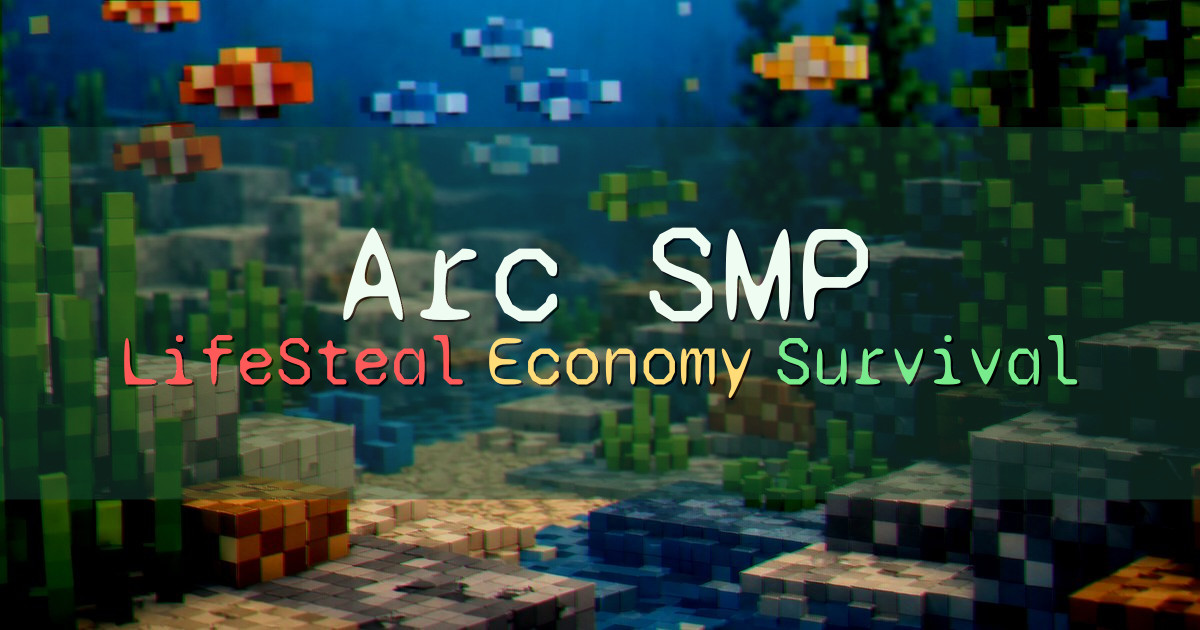 4/100OnlineArc SMP is a survival SMP built around Lifesteal PvP and a player-driven economy. Every fight matters, and taking risks in combat can directly impact your progress. We keep the economy grounded with a balanced shop while still leaving room…