Minewind Anarchy
Minewind is an open-ended survival world where we leave your adventure largely in your hands.
205 players online

Browse Minecraft servers related to Global Community.
A global community server is a multiplayer world that stays active around the clock. You can log in early morning or late night and still find chat, shops open, and projects moving. The main difference is cadence: things progress while you are offline. A road gets extended, a new neighbor claims a plot, the shop district restocks. With demand and supply spread across time zones, the economy usually feels steadier than a server that only spikes during one evening window.
Socially, it runs more like a public square than a private friend group. Chat often mixes languages and different slang, so the smooth servers rely on clear rules, consistent moderation, and basic tools like /ignore or separate chat channels. You tend to meet people through repeatable routines that do not require perfect overlap: trading, maintaining nether highways, sharing farms, joining a mining run, or just becoming a familiar name in the hours you play.
Gameplay leans into infrastructure that survives handoffs. Player shops, claim-based towns, public portals, hub areas, and well-labeled storage do a lot of work because players are constantly arriving from different regions and schedules. Events are usually rotated or run more than once, and big builds get organized with signs, books, and obvious conventions so the next crew can continue without needing a voice call.
At its best, it feels like a lived-in world with momentum. At its worst, it turns noisy and unpredictable, with culture clashes and uneven rule enforcement. The difference is structure: expectations that are easy to understand, staff coverage across time zones, and shared spaces where new players can plug in without an invite-only circle.
No. Global community is about an international playerbase and time-zone coverage. Crossplay is about platform support, like Java and Bedrock playing together. A server can be both, but one does not imply the other.
Look for servers with clear, short rules, staff active in multiple time zones, and support for separate language channels or local chat. Pay attention to how they handle harassment and spam, because mixed-language chat only works when enforcement is consistent.
Expect faster public progress: nether hubs, roads, and shop districts tend to develop quickly. Also expect more change while you are offline, so claims or protections matter more, and it helps to build with signage and organized chests if you want others to collaborate safely.
On a real global community server, off-hours are someone else’s prime time, so there is usually activity. The key is server population and whether core systems like shops and travel work without needing a specific friend group online.
It can, simply because more players and more cultures create more chances for misunderstandings. Servers that feel calm usually have visible moderation, clear consequences, and opt-out tools so you can trade and follow announcements without living in global chat.
Minewind is an open-ended survival world where we leave your adventure largely in your hands.
Welcome to PotterworldMC, our magical Minecraft roleplay experience built for players who want more than ordinary survival.
TrainDontStop Network is a new Minecraft community built around Survival and SkyBlock gameplay.
Crusalis is a Java Minecraft server set in the Age of Discovery, where exploration and empire-building reshape a vast world.

Aspera MC is a story-rich survival world built around a rift in an ancient volcano.
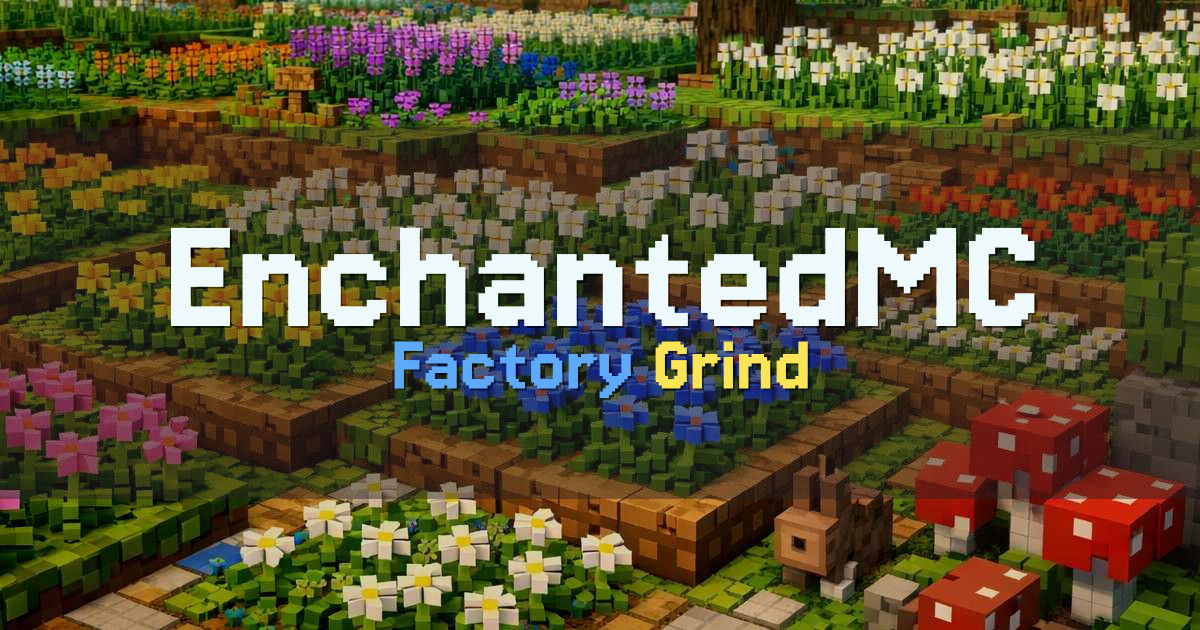
EnchantedMC is a cross-platform Minecraft network where Java and Bedrock players can play together across devices.
MineScape brings the classic Old School RuneScape experience into Minecraft as a full MMORPG adventure.
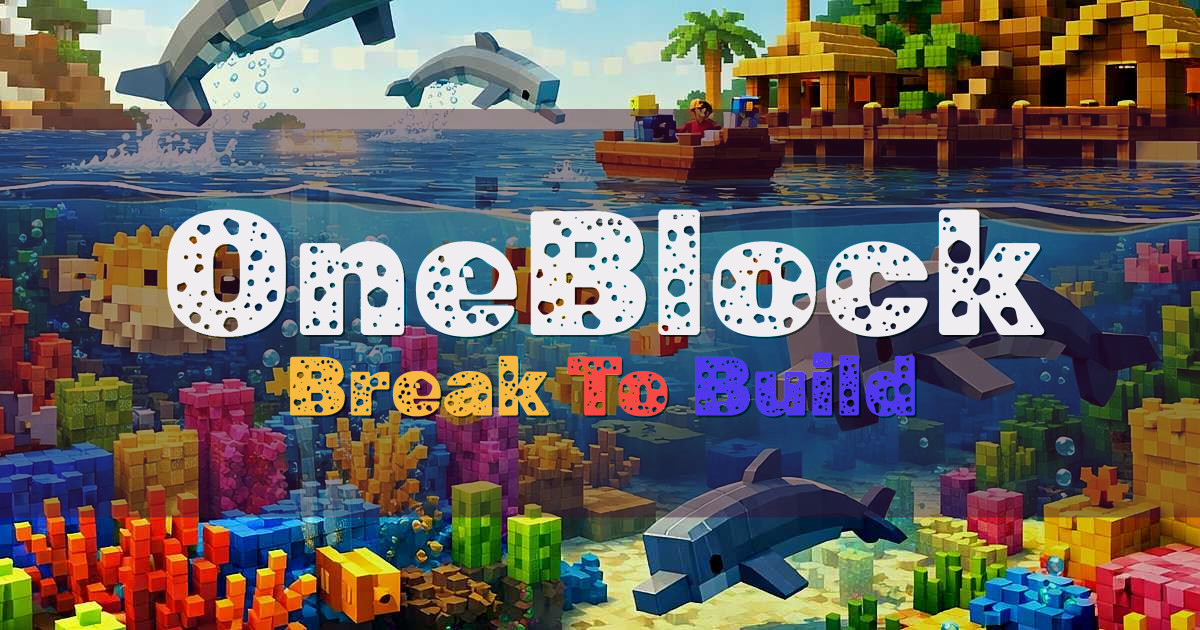
OneBlock offers a focused island progression experience built around the OneBlock gameplay loop.
Build your island together on OraclePvP, our Skyblock server focused on teamwork and long-term progression.
TFMC is a vanilla-compatible Minecraft roleplay server where your decisions help shape the world.
Nzgul Network brings competitive games and community survival together under one roof.