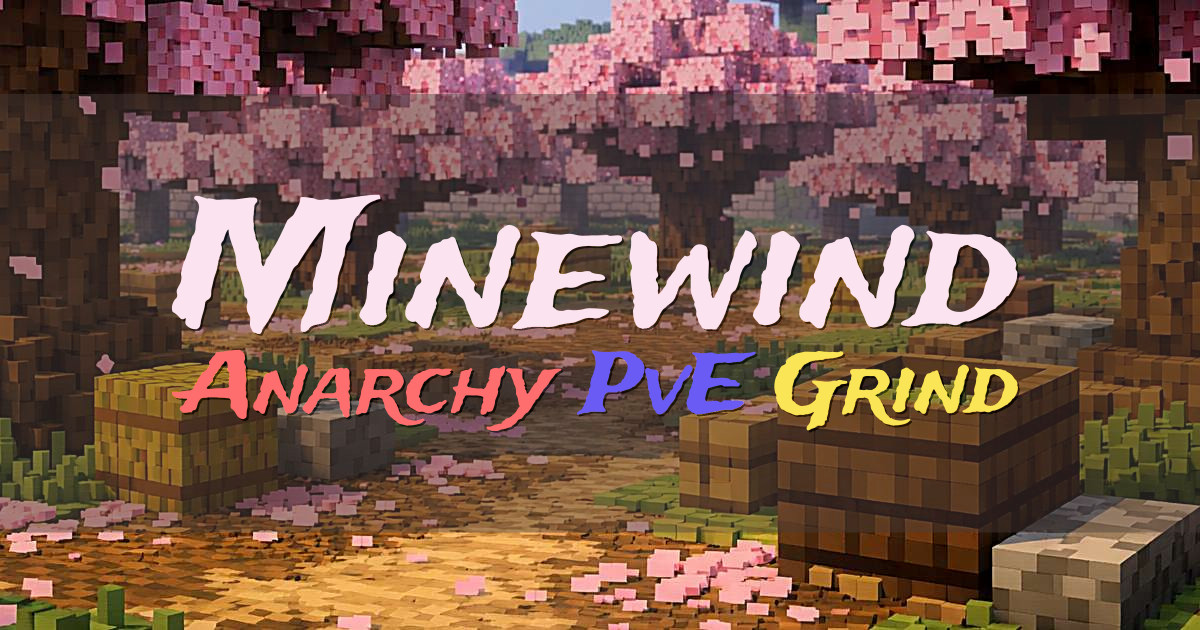
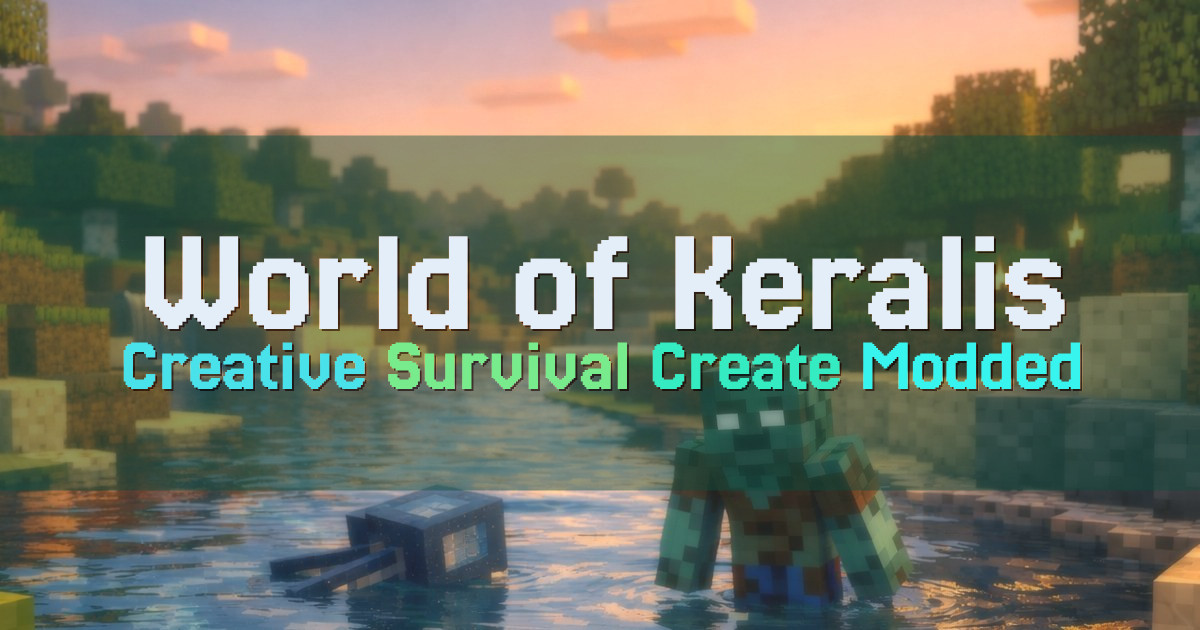
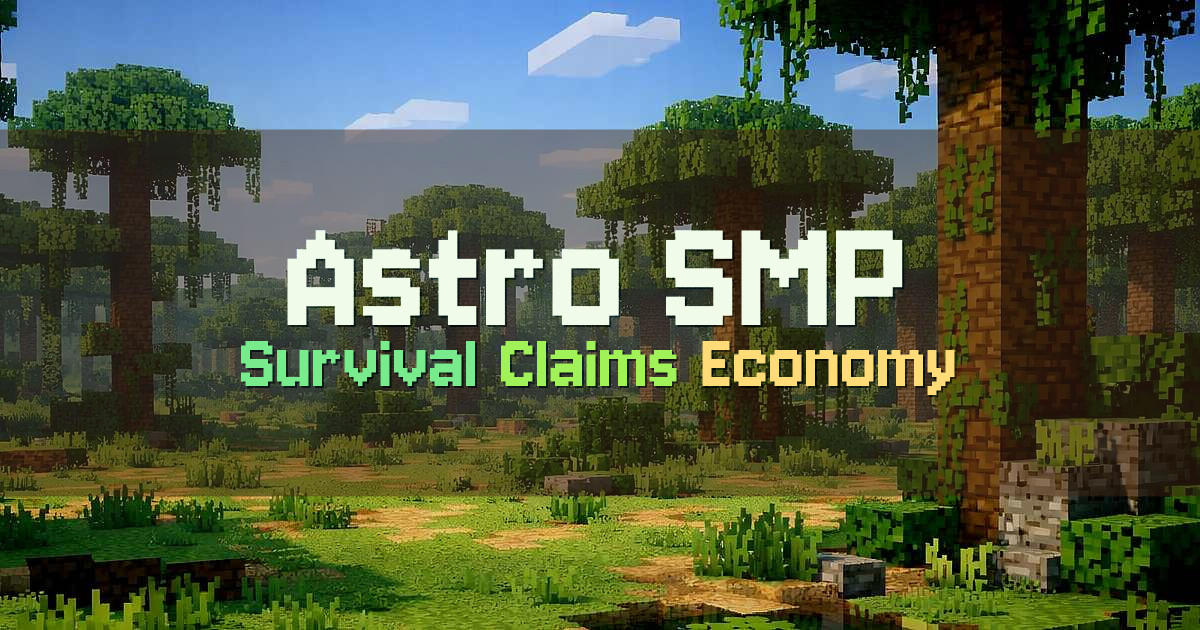
Iris shaders servers are normal multiplayer worlds with an unspoken expectation: a lot of the regulars are running Iris on Fabric, usually alongside Sodium. The server is not running shaders and cannot require them, but the community and the setup are built to look clean under common shader packs and to avoid visual glitches that only show up once you enable real lighting and shadows.
The vibe leans atmospheric. Simple things like a nether bridge, an ocean run, or a base tour hit harder when water, fog, and shadows behave. Builders tend to design with contrast and light falloff in mind, using lanterns, froglights, sea lanterns, tinted glass, and deliberate darkness instead of just spamming light everywhere. You get spaces that read well at night and don’t turn into muddy noise under shaders.
Practically, these servers usually keep client jank under control. You see fewer particle-heavy cosmetics, fewer screen effects, and less visual spam in crowded hubs because that’s what tanks FPS when you are already rendering shader lighting. Gameplay is often close to vanilla with light QoL, since the point is stable performance and a world that looks good rather than a huge modpack.
What makes it feel distinct is the attention to compatibility. Owners pick or tune resource packs that behave under shaders, avoid fullbright-style tricks that look awful with proper shadows, and keep custom textures consistent so blocks don’t pop or shimmer. The core loop is still Minecraft, but the social loop shifts toward viewpoints, screenshots, and shared builds that are meant to be seen in motion, at different times of day, without your frames collapsing.
Do I need Iris to join?
Usually no. Iris is client-side, so you can join with a normal client as long as the server is otherwise compatible. You just will not see shader lighting, shadows, or water effects.
What client setup do people typically use?
Fabric with Iris + Sodium is the common baseline. Many players add other performance mods depending on version, but the expectation is smooth FPS with shaders, not gameplay-changing mods.
What does Iris-friendly actually mean on a server?
Mostly that the resource pack, lighting choices, and visual effects are designed not to fight shaders. Think consistent textures, restrained particles, and builds that still look readable with real shadows and fog.
Can resource packs or plugins make shaders look bad?
Yes. Forced packs with odd texture work, fullbright cheats, or noisy overlays can look worse under shaders than in vanilla. Heavy cosmetics and particle spam can also wreck performance in busy areas.
Are there common shader packs people run?
Complementary and other BSL-style, performance-friendly packs are common because they look good without being brutal in crowded areas. The right choice depends on your GPU and how dense the server builds are.