Minewind Anarchy
Minewind is an open-ended survival world where we leave your adventure largely in your hands.
197 players online

Browse Minecraft servers related to Item Trading.
Item trading servers make Minecraft items the backbone of progression. You still mine, farm, and craft, but the quickest way to gear up and build big is through exchange. Players specialize, set prices, and move resources through a marketplace where knowing demand matters as much as raw playtime.
The loop is straightforward but stays interesting: pick something you can produce reliably, turn it into stock, sell or barter, then reinvest into better tools and infrastructure. Common staples include rockets, enchanted books, shulker boxes, potions, beacon materials, netherite upgrades, and bulk building blocks. A typical flow is selling a few shulkers of rockets to fund mending books and diamond gear, then using that gear to scale farms that unlock higher-value trades.
The defining feature is the social economy. You see the same traders, learn who delivers fast, and reputation becomes real leverage. Good sellers are consistent about details that matter in practice: exact enchantments, item condition, stack counts, and whether something is renamed or pre-used. Bad behavior travels just as fast, so trust and repeat business shape the market.
Strong item trading environments add guardrails without replacing the player-run economy. Tools like chest shops, auction houses, trade windows, and protected market plots reduce friction, while rules against scamming and duping protect the incentive to produce. When acquisition still takes effort, every shulker represents time and planning, and trading feels like a living world instead of a menu.
Sometimes currency exists, but the core identity is a market built around items and supply chains. Many communities prefer bartering and bulk swaps, like rockets for gunpowder, netherite upgrades for beacon blocks, or concrete for quartz, because it keeps survival production and scarcity relevant.
Items that are time-gated, inconvenient to mass-produce, or high-impact for progression: rockets and gunpowder, mending and top-tier enchantments, shulker boxes, netherite and upgrade templates, potions, wither and beacon materials, quartz, prismarine, slime, honey, and large runs of consistent building blocks.
The safest servers provide a trade UI, chest shops, or protected shop plots, plus clear enforcement against scams. In direct deals, players still double-check stack counts, confirm enchantments and durability, and avoid middleman setups unless the community and staff clearly recognize them.
No. Early on, small reliable output is enough. A compact sugar cane, iron, or villager setup can fund upgrades, and many players start by doing deliveries, supplying in-demand basics, or flipping underpriced listings. Consistency beats one-time hauls.
A steady base of buyers, real scarcity, and changing demand. Resets, updates, and server goals shift what people need, which keeps prices and routes moving. Long-term health also depends on preventing dupes and economy-breaking exploits, because one unchecked incident can flatten the market.
Minewind is an open-ended survival world where we leave your adventure largely in your hands.
SemiSurvivalCraft is our long-term, semi-vanilla survival world for Java and Bedrock players.
CrovexSMP Civilizations is a survival multiplayer server where we build lasting civilizations through cooperation, competition, and territorial growth.
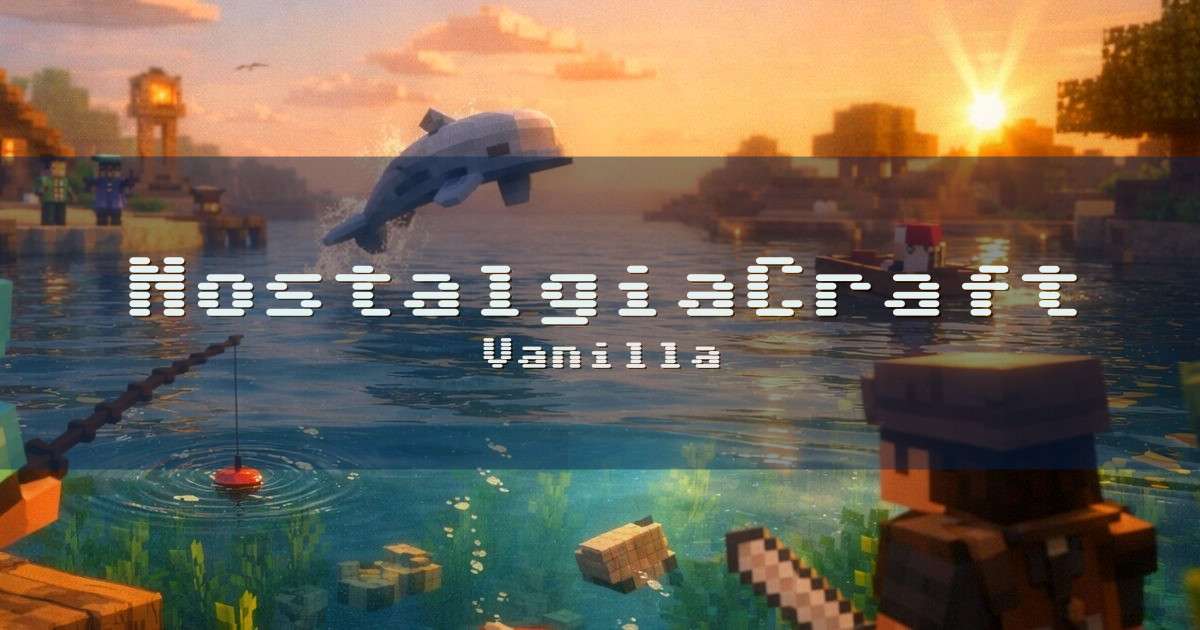
NostalgiaCraft is our long-running vanilla SMP for players who want Minecraft to feel straightforward again.
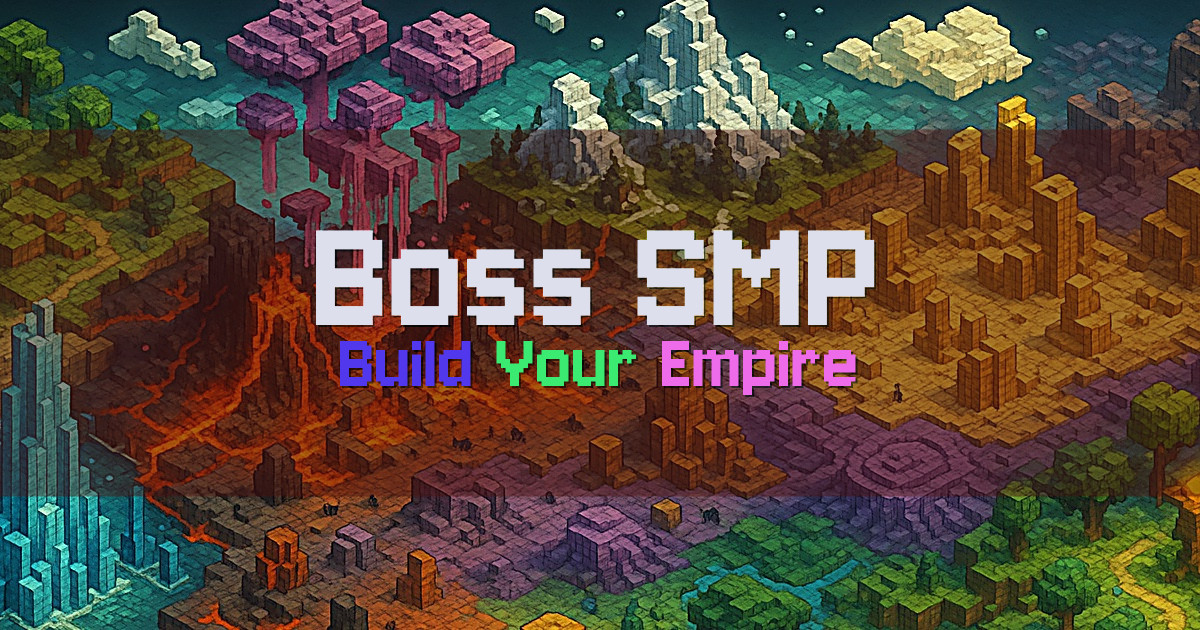
Boss SMP brings survival, player-driven PvP, and a community economy together in one shared world.
At SublimeGaming, we bring several ways to enjoy Minecraft together in one international community.

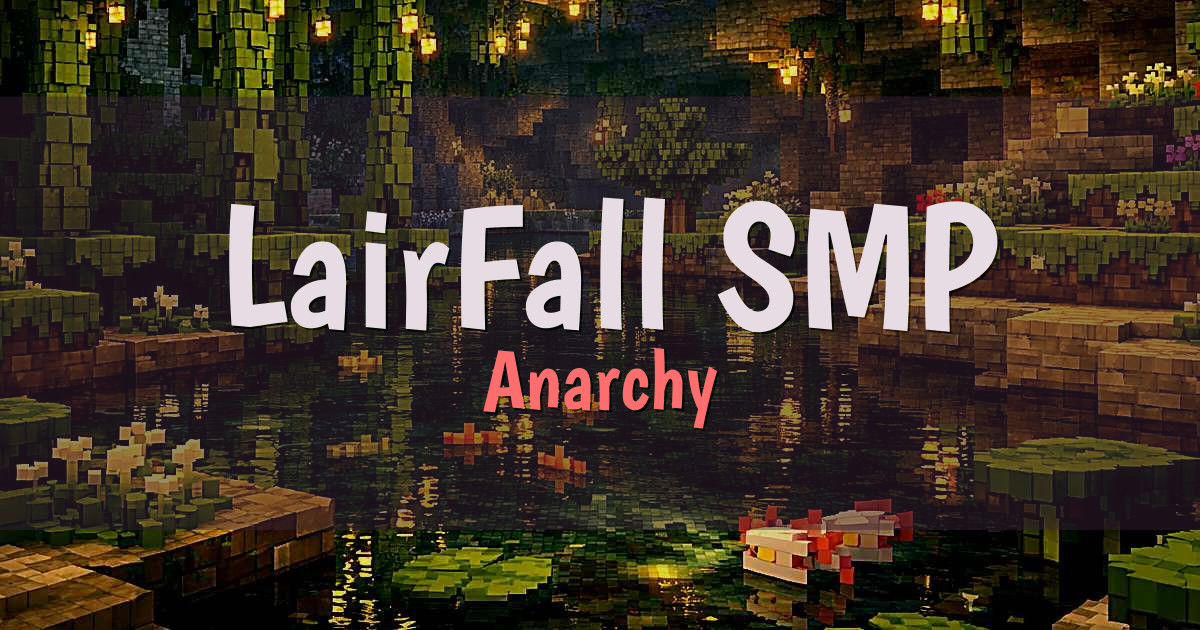
LairFall SMP is our anarchy-focused survival multiplayer world, built around player freedom, exploration, and a growing economy.
YodaCraft is a regular survival SMP where you can play with friends in a shared Minecraft world.