Minewind is a survival server built around choosing your own path and hunting down powerful loot that fits your play style. Find a wide variety of gear in chests across the world, trade with villagers for emeralds, and take on dangerous mon…
old school minecraft
Old school minecraft servers chase the early multiplayer survival feel: smaller communities, practical builds, and worlds that look lived-in because people stay. The pace is slower and more grounded. Getting established matters, and the satisfaction comes from real milestones like your first steady iron supply, a safe route home, and a starter base that turns into a permanent place.
Progression is mostly earned in-world, not handed out through kits or constant events. You mine because you need blocks, farm because food and trades matter, and travel because distance still has weight. Sessions tend to revolve around long projects: a main road, a rail spur, a nether tunnel network, or a shared quarry that becomes a neighborhood hub.
The social layer carries the server. You see the same names, learn who you can trust, and reputation shapes how close you build and how you trade. Protection is often lighter than on heavily automated survival servers, so smart building, good neighbors, and clear consequences do more than menus and gimmicks.
Mechanics usually stay straightforward. Expect vanilla tools and familiar limits, fewer custom enchant ladders, and less emphasis on flashy gear tiers. Even when the server runs a modern version, the design leans toward the older mindset: survival first, community second, and everything else optional.
Does old school minecraft mean the server runs Beta or an old release like 1.8?
Not necessarily. Some servers do lock to older versions for the exact combat, worldgen, and item set. Others run modern versions but keep the experience old school by staying close to vanilla, keeping plugins low-impact, and letting players create the content through building and trade.
How is griefing and protection usually handled?
Most keep clear anti-grief rules and active moderation, but they do not try to make the world completely risk-free. You might see simple claims or chest locks, yet the expectation is still to build with some caution and rely on community trust instead of total automation.
What kind of economy should I expect?
If there is an economy, it is usually player-run: shops, trade streets, and bartering for resources people actually need. The goal is to support survival, not replace mining and farming with a money grind.
Is it worth joining solo?
Yes. Solo play fits the format because progression is self-driven and building is the main payoff. Groups help with infrastructure, but many players start alone and connect naturally through neighbors, trading, and shared projects.
How fast is progression compared to kit-based survival?
Slower, with fewer shortcuts. You put time into tools, farms, and travel routes, and that pacing is the appeal because each upgrade noticeably changes what you can do and how secure you feel.
-
-
2
 103/1000OnlineWelcome to PetalSMP, a cozy survival server for players who want a safe, peaceful place to play, build, and connect. Explore our beautifully crafted custom world, take on engaging quests, and choose from custom jobs as you settle in. We sup…
 -
3
 58/200OnlineMineWave is a multiplayer server offering popular survival and competitive game modes, including Earth and OneBlock. You can join and play for free on either Java or Bedrock, making it easy to play with friends or jump in solo from virtuall…
 -
4
 14/500OnlineWelcome to Maplewood, a carefully crafted Minecraft experience built around progression, creativity, and community. Settle into survival and grow your journey over time, from building efficient custom crop farms to forging powerful gear wit…
 -
5
 10/250OnlineCrafters One is a whitelist Minecraft server built for players who want their work to last. Our goal is to preserve the classic feel many of us remember from 2011–2013, while providing a stable home for long-term builds. We do not reset…
 -
6
 10/11OnlineBack 2 Basics is a Java vanilla survival server built around a relaxed environment, a friendly staff team, and regular community events. Build what you want and play at your own pace, with a simple chunk-based claim system to help keep your…
 -
7
 6/100OnlineProsperia is a long-term survival SMP focused on meaningful progression and steady updates. We aim to enhance vanilla survival without turning it into something unrecognizable, and we do it without a store or pay-to-win shortcuts. Progress…
 -
8
 5/50OnlineGoldenSky has been around since 2013 and has grown into a server with a lot of history. Over the years, many players have spent time here and created their own memories together in game. Our focus is on SkyBlock and Survival, with…
 -
Welcome to Angelz, a cozy, celestial Minecraft community where kindness shines and everyone is welcome. If you love that two week Minecraft phase and wish it never ended, this is the place. We focus on a relaxed Survival SMP experience wher…
-
10
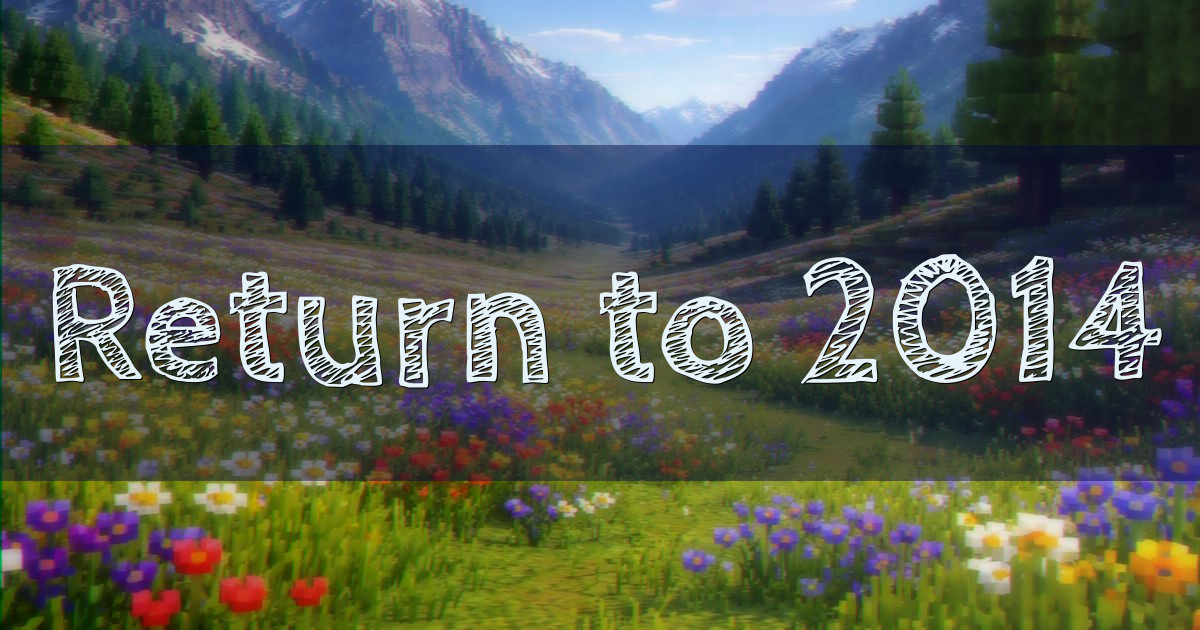 0/50OnlineReturn to 2014 is a 1.7.10 survival server built for players who miss Minecraft before End Cities and before shields. The focus is simple and familiar: mine, build, and survive in a world that feels like the older days. We keep the…