Minewind Anarchy
Minewind is an open-ended survival world where we leave your adventure largely in your hands.
128 players online

Browse Minecraft servers related to Player Made Nations.
Player made nations servers turn survival into a political map. Instead of isolated bases, groups claim land, draw borders, set laws, pick leaders, and try to matter on a shared world. Over time you get recognizable places: capitals, highways, forts, trade towns, buffer zones, and frontiers people reference like landmarks.
The loop is steady and long-term: recruit, gather resources, build infrastructure, and hold territory. Most players start as citizens to get protection and direction, then move into running a town, managing a project, or organizing a militia. Building is not just cosmetic here; walls, roads, nether hubs, storage systems, and farms directly translate into safety, mobility, and influence.
Politics is the main content. Treaties, alliances, non-aggression pacts, trade deals, and shared infrastructure keep the server moving even when nobody is fighting. Access to routes and resources becomes leverage, and negotiations over borders and incidents can matter as much as any gear check.
When conflict happens, it is usually about territory and consequences, not random grief. Wars tend to start from broken agreements, competing claims, or control of chokepoints, and many servers use rules that define captures, sieges, and reparations so the map evolves instead of getting erased.
The feel is social and persistent. Your kit helps, but your reputation carries further. The best moments come from history stacking up: old capitals that declined, rebuilt districts after a loss, monuments that mark a win, and borders slowly shifting over months. If you like survival with stakes, organized group play, and real community politics, player made nations is where Minecraft starts feeling like a living world.
You can often start solo, but the format is built around groups, so solo players feel the pressure of borders and claims sooner. A common path is to live under a nation first, learn how territory and diplomacy work on that server, then branch into founding a town or a new nation once you have allies and a reason to hold land.
Most worlds use some kind of land control system, often chunk or region based, to prevent random edits and theft. Borders end up being part mechanics, part agreement, using things like rivers, ridgelines, roads, and forts as practical lines people can recognize and defend.
Usually politics-first. Even on PvP-forward servers, fights tend to serve a political goal like taking an outpost or forcing terms. On roleplay-leaning servers, wars still happen, but they are more regulated and the focus stays on diplomacy, public decisions, and rebuilding.
The healthiest servers combine limits with culture. Claim caps, upkeep, and war rules can make overexpansion costly, and communities often push back on wipeout behavior. Smaller nations survive by choosing defensible terrain, forming alliances, specializing in trade or infrastructure, and staying active instead of stretching thin.
Show up consistently and finish projects. Builders, redstone and farm players, mapmakers, miners, and logistics people are the backbone of most successful nations. Even during war, the players moving supplies, repairing defenses, and keeping routes open often decide the outcome.
Minewind is an open-ended survival world where we leave your adventure largely in your hands.
Welcome to Gods & Kings, our semi-vanilla hardcore survival server where you choose how to make your mark.
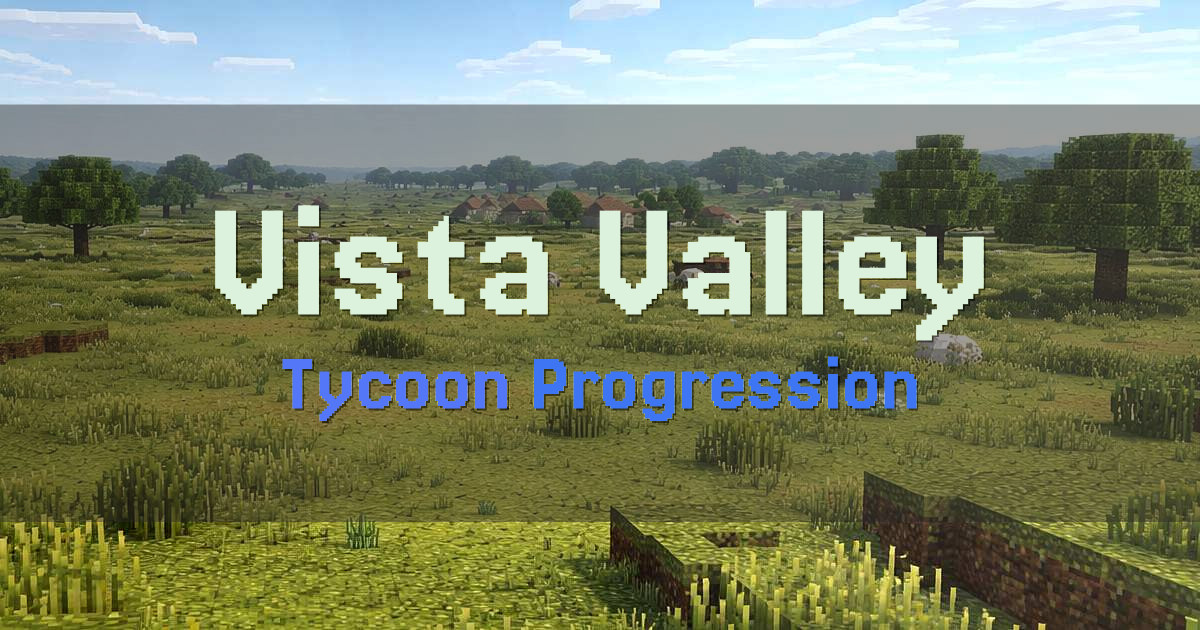
Build a lasting home and business on Vista Valley, our economy survival SMP set on a 1:500-scale Earth map.
Στον PGG Legacy συνδυάζουμε survival SMP με οργανωμένο roleplay σε έναν κοινό κόσμο για την ελληνική κοινότητα του Minecraft.
Welcome to Trials SMP, where we keep survival straightforward: build, explore, take on quests, and shape your own story in a shared…
Outpost Alpha SMP is a whitelisted, 16+ survival community for players who want a friendly place to build, explore, collaborate, and make…
Finality is a mostly vanilla Lifesteal SMP from the creators of Finality Hardcore, built for players who want survival progression with real…
At CivPlus, we build more than just blocks: our Java Edition world is shaped by the choices, alliances, and conflicts of its…
Vanilly SMP is a family-friendly survival community where we build together, explore at our own pace, and create a world worth coming…
Build a lasting home on Towny Reborn, our community-driven survival server set on a custom 1:500-scale map of Earth.
Cozy Craving is a long-term Java survival world built for players who enjoy cooperative building, exploration, and steady progression close to vanilla…