Minewind is a survival server built around choosing your own path and hunting down powerful loot that fits your play style. Find a wide variety of gear in chests across the world, trade with villagers for emeralds, and take on dangerous mon…
Quickplay
Quickplay servers are built for instant matches. You choose a mode, queue, and get pushed into a running arena or the next fresh round as soon as a slot opens. The design goal is momentum: minimal lobby friction, short queues, and rounds that start fast and end cleanly.
The loop is straightforward: spawn, grab a kit or quick-start gear, play the objective, see the result, then re-queue with a click. Stats and streaks exist, but they are meant to be readable and motivating without turning the server into a long grind. A ten minute session still feels like real play, not waiting around.
Most quickplay networks run compact PvP and arcade-style games where rules are familiar and maps load quickly. Matchmaking, backfill, and rotating playlists keep servers populated and keep you moving, with party queues so groups can chain games together.
The vibe is social without obligation. It is easy to solo-queue, dip after a couple rounds, or spam games with friends. Quickplay works best when you want action and variety on demand, not a persistent world you have to maintain.
How is quickplay different from a classic minigame hub?
The difference is friction. Quickplay prioritizes matchmaking and continuous rounds, so you spend your time in games, not walking a hub, hunting for open signs, or sitting through long pre-game routines.
Does quickplay usually include ranked matchmaking?
Sometimes. Many servers offer both: a fast, mixed-skill queue for constant games and a ranked or duel queue with tighter matchmaking for players who want more serious rounds.
Is there progression in quickplay?
Usually light progression like cosmetics, titles, ratings, or a small set of unlocks. The point is replayability and identity, not building power over weeks.
Can parties stay together across multiple matches?
On most quickplay servers, yes. Party systems are central: the leader queues once, and the group is carried into matches together, often with auto-queue into the next round.
What makes a quickplay server feel good to play on?
Consistent queue times, stable performance, and clean game flow. Because rounds are short, lag, slow map loads, and weak anti-cheat are more noticeable than on slower formats.
-
-
2
 110/300OnlineWelcome to Vulengate, a community focused survival server built for players who want to progress, build, and play at their own pace. Keep Inventory is enabled, and griefing or raiding is strictly prohibited so your time and creations stay p…
 -
3
 38/300OnlineTrappedMC is a modern take on the classic prison experience for players who miss OG-style progression and want a server that values community over pay-to-win shortcuts. We focus on a balanced grind with meaningful progression, aiming for a…
 -
4
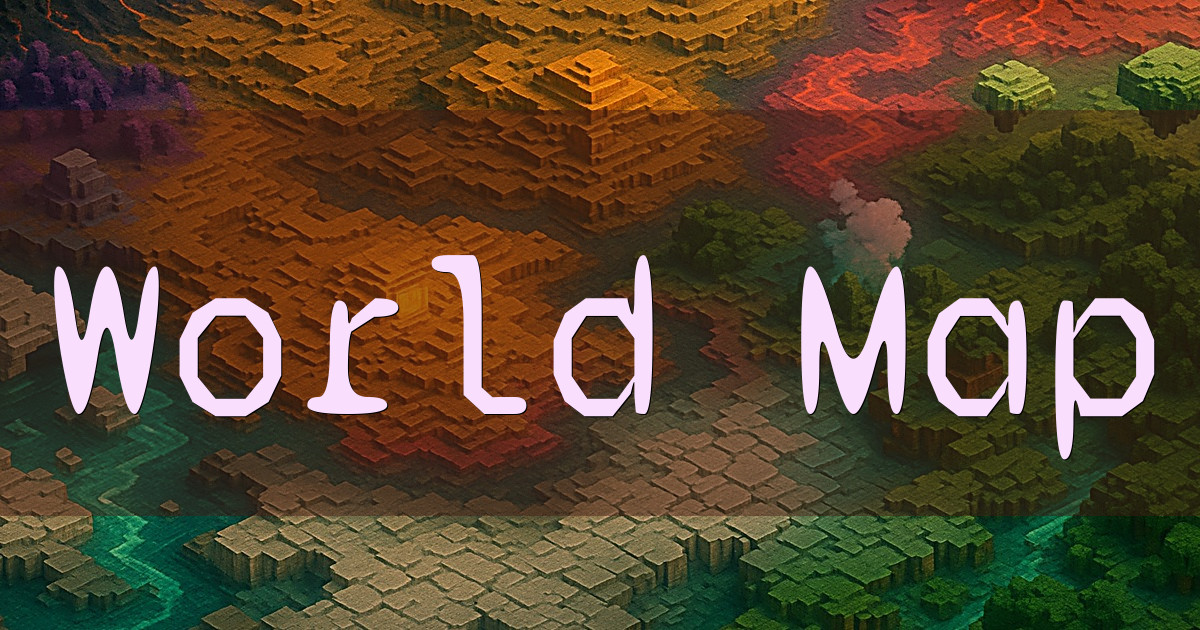 17/200OnlineRulerCraft is an Earth-based Towny server built around a full-scale world map with all continents, varied biomes, and ores. Start your own town and grow it into a nation, or join an existing group and help expand its territory and influence…
 -
5
 14/200OnlineWelcome to Evolved Survival. We recently reset for a new season and focus on a survival experience built around a player-driven economy. Set up and trade with other players, use public farms, and protect your builds with land claiming. We r…
 -
6
 9/80OnlineWelcome to The Mushroom Co. Survival, a friendly small survival server run by a close knit community of helpful players and staff. Our goal is simple: provide a great survival experience while supporting different play styles. We run Factio…
 -
7
 6/1000OnlineAnarchySMP is a no-rules anarchy survival server where PvP is always on and the world will never reset. The experience is intentionally open-ended and unstructured, so you can build, raid, ally, or destroy without protections or claim syste…
 -
Aegea is a semi-vanilla Spigot SMP focused on a close-knit community, building over time, and simple quality-of-life features. We run a light plugin setup with helpful commands like /help to see what’s available, /back to return to your dea…
-
9
 2/500OnlineWelcome to Side Realms, a Minecraft server community for SkyBlock, Survival, and Factions, with a strong focus on regular events. We run multiple events every week, including UHC and Bingo, plus monthly contests to keep things fresh and com…
 -
We built a CS:GO-style experience inside Minecraft with a close 1-to-1 feel and both Quickplay and Competitive matchmaking. To keep matches running smoothly, we include fully functional bots that fill empty slots so teams don’t end up uneve…