Minewind is a survival server built around choosing your own path and hunting down powerful loot that fits your play style. Find a wide variety of gear in chests across the world, trade with villagers for emeralds, and take on dangerous mon…
Risk mechanics
Minecraft servers with risk mechanics make decisions carry meaningful consequences. Depending on the server, players may risk items, currency, territory, progress, or safety by entering dangerous areas, taking on high-level challenges, transporting valuable resources, or engaging in PvP. The exact system varies, so risk may involve permanent loss, recoverable setbacks, or only temporary penalties.
These mechanics commonly appear in survival, PvP, factions, prison, RPG, and extraction-style servers. The gameplay loop often involves preparing equipment, deciding how much value to carry, identifying when to retreat, and balancing safer income against more profitable but dangerous activities. Server rules should clarify whether deaths cause item drops, inventory loss, durability damage, money penalties, or protection through claims and keep-inventory settings.
Check how a server defines risk before investing time or resources. Important details include whether losses are avoidable, how recovery works, which areas or activities are protected, and whether combat can be forced between players. Servers may also use cooldowns, insurance, banking, protected storage, or event-specific stakes to limit or increase the consequences.
What does “risk mechanics” mean on a Minecraft server?
It refers to systems where pursuing rewards exposes players to possible losses or penalties, such as dropped items, lost currency, failed progression, or PvP danger.
Do risk mechanics always mean permanent item loss?
No. A server may use temporary setbacks, money penalties, durability loss, recoverable drops, or other consequences instead. Check its death and recovery rules.
Which Minecraft server types commonly use risk mechanics?
They are common in survival, PvP, factions, RPG, prison, and extraction-style servers, although the specific risks differ between implementations.
What should I check before joining a server with risk mechanics?
Review PvP rules, death penalties, item recovery, protected areas, claims, keep-inventory settings, and whether valuable resources can be lost permanently.
-
-
2
 12/200OnlineEarthSMP is a custom Earth server built to give players a fun, high-quality multiplayer experience. We focus on smooth gameplay, a friendly community, and an active owner team that keeps adding new things so the server stays fresh and excit…
 -
3
 11/40OnlineEcoSMP is a cross-platform semi-vanilla survival server built around long-term worlds, balanced gameplay, and a genuine community with no server resets. We keep things intentionally family-friendly and held to high standards, with a focus o…
 -
The Pen is a classic Prison server built around the slower, more rewarding grind of older prison gameplay. Start with simple mining, manually smelt your resources, and make the risky journey through PvP zones to sell at the Commissary. Prog…
-
WillowSMP is a cozy semi-survival Minecraft server built for players who want a relaxed place to play and connect with others. We focus on friendly community, peaceful building, world exploration, and the kind of adventures that make a worl…
-
6
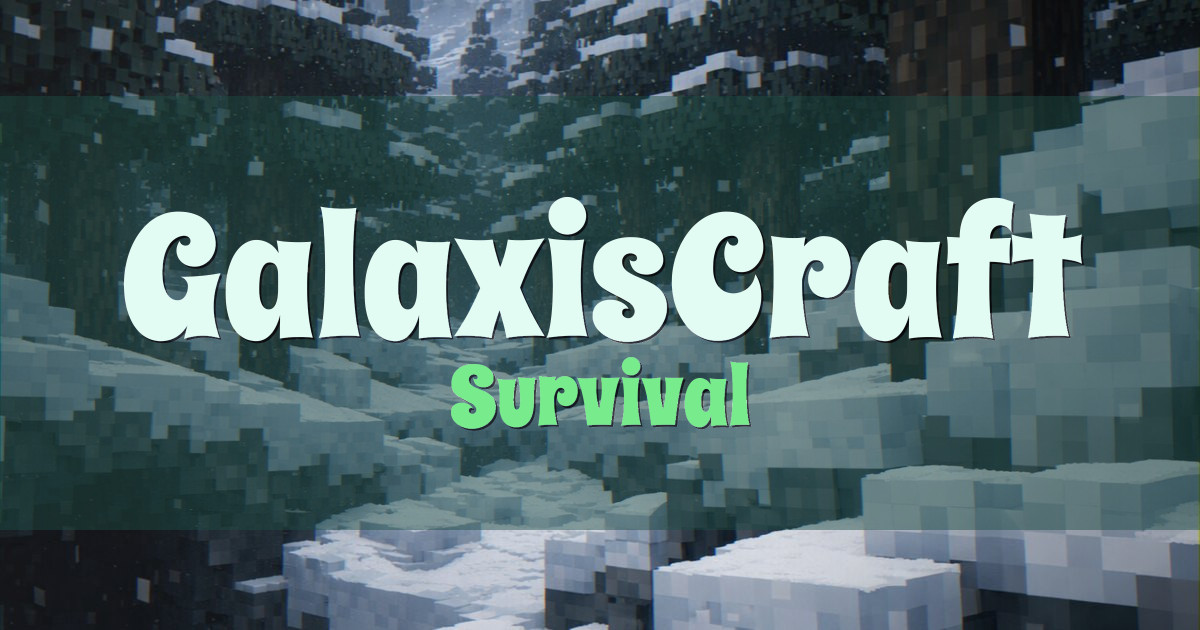 5/99OnlineGalaxisCraft ofrece una experiencia survival para Minecraft Java Edition 1.21.11, con un resource pack personalizado que incorpora nuevos modelos y texturas sin necesidad de instalar mods. El objetivo es disfrutar de una aventura fluida, in…
 -
En Oxaly Network, cada jugador puede construir su propia historia y avanzar a su ritmo. Disfruta de una experiencia de supervivencia con economía y PvE, donde cada paso y cada logro tienen su importancia. Encuentra tu lugar, conoce a otros…
-
8
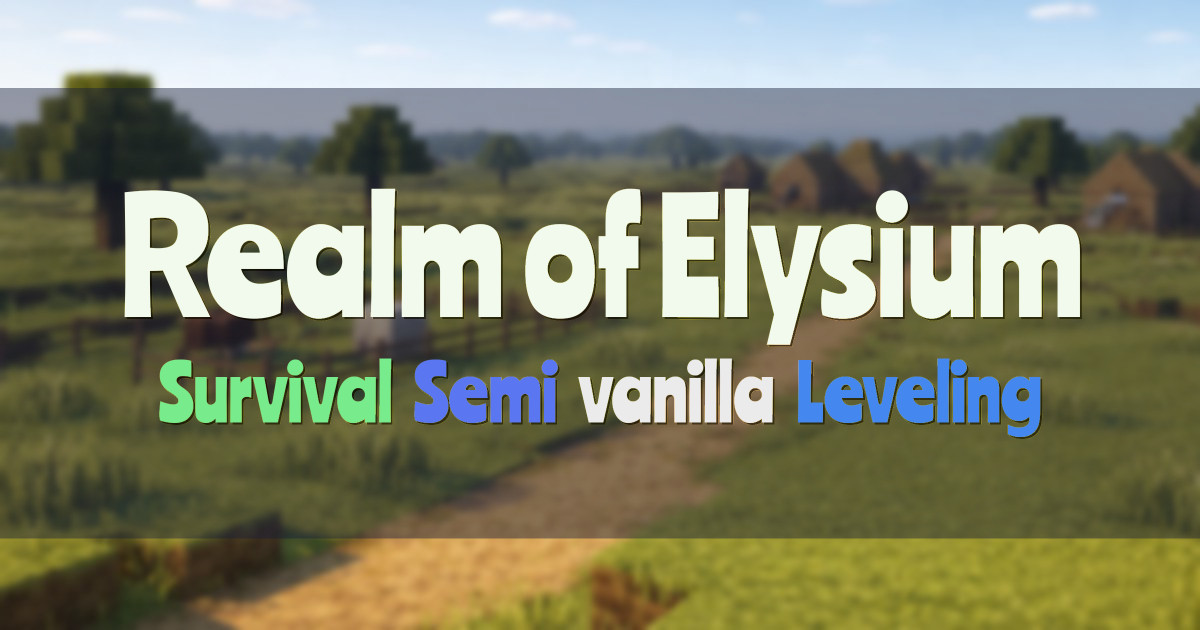 4/75OnlineWelcome to the Realm of Elysium, a semi-vanilla Java Edition survival multiplayer server inspired by Greek mythology. Our core feature is a gameplay-focused level progression system. You earn perks by building up playtime, McMMO levels, and…
 -
9
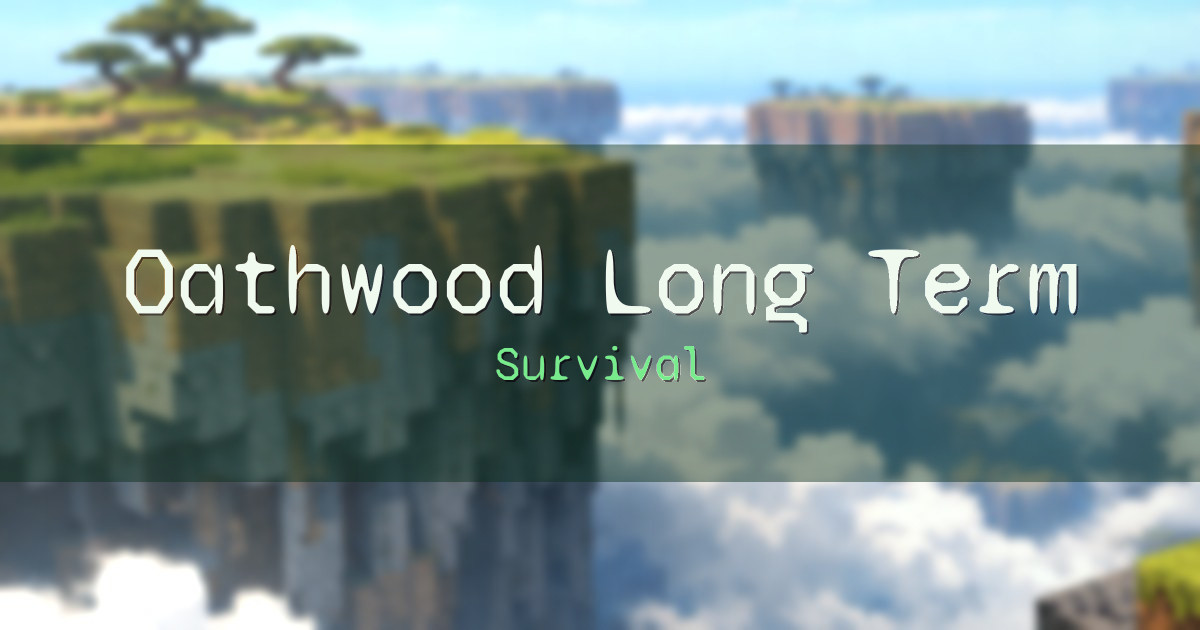 2/40OnlineOathwood is a long-term survival world shaped by the people who play here. Towns grow, trades develop, and stories unfold over time, with progress earned through real effort rather than handed out. Whether you enjoy building, exploring, tra…
 -
Dobrodošel na SloCraft, prijetnem Minecraft serverju, kjer se lahko sproščeno družiš in igraš z drugimi. Na voljo ti je SMP način igranja, kjer lahko gradiš, raziskuješ, preživiš in ustvarjaš skupaj s skupnostjo. Poleg SMP-ja pri nas najdeš…
-
LeztusaSmp is an economy-based Minecraft server focused on competitive PvP and long-term progression. Supporting versions 1.18 through 1.21.x and currently running 1.21.11, it offers broad client compatibility for players who want to compet…