Minewind is a survival server built around choosing your own path and hunting down powerful loot that fits your play style. Find a wide variety of gear in chests across the world, trade with villagers for emeralds, and take on dangerous mon…
Roleplaying
Roleplaying servers treat Minecraft as a place to inhabit, not a puzzle to solve. You arrive as a character, speak and act in-character, and let other players, staff-run events, and server systems shape the response. The goal is a shared story where reputation, relationships, and choices carry weight, even when the mechanics are familiar.
The core loop is social. You meet people in town, find work, join a faction, start a shop, or chase a personal motive that creates scenes. A blacksmith might run a real storefront with posted prices. A guard might patrol roads, investigate theft, and de-escalate disputes. Mining, farming, and building still matter, but they serve the setting: supplies for a guild, materials for a public project, a farm that feeds the city.
Most roleplaying servers keep in-character and out-of-character talk separate so scenes stay readable and fair. Expect dedicated chat channels, name formatting, proximity chat, and emotes. Many worlds add regions, locks, currency, and trade rules to give roleplay consequences and to make spaces feel owned and lived in.
Conflict exists, but it is usually structured. PvP and crime typically follow setting logic, consent rules, declarations, or staff arbitration, because random killing breaks the social contract that makes roleplay work. When it clicks, the world gains memory: old rivalries, rebuilt districts, changing leadership, and landmarks that mean something because players were there when it happened.
Do I need acting experience to play on a roleplaying server?
No. You only need a consistent character voice and a simple direction. Start with everyday scenes: buying food, asking for work, offering help on a build, or introducing yourself at a tavern. Clear intent beats theatrical performance.
What is the difference between light roleplay and serious roleplay?
Light roleplay is flexible: more out-of-character chat, fewer hard expectations, and roleplay that comes and goes. Serious roleplay expects you to stay in-character most of the time, follow setting lore, and treat consequences and conflict rules strictly. The main difference is social commitment, not mechanics.
Is PvP allowed on roleplaying servers?
Often, but it is rarely the primary loop. Many servers require a story reason and enforce systems like war declarations, bounties, duels, or staff-mediated outcomes. The intent is conflict that creates scenes, not surprise kills that end them.
How do servers keep lore from overwhelming new players?
Good communities keep the essentials short and actionable. You will usually get a brief setting primer, a town guide, or a starter group that explains local laws and customs. Deeper history is there for people who want it, not as a gate.
What should I read before joining a roleplaying server?
Focus on the rules that affect fairness in scenes: in-character chat expectations, metagaming, griefing, theft, and how conflict is initiated and resolved. If there is a setting doc, skim the basics so your character fits without needing an encyclopedic backstory.
-
-
2
 23/100OnlineLegendaryHardcore is a permanent-death, deathban survival server built for players who want real stakes. The world never resets and there are no revives, so every life, base, and alliance becomes part of a long-running history. We keep the…
 -
3
 10/100OnlineEnvy Block is a premium, community-driven Minecraft network built for players who want polished gameplay, depth, and long-term progression. We focus on thoughtful design, strong performance, and frequent updates across all of our servers, w…
 -
4
 8/1987OnlineWelcome to the FNaF Sister Server, a reboot of the original community from 2017. Our old community came back together to rebuild everything from the ground up. Explore meticulously rebuilt and restored locations, including classic maps like…
 -
5
 6/2727OnlineWelcome to HoloCraft, a small but welcoming Hololive-inspired Minecraft fan server built by fans, for fans. Whether you want to relax, grind dungeons, or just hang out with friends, we focus on keeping the experience chill and enjoyable. We…
 -
6
 6/30OnlineJava Survival is a multiplayer server dedicated to a legitimate Minecraft experience where every build is earned. Every block you see has been mined and placed by hand. We keep gameplay close to vanilla without relying on the usual plugin b…
 -
7
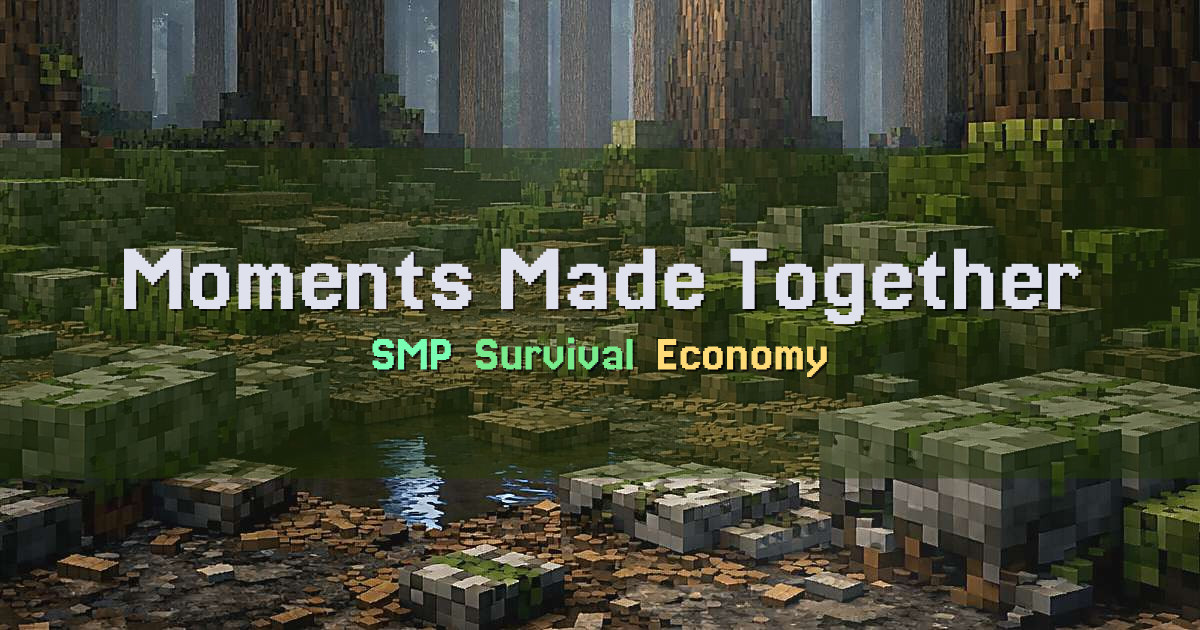 5/200OnlineMoments Made Together (MM) is a survival multiplayer (SMP) Minecraft server located in Manila, Philippines. It started as a project by MrchntKale to explore Linux system administration, then was opened to the public for testing and has been…
 -
Beocraft is a long running, Hermitcraft-like vanilla survival SMP on Fabric. We’ve been operating in one form or another for around 8 years, focused on a relaxed place to enjoy classic survival and build for the long term. Our world is buil…
-
Chào mừng bạn đến với Mine67, một server Survival tiếng Việt tập trung vào trải nghiệm PvE và chơi cùng cộng đồng. Tại đây bạn có thể khám phá hệ thống enchantment, tham gia đánh boss, vượt dungeon, và hòa mình vào…
-
TFMC is a vanilla Minecraft roleplay server for players who want their choices to matter. No mods required. Just join, step into character, and help shape a world that changes over time. Our setting blends medieval, fantasy, and steampunk t…