Minewind Anarchy
Minewind is an open-ended survival world where we leave your adventure largely in your hands.
285 players online

Browse Minecraft servers related to Sky Island Builds.
Minecraft servers focused on sky island builds usually place players on floating islands with limited space and resources. Depending on the server, you may begin with a small island and expand it through resource generation, challenges, trading, or cooperation. Some communities emphasize survival progression, while others provide creative plots, build showcases, or themed island competitions.
The main appeal is designing a functional and attractive base in a constrained environment. Players often build farms, storage systems, bridges, shops, mob areas, and large decorative structures while managing island space and access. Multiplayer rules vary: some servers allow island teams and trading, while others separate players into personal islands or add PvP zones away from protected builds.
Check whether a server uses Skyblock-style progression, free building, or a hybrid format before joining. Useful details include island reset rules, team size, available building materials, grief protection, version or platform support, and whether visitors can view or rate completed islands. Servers with active building communities may be a better fit if you want inspiration and feedback rather than only resource grinding.
They are player-created bases and structures built on floating islands, often within Skyblock survival, creative, or island showcase servers.
Either is possible. Survival-oriented servers add resource limits and progression, while creative servers usually provide easier access to blocks and focus on design.
Often, but team sizes and island permissions depend on the server. Check whether cooperative islands, visitor access, and shared inventories are supported.
Look for the server’s island progression, reset policy, protection settings, team limits, supported edition and version, and whether it offers build contests or island showcases.
Minewind is an open-ended survival world where we leave your adventure largely in your hands.
Welcome to The Poke Isles, our public Cobblemon server built on the Cobbleverse foundation.
At Pandaville, we’re building a community-driven Minecraft world you can settle into for the long haul.
At NovaVoid, every player is a cat: our custom 3D models have their own animations, so you’re not just wearing a cat…
Welcome to Yozza SMP, a survival server where Java and Bedrock players can play together.
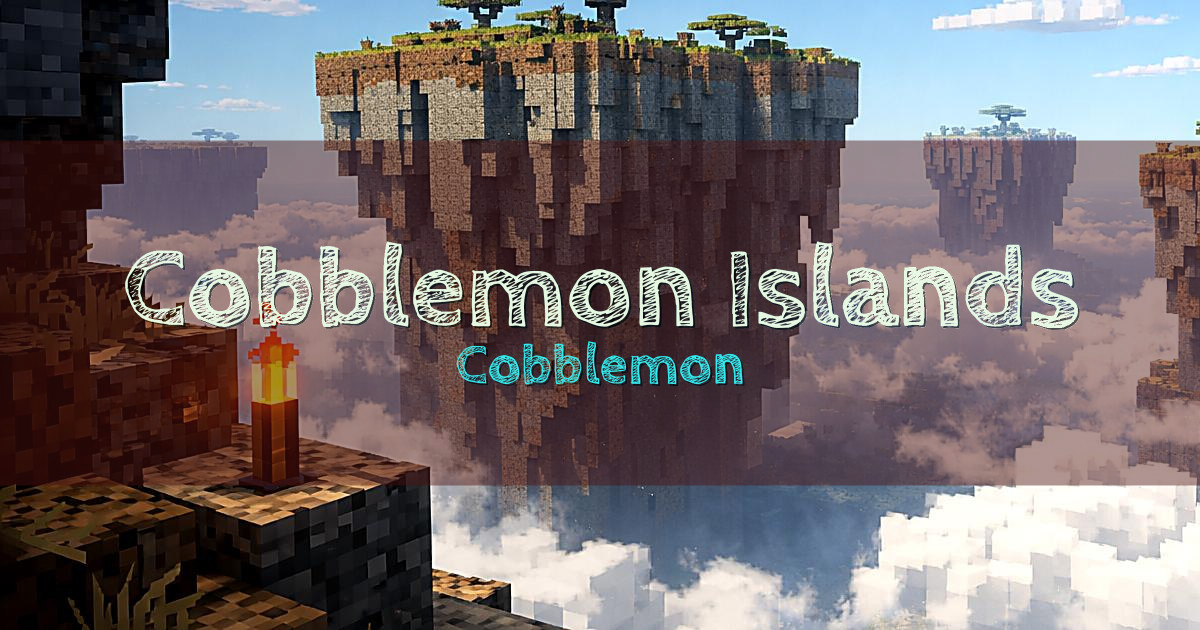
Welcome to Cobblemon Islands, our Java Edition Cobblemon server built around exploring custom islands, catching Pokémon, and battling with other Trainers.
At Daedric Networks, we give your island a big journey that starts with a single block.
Welcome to Frosthold, a Minecraft network where community, competition, and long-term progression go hand in hand.
Hack The Planet brings Prominence II: Hasturian Era to a large, carefully optimized modded survival world with more than 300 curated mods.
Join MironMC for a Cobblemon adventure built around exploring, collecting Pokémon, and making progress with other players.
At Cobblemon.gg, we bring Pokémon collecting and battling into a custom Minecraft Java adventure.