Minewind is a survival server built around choosing your own path and hunting down powerful loot that fits your play style. Find a wide variety of gear in chests across the world, trade with villagers for emeralds, and take on dangerous mon…
Social roleplay
Social roleplay servers use Minecraft as a social stage. The main activity is staying in-character with other players: meeting in town, starting conversations, running a business or group, and letting small moments turn into ongoing story. Progress still exists, but it is usually structured so it does not interrupt scenes or dominate play.
A typical session feels like dropping into a familiar neighborhood. You log in to a settlement with consistent hangout spots and recognizable regulars. People chat, linger, and drift into scenes naturally. You might stop by a shop or venue for a quick interaction and end up pulled into something bigger, like a community event, a public disagreement, or a long-running rivalry between groups.
Building matters because it gives characters roots. Homes, storefronts, and venues are designed for identity and atmosphere more than efficiency. Many servers rely on claims or plot systems so spaces stay intact and roleplay can stay focused. Economy and items, when used, tend to exist for grounding and stakes: stocking shelves, paying rent, funding a public build, or tipping a performer.
The culture is typically cozy, character-focused, and consent-aware. Good social roleplay is collaborative: you play your part, leave room for others, and avoid forcing outcomes. Common expectations include keeping public chat in-character, using a separate place for out-of-character coordination, and checking boundaries before escalating conflict, romance, or high-impact story beats. You do not need a complex backstory; a clear concept and a reason to be around people is usually enough.
Do I need to be good at acting to join?
No. Most players keep it straightforward: speak in your character’s voice, respond to what is happening, and stay consistent. Many communities welcome light roleplay where you are essentially yourself with a name, a few traits, and an in-world reason to be there.
What do players actually do on an average night?
They spend time in public spaces, visit shops, decorate or expand personal builds, and follow social threads that form naturally. One evening might be casual conversation, and the next might be planning a festival, dealing with a neighbor dispute, or getting recruited into a group’s ongoing storyline.
How is conflict handled in social roleplay?
Usually through consent and moderation. If crime, PvP, or serious drama is allowed, it is typically opt-in with rules about power balance and consequences. Many servers keep conflict non-lethal or heavily constrained so it stays story-driven instead of turning into harassment.
How do I join scenes without butting in?
Start in shared areas and open with a small in-world prompt: ask about an item, comment on a build, introduce yourself as new, or offer help. If a group is deep in a scene, wait nearby and join when acknowledged, or ask out-of-character if they are open to someone entering.
What chat rules should I expect?
Most servers separate in-character and out-of-character communication. Public channels are often expected to stay in-character, while OOC is used for questions, clarification, and boundary checks. Commonly enforced basics include no metagaming, no controlling other players’ outcomes, and no using roleplay as a cover for bad behavior.
What plugins or mods are common on these servers?
Tools that protect builds and support communication show up often: claims or plots, IC and OOC chat channels, cosmetics or emotes, and sometimes a simple economy. Some communities use voice chat for smoother scenes, but text-only play is still standard.
-
-
2
 55/500OnlineWelcome to HayCube, a laid-back, player-driven Minecraft community where you can play solo or bring your friends. We currently offer a simple Survival SMP experience alongside a Creative server, with more planned for the future. HayCube sup…
 -
3
 33/34OnlineGrand Theft Minecart brings a Grand Theft Auto style experience into Minecraft, built around a custom city world and progression that rewards time spent exploring, fighting, and building your reputation. Jump into MineSantos, Sanktburg, or…
 -
4
 23/999OnlineLimitless Network is a Survival SMP built for players who want a steady long term world with room for both chill progression and conflict. We support Bedrock and cross play, with version support back to 1.9, so it’s easy to bring friends…
 -
5
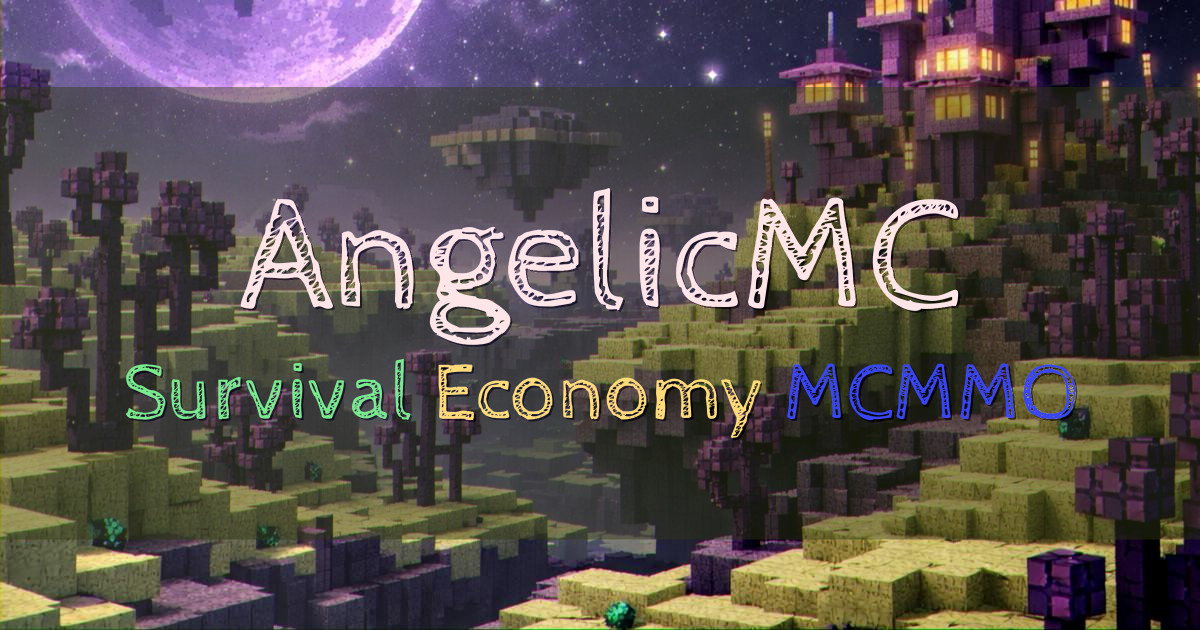 17/2026OnlineAngelicMC is an enhanced Survival server built for long-term, community-driven gameplay. Compete on leaderboards, create and manage player shops, and take part in a thriving player-driven economy. Protect your builds with land claims, progr…
 -
6
 9/50OnlineOrianaMC is a semi-vanilla, survival-focused SMP for players who want the core Minecraft experience to stay intact, with a few carefully chosen additions that make long-term play better. We keep things grounded while still offering quality-…
 -
7
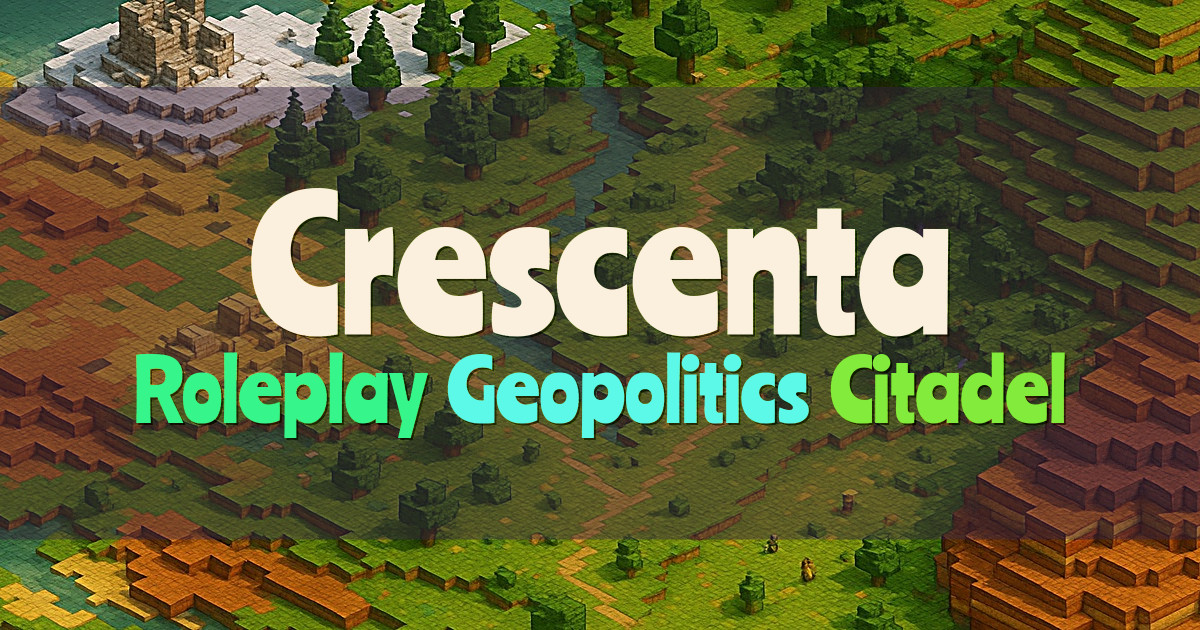 9/48OnlineCrescenta is a long-running worldbuilding, storytelling, and geopolitical roleplay server built around a mature community and player-driven stories where your choices can meaningfully change what happens next. Our current world, Gary, is ab…
 -
8
 9/200OnlineSunflower SMP is a friendly, safe, and relaxing place to play Survival with a community-first focus. We keep things welcoming and low-stress with keep-inventory and a selection of cute cosmetics. Settle in and build with land claiming, take…
 -
9
 3/100OnlineHallowed Fantasy is a Cobblemon survival server built around a hand-crafted fantasy Pokémon region made for exploration, custom builds, and regularly updated content. Catch and battle with a nearly complete Pokédex, including every Legendar…
 -
MCBEGEDIS.LT is a Lithuanian Minecraft server built for players who want clear, easy-to-understand gameplay with plenty to do. Our goal is simple: bring a large, friendly, active community together in one place. Whether you enjoy BoxPvP and…