Minewind is a survival server built around choosing your own path and hunting down powerful loot that fits your play style. Find a wide variety of gear in chests across the world, trade with villagers for emeralds, and take on dangerous mon…
Test server
A test server is a public staging world where a network tries changes before pushing them to the main server. It runs like a real multiplayer server, but with a different social contract: progress is disposable, resets are expected, and the goal is to find problems early. You log in assuming restarts, rough edges, and the occasional rollback because stability is not the point yet.
The gameplay loop is simple: get access to the new thing, push it hard, then report what breaks. That can mean stress testing a new minigame map with a full lobby, probing edge cases in claims and permissions, checking whether an economy tweak can be abused, or running a mob farm long enough to see TPS drop. Public testing matters because real players create the weird timing, interactions, and exploits that private checks miss.
Most test servers speed you toward the scenario being tested. Expect kits, boosted rates, temporary permissions, or quick teleports so you can reach the relevant content without hours of grinding. Some mirror production settings for realistic data, but they still keep the freedom to wipe inventories, reset worlds, and swap versions on short notice. If you enjoy tinkering and writing clean bug reports, it can be a satisfying place to play. If you want long-term progression, it will feel temporary because it is designed that way.
Will my progress carry over to the main server?
Usually no. Test servers commonly wipe worlds, inventories, and stats. If anything carries over, it is typically cosmetics or a small participation reward, and staff will state it explicitly.
Why are there so many restarts, hotfixes, or rollbacks?
Because the server is actively changing. Staff are swapping plugin builds, adjusting configs, collecting performance data, and undoing broken states so testing can continue.
Is it okay to try exploits or break things on purpose?
Often yes, if you do it to reproduce an issue and report the steps. What is not acceptable is using exploits to harass players, trash shared areas, or hide findings. Each server sets its own boundaries, so read their testing rules.
What feedback is actually useful?
Anything staff can reproduce: the exact steps, what you expected, what happened, and when it occurred. Add coordinates, your kit or permissions, how many players were nearby, and whether it was after a restart. A short clip helps, but clear reproduction steps matter most.
Is a test server less safe to join than a normal public server?
Not inherently. Treat it like any public server: use a reputable launcher, keep your account login to the official Minecraft flow, and avoid sketchy client downloads. Testing can be less polished, but it does not automatically mean less secure.
-
-
2
 113/500OnlineWelcome to Zoned, a dangerous world built around exploration and progression. Venture out to discover unique zones, each with its own challenges and rewards. Fight powerful monsters as you push into tougher areas, gather rare resources, and…
 -
3
 103/300OnlineWelcome to AllaySMP, a crossplay Minecraft server where Java and Bedrock players can play together. Build your place in a competitive economy, trade with others, and grind your way up through ranks with exclusive perks. Unlock custom kits a…
 -
4
 23/500OnlineLandlock is our take on the classic OneBlock experience, built around the simple idea of starting from a single block and progressing as it changes through phases of the game. As you mine, the block evolves and opens up new possibilities fo…
 -
Ravencraft is a semi-vanilla survival multiplayer server for grown-ass adults who enjoy building, exploring, experimenting, and creating together. We run a community-oriented SMP with friendly mods who have worked together for years, plus a…
-
6
 7/300OnlineWelcome to FleaMC, a family-friendly survival server for players who want a relaxed place to play, with plenty of depth to explore. We support cross-play for both Java and Bedrock, so friends can join together without needing the same editi…
 -
7
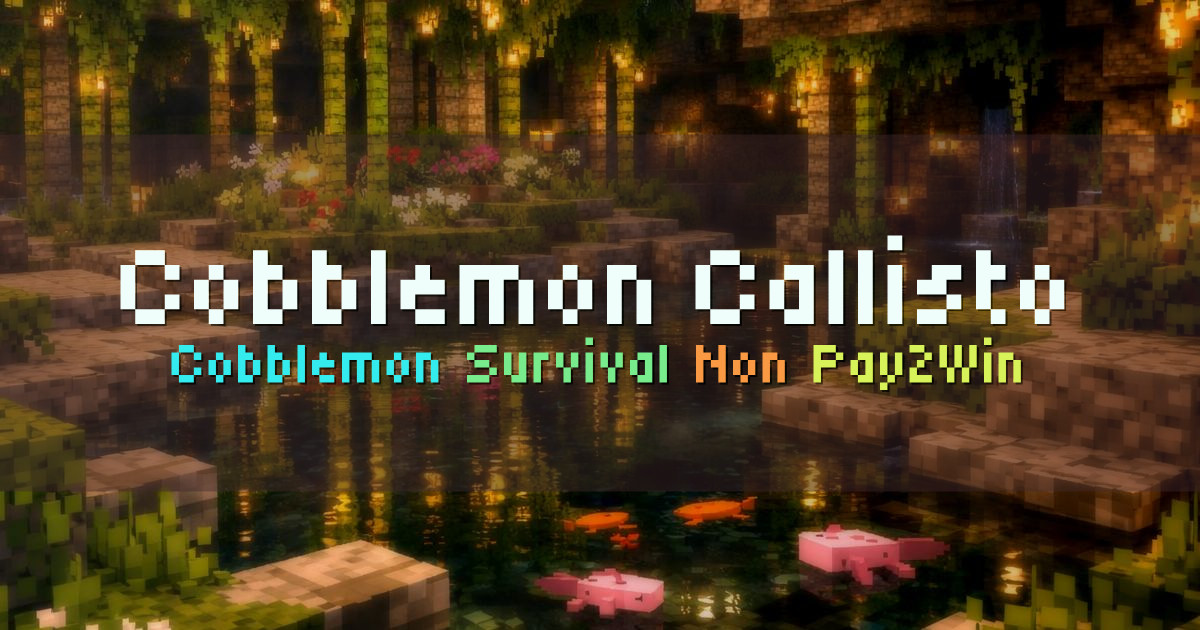 6/100OnlineWelcome to Cobblemon Callisto, a Non-Pay2Win survival server built from the ground up for a long-term, community-focused Pokémon adventure. Our main worlds are designed to last with no planned wipes, and we’re building Callisto with plenty…
 -
Welcome to Floreon, a Philippine-based Minecraft survival server designed for calm, peaceful play. We focus on a relaxed SMP experience where you can build, farm, and progress at your own pace. If you enjoy taking your time and settling int…
-
9
 0/20OnlineWe’re running a Minecraft Paper 1.21 Survival server in the UK (Azure UK South) and we’re inviting players to join and help us stress-test the infrastructure. If you enjoy jumping on fresh servers and giving performance feedback, we’d love…
 -
SMPEarth began as a private, whitelisted Survival Multiplayer server built around a custom-generated 1:3000 scale map of the Earth. It originally launched in November 2019 for a group of popular Minecraft creators and streamers, and the ser…