Minewind is a survival server built around choosing your own path and hunting down powerful loot that fits your play style. Find a wide variety of gear in chests across the world, trade with villagers for emeralds, and take on dangerous mon…
Community history
Community history servers revolve around continuity. The draw is a world where past choices stay visible and matter socially: an old nether hub still in use, a starter town kept as a museum, a player name that comes with context because people remember what they built, traded, or damaged months ago.
The gameplay loop is joining a timeline already in progress and finding your place in it. New players typically get oriented through established infrastructure like roads, rails, portal networks, shopping districts, public farms, and shared utility builds. The satisfying part is contributing something that others will use, improve, and reference later, not just racing personal progression.
Because the world is meant to be remembered, stability and trust are treated as core features. Rules are usually explicit about building near existing areas, shared resources, and theft or grief. Many servers keep some form of accountability, plus lightweight documentation like map archives, changelogs, or event posts, so the world feels like chapters instead of constant wipes.
The pace tends to be slower and more social than competitive formats. Players spend time touring, telling stories, and collaborating on builds designed to outlast the original builders: spawn renovations, city districts, memorials, transit upgrades, and long-term public projects. Even joining late is part of the appeal, because you are stepping into a place with landmarks, scars, and inside jokes, and your footprint can become part of the record.
Do community history servers wipe their worlds?
Infrequently. Many avoid full resets to protect landmarks and long projects, but they may expand the world border, prune unused chunks, or run separate resource areas for gathering so the main world stays intact.
What should I do first on a server with a lot of history?
Tour spawn and the main travel routes, then check any guidance on where new builds are welcome. Put down a small, tidy starter base, use public farms and portals responsibly, and contribute a small upgrade that helps everyone, like lighting a path, extending a nether tunnel, or repairing signage.
How is this different from a typical SMP?
It often uses the same survival foundation, but the emphasis shifts from a fresh start to persistence. Older builds and past events are treated as active gameplay, and the server culture assumes you will build with the long view.
How do these servers keep long-term projects safe from griefing or theft?
They usually lean on clear rules and accountability, often with logging and rollback tools and sometimes claims in key areas. The point is to make it safe for players to invest hundreds of hours without feeling like everything can be erased overnight.
Will I be behind if the server has been running for years?
Gear is rarely the main barrier. Established villager trading, farms, and shops can get you caught up fast. The real catch-up is learning the map, ongoing projects, and local norms, and long-running communities are typically practiced at onboarding late arrivals.
-
-
Welcome to Rtrix, a multi-mode server focused on PvP practice and competitive fights, with several game modes to switch between depending on what you want to grind. In Practice and Modern Practice you can queue for kit fights in 1v1 or 2v2…
-
3
 17/200OnlineSunflower SMP is a friendly, safe, and relaxing place to play Survival with a community-first focus. We keep things welcoming and low-stress with keep-inventory and a selection of cute cosmetics. Settle in and build with land claiming, take…
 -
4
 15/48OnlineCrescenta is a long-running worldbuilding, storytelling, and geopolitical roleplay server built around a mature community and player-driven stories where your choices can meaningfully change what happens next. Our current world, Gary, is ab…
 -
3b3t is an anarchy Minecraft server that has been running since January 2021, with a major split into two twin worlds in November 2024 so players can see how they develop differently. Our No Hax Anarchy world runs on a no-hacking setup…
-
6
 7/80OnlineMysticLand es una network de Minecraft para Java y Bedrock con 3 modalidades disponibles, pensadas para distintos estilos de juego. En Elite encontrarás mazmorras, estructuras, armaduras especiales y mobs con mayor dificultad, además de sis…
 -
7
 6/100OnlineMineRealm is a long-running public SMP that has been online since 2010, with a welcoming community built over years of survival gameplay and over 265,000 players having joined. We keep the experience grounded in 100% legit survival with no…
 -
8
 6/2026OnlineMofuCraft is a Japan-based Minecraft Java server focused on a vanilla-style survival experience with an economy, MCMMO, minigames, PvE, and optional PvP. Standout features include a casino, pets that can accompany you, a four-seasons system…
 -
9
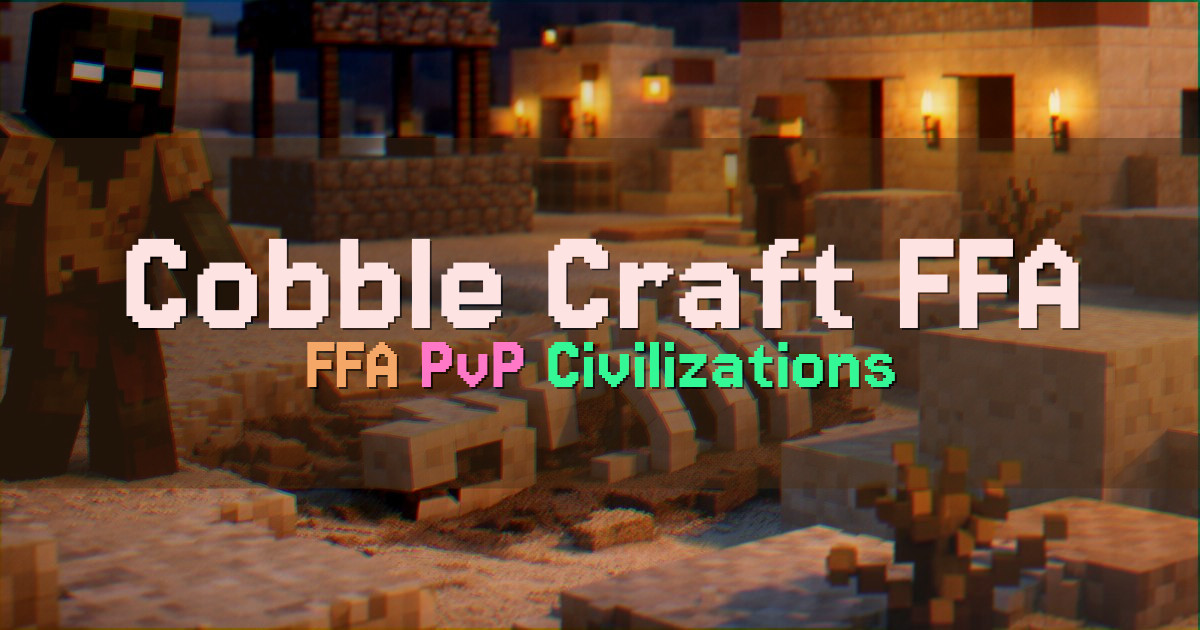 0/60OnlineCobble Craft is a Minecraft FFA server built around fast PvP and a community that keeps growing every season. We run new seasons every few months, and each reset comes with a revamp and new features to keep the experience fresh. Whether…
 -
PCSMP Pixel Craft Network is built for competitive players who want a chaotic, grindy survival experience with real stakes. Our core mode is Lifesteal SMP, where defeating other players lets you steal their hearts, and losing all your heart…