Minewind Anarchy
Minewind is an open-ended survival world where we leave your adventure largely in your hands.
210 players online

Browse Minecraft servers related to Custom Storyline.
Custom Storyline servers run Minecraft like an ongoing campaign. You are not just optimizing a personal grind; you are entering a setting with an active plot, named groups or characters, and events that advance when players engage. Worlds are typically built for narrative function: towns that support factions, dungeons tied to chapters, and landmarks that matter because objectives and consequences are attached to them.
The core loop is showing up and making decisions that become canon. Players follow leads through NPC dialogue, books, mail, quest prompts, or staff briefings, then commit to moments that change the server state: investigations, negotiations, heists, trials, expeditions, or wars. Combat, gear, and resources still matter, but mostly as stakes and tools in the story rather than the point of the server.
Structure comes from a mix of staff-led arcs and player-driven fallout. Staff may stage set pieces such as scripted fights, quest chains, timed world changes, or chapter gates, while players fill the gaps with planning, trade, politics, alliances, and misinformation. The format tends to be episode-based or seasonal, and it depends on reliability: consistent event cadence, clear lore expectations, and rules that prevent random griefing or RDM from overriding the narrative.
The feel sits closer to roleplay and tabletop-style campaigns than to open-ended survival. There is usually more conversation, coordination, and building to suit the premise. Some servers expect in-character play in specific areas or during scenes; others keep roleplay light and only ask that players respect the storyline during events.
Not always. Many servers only require you to follow the premise and take story events seriously, with optional or zone-specific in-character rules. If you participate in scenes and treat outcomes as canon, you will generally fit in.
Quest survival is usually about repeatable tasks and individual progression. Custom Storyline is about shared chapters with turning points and endings, where outcomes change the world state for everyone and future events build on what actually happened.
Look for recent recaps, a clear upcoming event schedule, and visible in-world changes tied to past chapters. Active servers can point to last arc’s outcome and what it unlocked, not just a lore document or a list of quests.
Good servers plan entry points: a short catch-up summary, starter roles or factions, and early missions that teach the current conflict. You may miss context, but you should still have ways to affect ongoing objectives and upcoming decisions.
It varies. Some use PvP as a controlled tool for wars or assassinations; others keep conflict mostly social and reserve combat for scheduled events or PvE. Either way, expect rules that limit random killing so the plot can function.
Minewind is an open-ended survival world where we leave your adventure largely in your hands.
At SkaiaCraft, we bring several ways to play together in one Minecraft community.
PokeFind brings Pokémon-inspired gameplay to standard Minecraft, with no mods required.
MineScape brings the classic Old School RuneScape experience into Minecraft as a full MMORPG adventure.
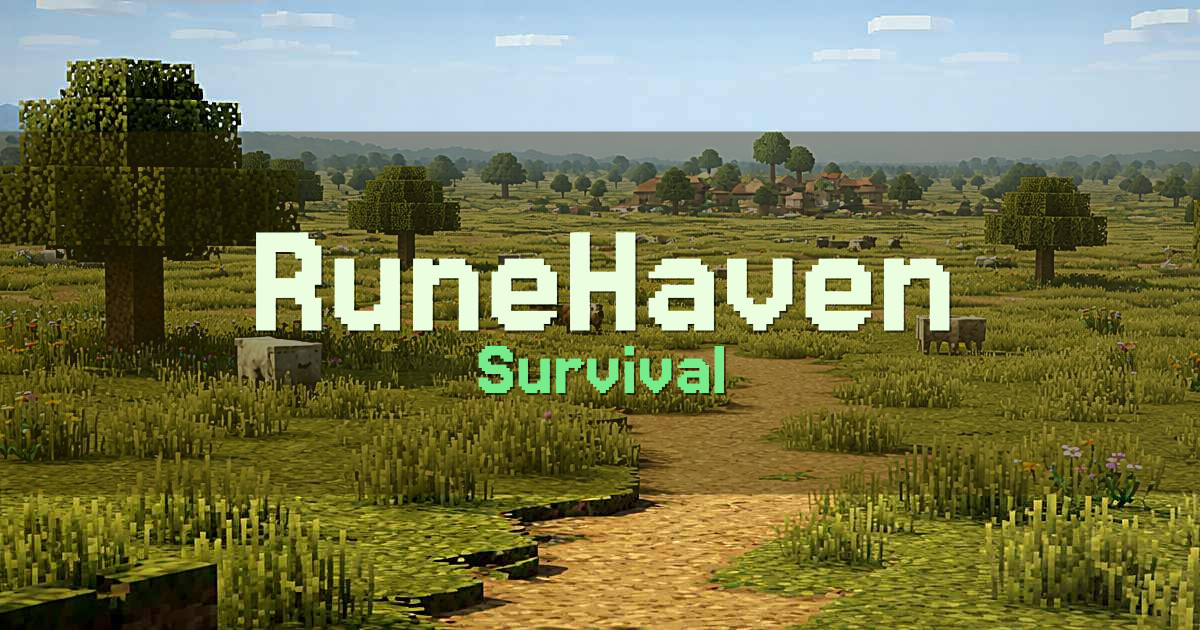
At RuneHaven, we build on familiar Minecraft survival with a medieval-fantasy feel and plenty of long-term goals.
Omniverse is a custom Minecraft network built around long-term progression, with Skyblock, Survival, and the round-based Outbreak zombie infection minigame.
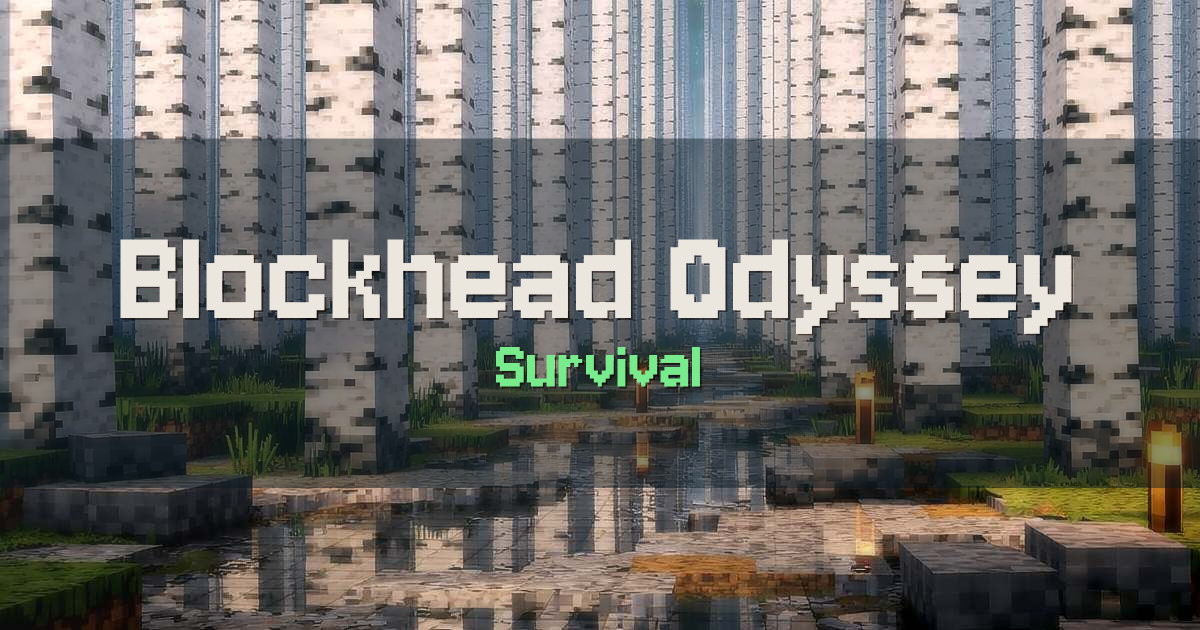
Blockhead Odyssey is a long-running Minecraft survival world built for players who want their progress to matter.
Welcome to The Coil MC, our community-focused Java survival world where classic Minecraft is the starting point, not the whole story.
At Avatar Remastered, we bring elemental bending to Minecraft across a community survival world and a competitive combat server.
At SquadCraft, we bring a range of Minecraft modes together so you can choose the kind of competition or progression you’re in…
Welcome to Ham5teak, our Minecraft network for progression, island building, and competitive combat.