

Minewind is a survival server built around choosing your own path and hunting down powerful loot that fits your play style. Find a wide variety of gear in chests across the world, trade with villagers for emeralds, and take on dangerous mon…
custom world
A custom world server runs on a map that was designed on purpose, not rolled from a seed. Expect shaped coastlines, planned biome borders, hand-built caves or ruins, and landmarks that are placed to be discovered. The terrain is part of the content, not just where the content happens.
Exploration plays differently because the world has readable intent. You are not only hunting for the right RNG, you are following rivers, ridgelines, roads, and sightlines that push you toward towns, dungeons, or resource pockets at a deliberate pace. Even in otherwise vanilla survival, the early game feels less like wandering and more like moving through a setting.
Progression becomes route-based and social. Players trade coordinates, chart safe paths, and build outposts near choke points or high-value valleys. Travel rules matter more than usual: with no teleport, roads, bridges, and nether hubs become real infrastructure; with warps, the map tends to revolve around hubs and curated regions you bounce between.
Building also shifts because the landscape already has a style. Good custom worlds give you obvious places to settle and expand, like a harbor-shaped bay, a plateau built for a town wall, or a canyon that begs for a suspended bridge. The best servers keep the map cohesive while still letting you mine, terraform, and leave your mark.
This format is not automatically roleplay or adventure mode. You will see it in SMP, economy, and even competitive servers that just want a stronger canvas. The main tradeoff is that scarcity and boundaries are often intentional, which can make land and certain biomes more contested than on an endlessly expanding vanilla world.
Is a custom world server still normal survival?
Usually, yes. You still gather resources, build bases, and progress through the game as usual. The difference is that the overworld terrain and points of interest are authored, and some locations may be protected or treated as community landmarks.
How does world size work on custom world servers?
Many run with fixed borders so the terrain stays curated and land stays valuable. Others expand by adding new regions over time. If you care about long-term base permanence, check whether the server does seasonal resets or plans map expansions.
Will I still have access to strongholds, nether fortresses, and other key progression structures?
Often yes, but it depends on how the map was built. Some keep vanilla structure generation; others hand-place key structures or tune their spacing. If your playstyle depends on specific farms or a fast End route, look for notes about custom structures or adjusted generation.
Do custom world servers usually have stricter grief protection?
They often do, because terrain and public builds are part of what players came to see. Claims and protected spawn regions are common. On competitive rulesets you might get fewer protections, but there are usually clearer rules around major landmarks and shared infrastructure.
What makes a custom world feel good to play on?
Clear landmarks and travel logic. The best maps have regions you can navigate by memory, routes that make sense, and points of interest that reward moving through the world instead of skipping it. Movement rules are the deciding factor for feel: no-TP worlds emphasize journeys; warp-heavy worlds emphasize hubs.
-
-
2
 311/1000OnlineWelcome to Loka, a semi-vanilla PvP survival server powered by custom plugins that shape how you explore, fight, and build power. At the center of the experience is our custom-written Territorial Conquest system, where towns vie for control…
 -
3
 142/1000OnlineWelcome to PetalSMP, a cozy survival server for players who want a safe, peaceful place to play, build, and connect. Explore our beautifully crafted custom world, take on engaging quests, and choose from custom jobs as you settle in. We sup…
 -
4
 109/1000OnlineFaeries SMP is a relaxed survival SMP for players who want a comfortable place to play Minecraft and genuinely get to know the people around them. Our main focus is bringing players together to make new friends with others who share the…
 -
5
 76/500OnlineBienvenido a PokéArena, un servidor en español inspirado en el mundo Pokémon. Ofrecemos dos experiencias: Pixelmon 1.16.5 y Cobblemon 1.21.1, con un mundo custom pensado para explorar y progresar. Aquí encontrarás clasificatorias, torre de…
 -
6
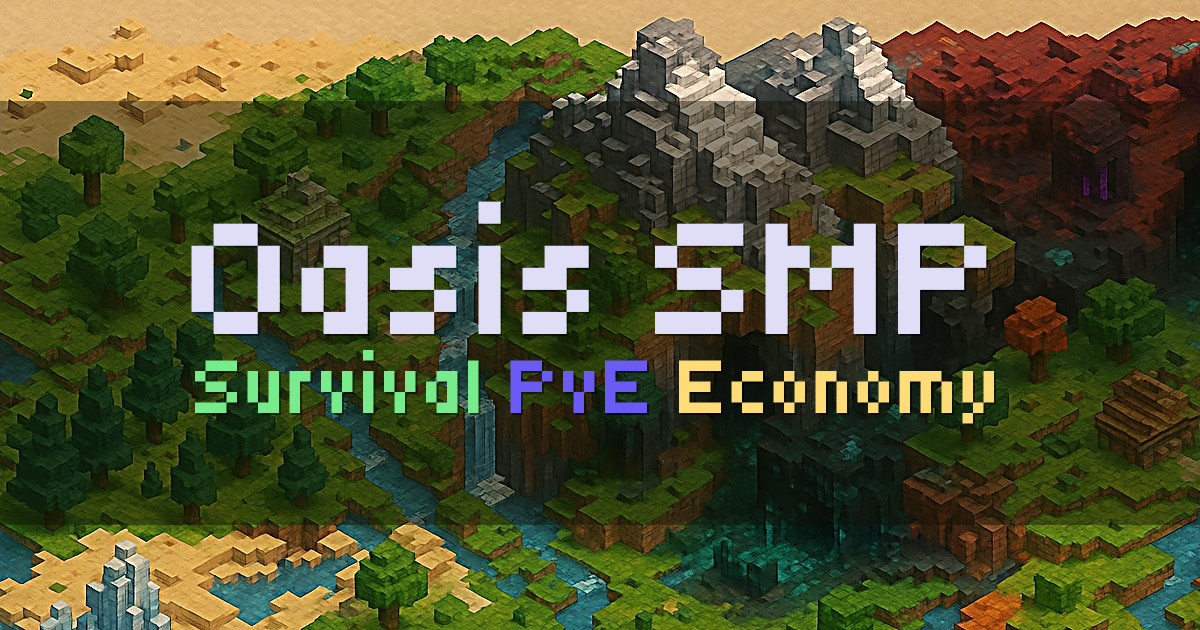 10/60OnlineOasis SMP is a relatively new survival multiplayer server for players who want a mostly vanilla-feeling experience with a few meaningful systems to grow into. You can protect your builds with land claiming, level up skills as you play, and…
 -
7
 4/500OnlineWelcome to BiteForceMC, a Cobblemon modded Minecraft server built around exploration, progression, and Pokémon adventure. Play in a massive custom-built world where you can roam, run into wild Pokémon, and focus on catching and training the…
 -
8
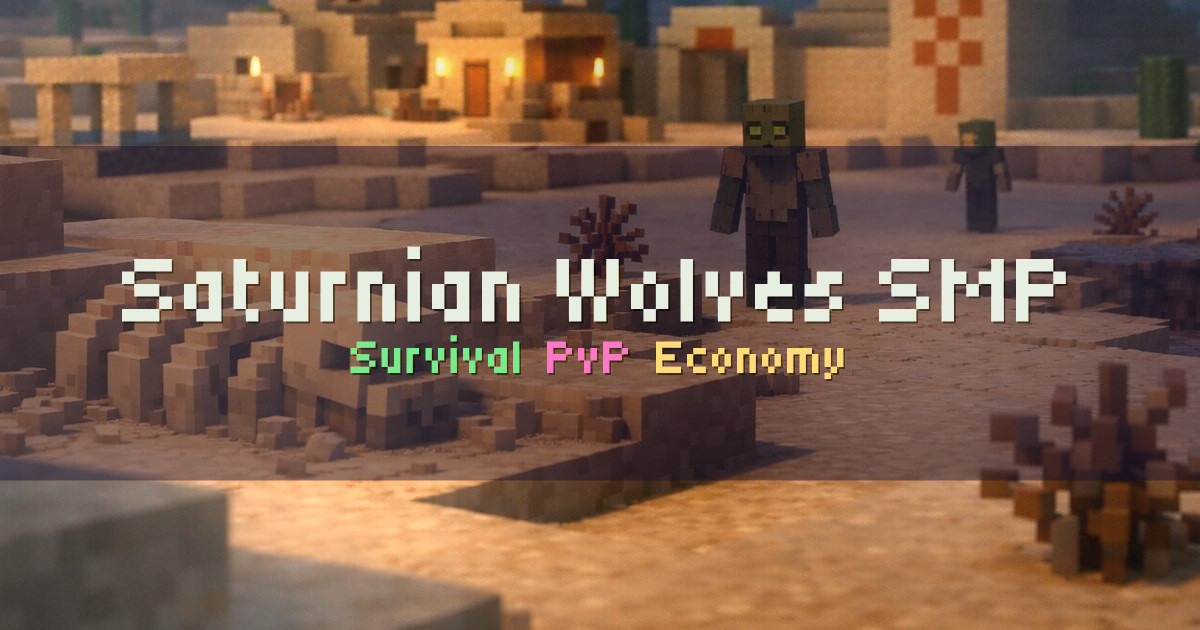 0/20OnlineSaturnian Wolves SMP is a space-themed survival server set across Saturn and its moons, built for players who want survival to actually matter. You’ll explore locations like Titan and Dione while progressing through survival and PvP. The se…
 -
9
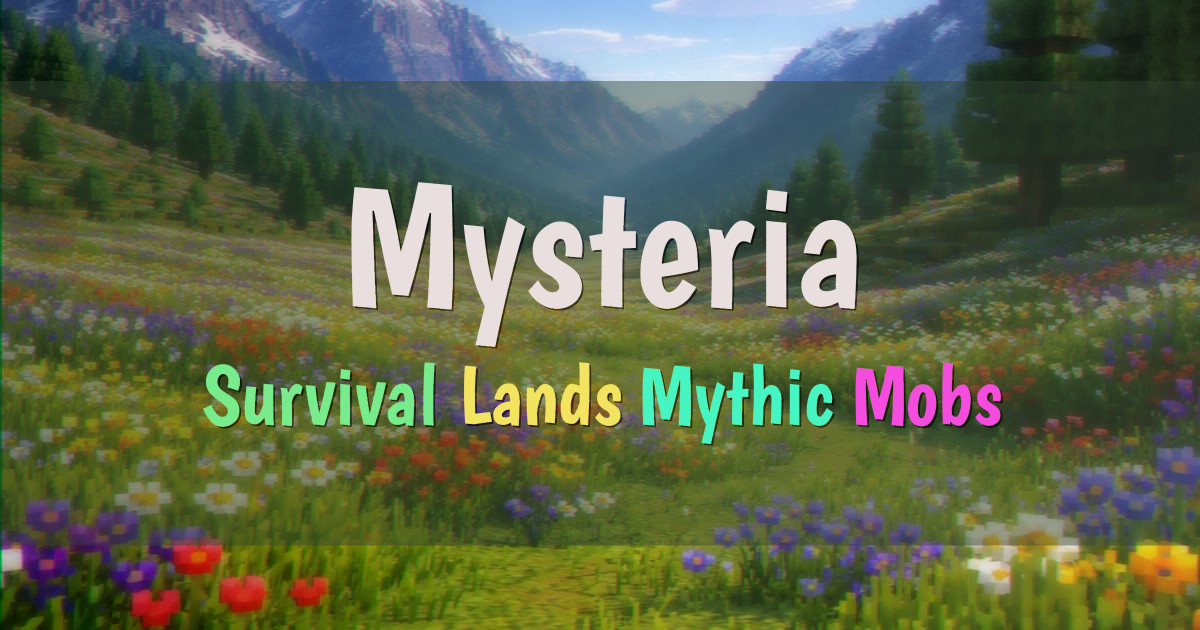 0/100OnlineMysteria is a survival server built around a friendly community, a beautiful custom world, and unique monsters that make exploration and progression feel fresh. We focus on adding meaningful challenges and discoveries beyond a basic surviva…
 -
10
 0/20OnlineTakeawayLife is a civilization server with a serious twist: every time you’re killed by another player, you lose a heart or “life.” Lives cannot be regained, so survival, diplomacy, and smart planning matter. Run out of lives and you’ll be…