Minewind is a survival server built around choosing your own path and hunting down powerful loot that fits your play style. Find a wide variety of gear in chests across the world, trade with villagers for emeralds, and take on dangerous mon…
Infinite World
An infinite world server is survival Minecraft where the map is effectively without an edge. The world keeps generating as people travel, so the server is less about learning a finite layout and more about choosing a home in a place that can always expand. Exploration stays relevant because there is always another biome line, structure, or unclaimed stretch of terrain in some direction.
The gameplay loop is familiar, just aimed at the long haul. You scout for a base spot, pull villagers and resources into place, then make distance cheap with Nether travel. Over time the challenge shifts from survival to logistics: nether hubs, ice roads, shulker storage, and hauling materials across thousands of blocks. Big builds land differently when you expect the world to stick around and keep accumulating history.
Social life tends to form geography. Spawn becomes the crowded layer-cake of starter houses, public farms, shops, and portals. Further out, groups spread into quieter regions to get space and reduce random traffic, then connect back with portal networks and long routes that turn into landmarks. Good infinite worlds feel like a lived-in continent: infrastructure, abandoned bases, and old projects tell you who was here before you.
The main tradeoff is that unlimited space still has limits in performance and management. Unchecked exploration can bloat region files and create lag spikes from constant chunk generation. Most servers protect the infinite world feeling with practical rules: view-distance and chunk-loading limits, pregenerated areas, and sometimes pruning truly unused distant chunks. The promise stays the same: if you want a fresh start, you can pick a direction and go.
Do infinite world servers ever reset?
Some treat the world as permanent. Others do rare resets, or keep the same seed while pruning long-unused far chunks to control file size and performance. If you care about long-term bases, check for a clear policy on resets and chunk pruning.
How do people keep their base from being found?
Most players simply move far out, then connect back via a Nether hub or a private portal route. On servers with claims, you can live closer without worrying as much. On more open survival, distance and keeping your travel lines quiet are the usual tools.
What is spawn usually like?
Busy and messy in a good way. Expect public infrastructure, portals, starter builds, and abandoned projects stacked over time. Many players use spawn for trading and community projects, then live elsewhere once established.
Is it actually worth exploring, or is it just more empty land?
It is worth it if you enjoy the hunt for fresh terrain, structures, and space to build. The cost is travel time and scattered builds. Servers with strong Nether networks, public portals, or sensible travel options make the scale feel adventurous instead of tedious.
How does an infinite world impact performance?
The stress comes from constant new chunk generation and the world growing in storage over time. You feel it most during fast elytra exploring, heavy chunk loading, or when many large farms run at once. Well-run servers manage it with chunk and entity limits, careful view-distance, and world maintenance.
-
-
2
 65/200OnlineWelcome to HaZeyNetwork, a true Minecraft anarchy survival server with no rules and no resets. It’s a lawless world where anything goes, and every decision is yours. Survive, raid, grief, and dominate through unrestricted PvP and base raidi…
 -
3
 22/100OnlineWelcome to CubeCadia, a progression-driven survival server built for players who enjoy long-term goals and systems that grow with you. Our gameplay focuses on upgradeable tools and gear, including level paths you can choose as you progress…
 -
4
 21/100OnlineEn Hyzone nos enfocamos en una experiencia Survival equilibrada, pensada para que puedas avanzar a tu ritmo sin preocuparte por tus construcciones. Buscamos mantener el desafío del survival clásico, pero con la tranquilidad de un sistema de…
 -
Bienvenido a Mapucraft, un servidor Towny con soporte para Java y Bedrock. Somos una comunidad activa con 8 años de historia, centrada en una experiencia de juego con una economía variada y un mercado pensado para el intercambio entre jugad…
-
6
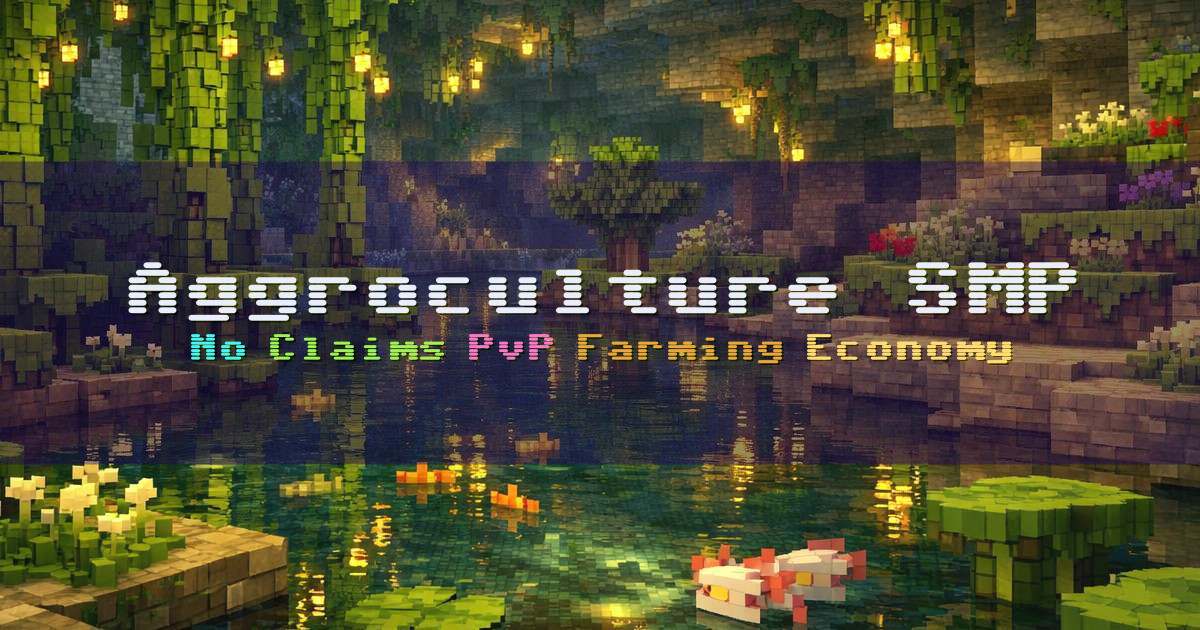 7/50OnlineWelcome to Aggroculture SMP, a semi vanilla survival server built for players who want real risk, real progression, and an economy that comes from the land. We focus on farming and PvP with a multi-crop, player-driven economy and skill-base…
 -
7
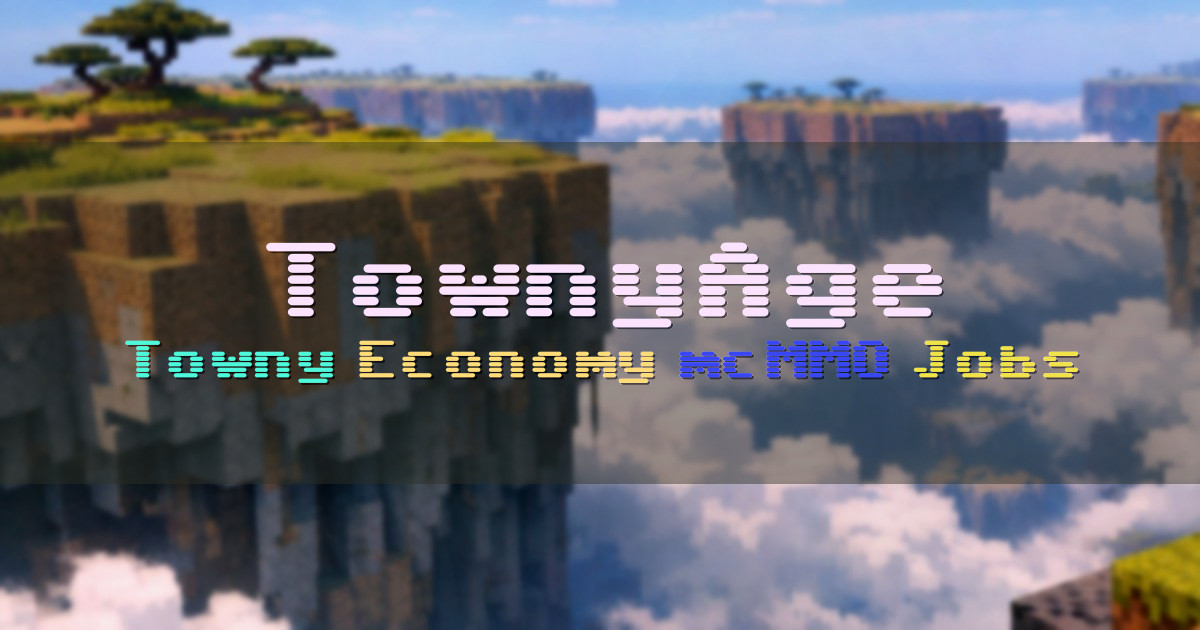 7/60OnlineTownyAge is a fresh Towny survival server built around community, building, and a working economy. Whether you want to start a town, join one, or play solo and trade with others, we focus on giving you room to grow and long-term goals…
 -
8
 4/40OnlineLast Breath Hardcore is a community-first server built for players who miss joining a world and actually wanting to stay. We focus on a long-term experience where progress matters, your builds mean something, and people remember you even af…
 -
9
 3/75OnlineThe Wooden Spoon is a whitelisted, semi-vanilla survival SMP built around co-op play and a genuinely collaborative community. We keep things friendly, organized, and welcoming for players who enjoy playing together rather than racing for ad…
 -
10
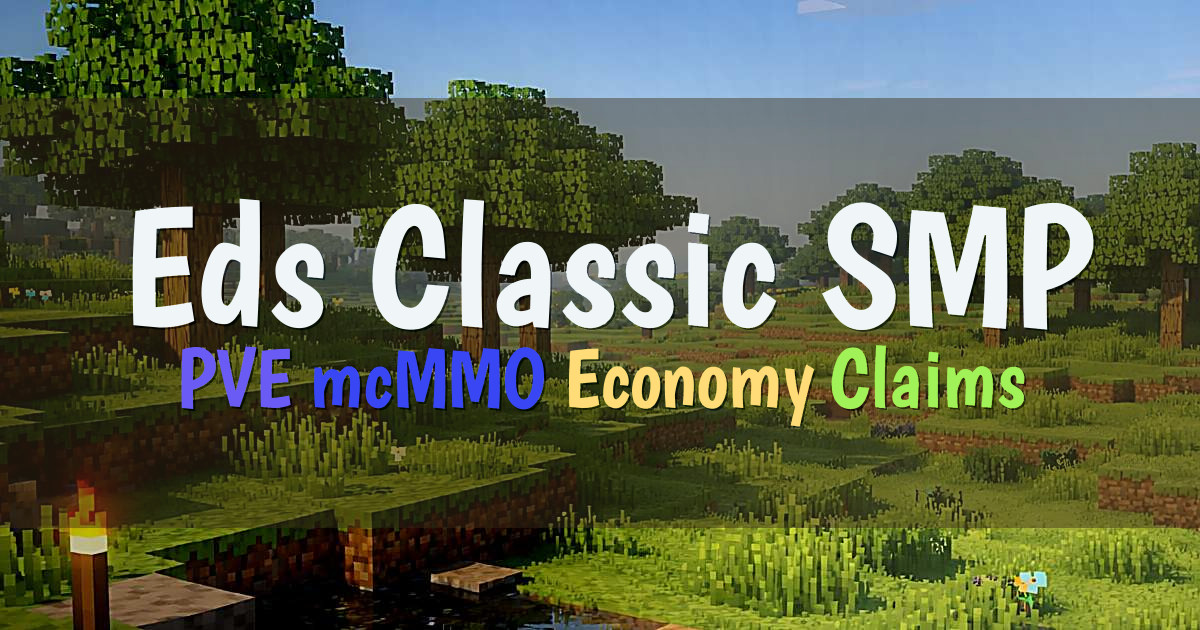 2/20OnlineEds Classic SMP is a relaxing PVE survival multiplayer server built for long-term play, with steady progression and a community that can grow over time. The server is still being updated and expanded, and we welcome player feedback as we co…