Minewind is a survival server built around choosing your own path and hunting down powerful loot that fits your play style. Find a wide variety of gear in chests across the world, trade with villagers for emeralds, and take on dangerous mon…
Long running community
A long running community server is built on continuity. The world has visible history: old rail lines, patched chunks from past updates, districts that grew in layers, and a spawn that feels maintained instead of freshly generated. The appeal is knowing your time will still matter months later, and that you can take a break without returning to a wipe.
Gameplay is shaped by what already exists. You are joining an ecosystem of nether hubs, shops, public utilities, established farms, and local expectations about space and conduct. Getting started is often smoother because basics are available through trade or shared infrastructure. The tradeoff is accountability: grief, scams, and careless building land harder when the map and relationships have years behind them.
Socially, it plays like a neighborhood. Regulars recognize names, moderation and norms handle disputes, and big builds happen because players organize them. Collaboration is long-term by default: planned districts, shared roads, public farms with etiquette, and events that only work when the same group keeps showing up.
Older worlds come with real constraints. Land near spawn is often claimed, popular areas are traveled, and performance depends on how well the server curates lag sources and maintains the map. Strong communities stay clear about what is permanent, what gets refreshed (like the End), and how new players can settle without colliding with existing projects.
Will I be behind if I join late?
In raw wealth, probably. In momentum, not necessarily. Mature transport, shops, and community farms can get you to full gear quickly. The long game is social: choosing a spot, earning trust, and contributing in ways people remember.
Do long running communities wipe the world?
Many avoid full overworld wipes because persistence is the point. When they do maintenance, it is usually selective: pruning unused chunks, opening new frontiers, or resetting specific dimensions like the End. Check what is guaranteed to stay before committing to a major base.
What rules are common on these servers?
Rules usually protect player time. Expect strict anti-grief enforcement, clear boundaries around stealing and scams, etiquette for public farms and shared spaces, and limits on lag-heavy contraptions or entity spam. A healthy community also pushes conflict resolution through staff and norms instead of retaliation.
How do I find a place to build on an older map?
Use the server map or community channels if they exist, then ask where newcomers are expected to settle. Many communities have towns with open plots, expansion regions, or distance guidelines from spawn and major projects. When scouting, follow existing routes so you do not cut through someone else’s planned area.
Are these servers usually pay-to-win?
Not by definition. Long running communities often rely on player-run trading because it keeps people connected. The trustworthy ones keep store perks cosmetic or convenience-based and avoid selling power that bypasses the economy, like high-tier gear kits.
-
-
2
 103/300OnlineCivMC is a Minecraft civilization server where gameplay intertwines with politics, economy, diplomacy, and history shaped by the players. We run a custom suite of plugins designed to support player-driven gameplay, with no admin involvement…
 -
Welcome to Stranded, a high-quality Minecraft server focused on Survival and Economy. We put a lot of care into creating unique content and maintaining an amazing community, with friendly staff and players who enjoy building, progressing, a…
-
4
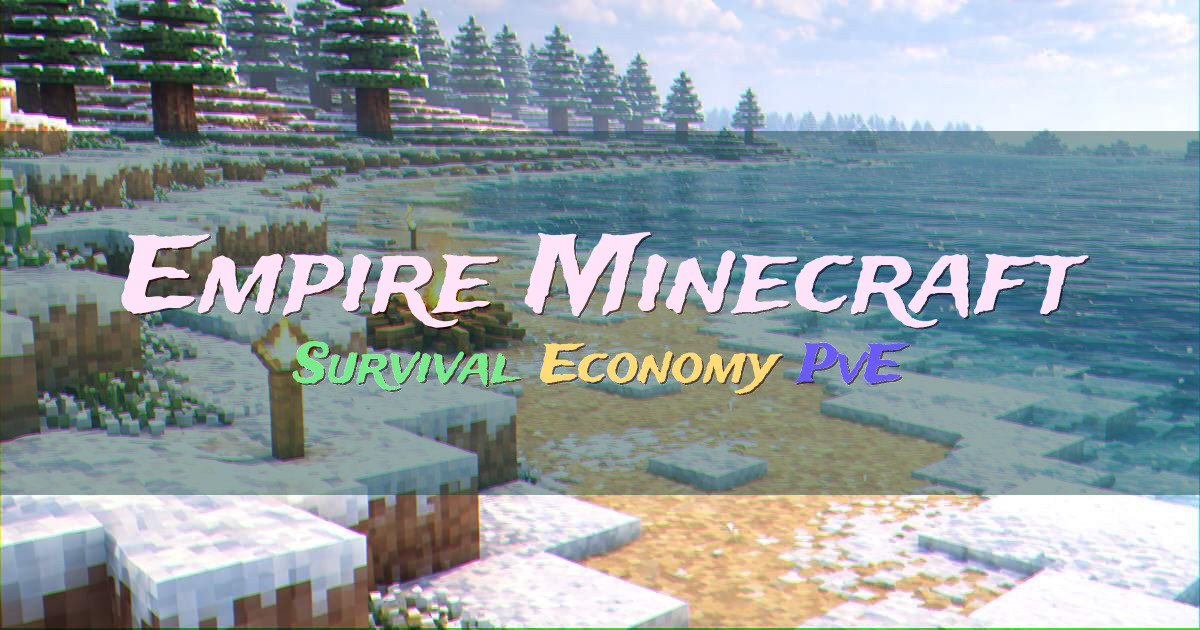 19/1000OnlineEmpire Minecraft is a survival server built around a vanilla-style experience, with protection and customization options that let you play the way you want. Settle into protected town plots, or head out to wilderness outposts with optional…
 -
5
 19/500OnlineWelcome to HappySMP, a friendly Survival Multiplayer server for players who want to relax, explore, build, and have fun in a positive community. We keep survival stress-free with land claiming to help protect your builds, plus the option to…
 -
3b3t is an anarchy Minecraft server that has been running since January 2021, with a major split into two twin worlds in November 2024 so players can see how they develop differently. Our No Hax Anarchy world runs on a no-hacking setup…
-
7
 7/1987OnlineWelcome to the FNaF Sister Server, a reboot of the original community from 2017. Our old community came back together to rebuild everything from the ground up. Explore meticulously rebuilt and restored locations, including classic maps like…
 -
8
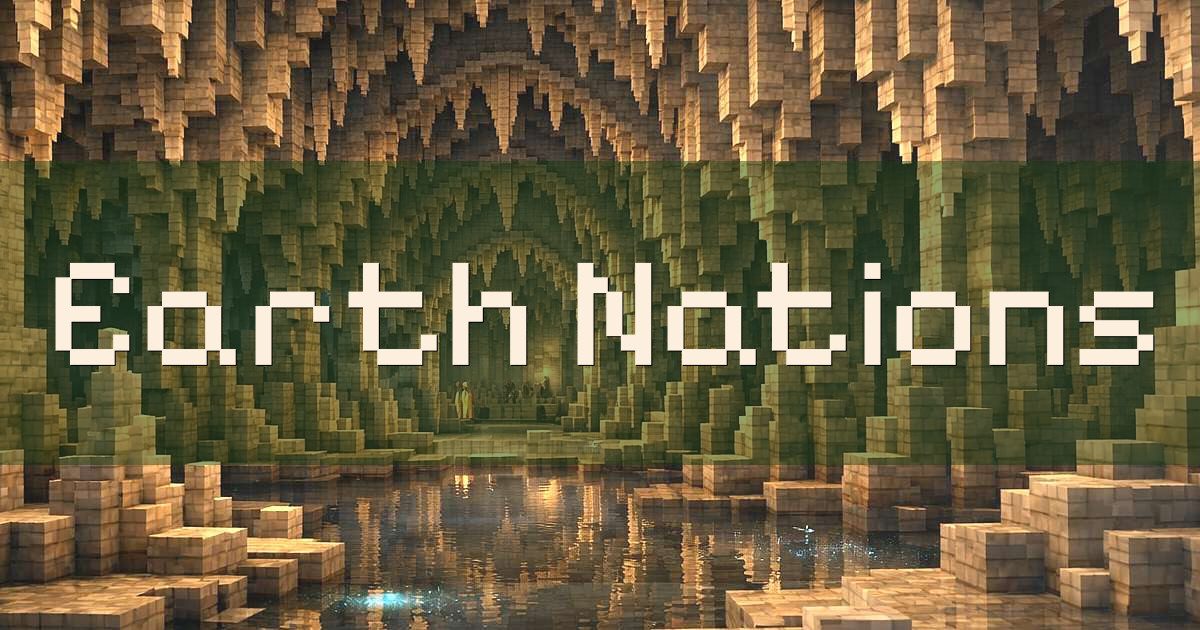 5/500OnlineUnited Lands is a Towny-based Earth SMP built for players who want long-term nations, real borders, and meaningful conflict. We run a 1:500 scale Earth map where nations can claim large areas with minimal upkeep, giving you the freedom to s…
 -
Bem-vindo ao Hu3Server. Nosso foco é um Survival com uma seleção grande de plugins para dar mais opções de progresso, comércio e qualidade de vida, mantendo a experiência de sobrevivência como base. Usamos Slimefun e diversos addons para ex…
-
10
 4/50OnlineNEO SMP is a new and growing survival multiplayer server built around fair play and long-term progression. We keep things simple and balanced with a clear stance against pay to win. We support Eaglercraft, standard Minecraft Java, and crack…