Minewind is a survival server built around choosing your own path and hunting down powerful loot that fits your play style. Find a wide variety of gear in chests across the world, trade with villagers for emeralds, and take on dangerous mon…
Mature community
A mature community server is less about the gamemode and more about the social contract. Chat stays readable, disagreements stay contained, and people generally know where the line is. You still get rivalry and jokes, but not the kind that turns into spam, slurs, or nightly blowups. It is the sort of place you can build, trade, and work on projects without feeling like every login is a new argument.
The pace tends to be long term. Players invest in bases that take weeks, document farms, and maintain shared infrastructure like nether hubs and shopping areas. Trust matters in small ways: asking before expanding into someone else’s space, returning borrowed gear, and treating other people’s time like it counts. Once you learn the regulars, it feels more like a neighborhood server than a public lobby.
What makes it work is culture backed by enforcement. Expect clear rules around harassment, griefing, and chat conduct, plus staff who actually step in when things cross the line. Mature does not automatically mean family friendly, but it usually means work-safe: fewer meltdowns, less attention-seeking chaos, more normal conversation while you mine, build, or run villagers.
Because the social side is the point, many of these servers use light structure to reduce friction: protections or rollbacks for builds, player-run shops with clear expectations, and consent norms for pranks and PvP. Reputation carries weight, and your name tends to mean more than today’s kill count.
Does mature community mean 18+ only?
Not necessarily. Some servers are strictly 18+, others are mixed-age but enforce the same standards for everyone. In practice, consistency of moderation matters more than the age gate.
Is PvP allowed on mature community servers?
Often, but it is usually opt-in or rules-based. Think arenas, agreed duels, or organized conflict. Random ganks, spawn killing, and baiting players into losing gear usually get shut down fast.
How do mature community servers deal with griefing and theft?
They rely on both norms and receipts. Many use logs, rollbacks, or protections, but the key difference is follow-through: reports are handled, patterns are noticed, and repeat offenders do not linger.
Do I have to be on voice chat or be very social?
No. Plenty of players build quietly and only chat when it matters. These communities usually respect that some people log on to decompress, not to perform.
How can I tell if a server is actually mature once I join?
Watch public chat and how staff and regulars respond when tension shows up. Clear rules, calm correction, and consistent outcomes are good signs. If every disagreement becomes a spectacle, the culture is not there yet.
-
-
2
 329/1000OnlineForget everything you know about roleplay. Lord of the Craft offers a radically different, deeply immersive journey into a genuine medieval fantasy universe where staying in-character is central to the experience. Create your own character…
 -
3
 121/1000OnlineValatic staff recruitment is open. We are looking for new volunteer staff members who want to be part of a respectful, team-first environment. We focus on building a strong staff culture where people enjoy working together, not just handlin…
 -
4
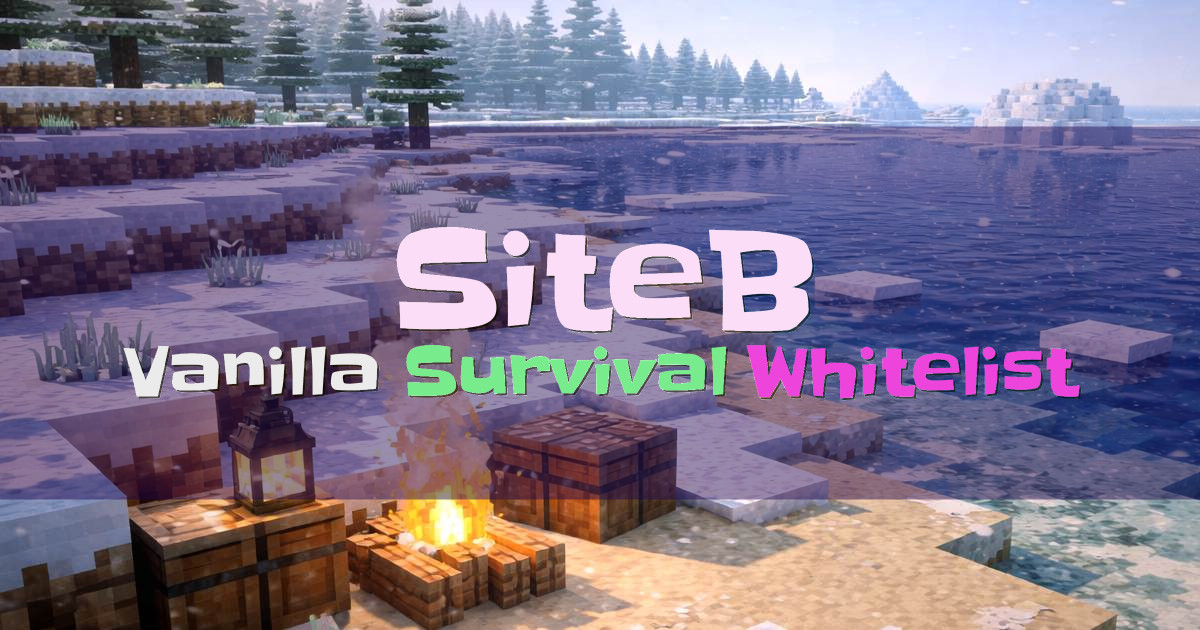 35/150OnlineSiteB is a vanilla 1.21 survival SMP for adults who want a relaxed, mature place to play. We keep things simple and classic, with a small, friendly community and a HermitCraft-like feel where people can build, share, and explore together. O…
 -
5
 25/100OnlineTerraTrove is a long-term, seasonal, whitelisted Minecraft SMP for players aged 18 and over. We focus on the core vanilla survival experience, with a small set of quality of life features that support day-to-day play. Alongside vanilla game…
 -
6
 16/48OnlineCrescenta is a long-running worldbuilding, storytelling, and geopolitical roleplay server built around a mature community and player-driven stories where your choices can meaningfully change what happens next. Our current world, Gary, is ab…
 -
7
 15/100OnlineAge of MC is a long term, text based medieval roleplay server built for players who want their choices to matter. We focus on in-character interaction and collaborative storytelling where kingdoms rise, alliances form, and rivalries develop…
 -
Near Vanilla is a semi-vanilla SMP built around a mature 18+ community that’s been playing together for years. We aim for a friendly, close-knit environment where you can build, collect, explore, and enjoy survival the way it’s meant to be…
-
Ravencraft is a semi-vanilla survival multiplayer server for grown-ass adults who enjoy building, exploring, experimenting, and creating together. We run a community-oriented SMP with friendly mods who have worked together for years, plus a…
-
10
 11/50OnlineMetaUnion is a Minecraft network built around a friendly, helpful community and a mature, open-minded atmosphere. We keep things fair with an anti pay to win approach: donations only provide an in-game rank with no gameplay advantages. Our…