Minewind is a survival server built around choosing your own path and hunting down powerful loot that fits your play style. Find a wide variety of gear in chests across the world, trade with villagers for emeralds, and take on dangerous mon…
Wandering trades
Wandering trades servers turn the wandering trader from a once in a while visitor into a steady progression path. Instead of rushing straight into a full villager hall, players track spawns, stock emeralds, and make calls based on the current rotation. You still mine, build, and explore, but your momentum often comes from what the trader is selling today and whether it is worth spending now or waiting for a better roll.
The vibe is part scavenger hunt, part market night. Players watch common travel routes, build safe trading posts, and call out sightings in chat because one strong set of offers can shape everyone’s plans. Good servers tune it so the trader adds access and variety without deleting the rest of Minecraft. Expect hard to source blocks, biome locked plants, odd utility items, maps, and occasional curated gear, but you still need nether access, farms, and real resource gathering to pay the bill.
It shifts community play toward shared supply lines. Instead of every base being totally self contained, players set up emerald engines and trade networks: raid farms, crops, sticks, stone and wood bulkers, or buyback shops that turn common materials into spending power. When a rare rotation hits, the whole server spikes with movement, and you end up with a shared history of the day mangrove finally showed up or the week exploration suddenly mattered again.
What do wandering trades servers usually add to the trader?
Most expand the pool with items that are normally biome gated, slow to obtain, or just annoying to source in bulk: plants and saplings, decorative blocks, niche redstone bits, utility items, maps, and sometimes limited enchantments or gear. The healthiest setups treat it as a way to widen options, not as a replacement for major milestones like the Nether and the End.
How do players keep up with the emerald demand?
By treating emeralds as currency, not a side item. Early game it is manual trading and loot, then most players build one consistent income source, commonly a raid farm or a simple crop or stick pipeline, and sometimes a server shop loop that converts bulk resources into emeralds. Rotations reward steady income more than occasional big hauls.
Do villager trading halls still matter?
Usually, yes, but their role changes. Wandering trades covers variety and specific hard to get items, while villagers still dominate repeatable essentials like tool enchants and bulk consumables. Some servers cap, nerf, or slow villagers on purpose so the wandering trader stays relevant.
Is it just luck, or can you actually play it well?
The offers are random, but the advantage is preparation and coordination: emerald reserves, a safe place to trade, and people sharing sightings quickly. If a server lets players force spawns or buy rotations for real money, the format stops being about gameplay and starts being a storefront.
What are signs the economy will hold up long term?
Rare items should still have a meaningful cost beyond waiting. Look for price tuning, trade caps, payments that require real gathering, and progression gates for the strongest offers. If players can buy everything important on day one with minimal effort, exploration and player driven trade usually collapse.
-
-
CubeCraft Games is one of the largest Minecraft server networks in the world, built around fun, fast, replayable games you can jump into anytime. We’re always working to make the best games and keep the experience enjoyable for everyone. Ou…
-
3
 41/100OnlineVW Reloaded is a custom Survival and Skyblock server built for players who want their work to last. Our worlds are designed to be long-term, with no resets in over a decade, so the bases, farms, and projects you invest in can…
 -
4
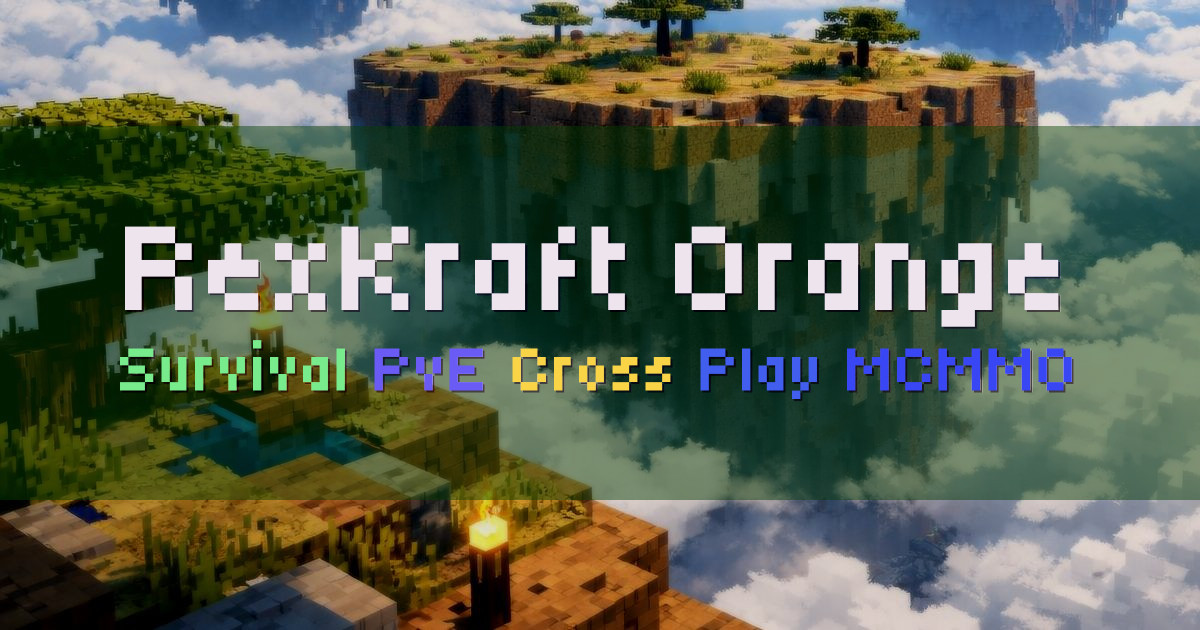 11/100OnlineRexKraft Orange is a friendly Survival PvE server focused on community and a fresh-start experience. Meet new people and make friends while you play in an economy-based survival world with MCMMO progression and cross-play support for both J…
 -
5
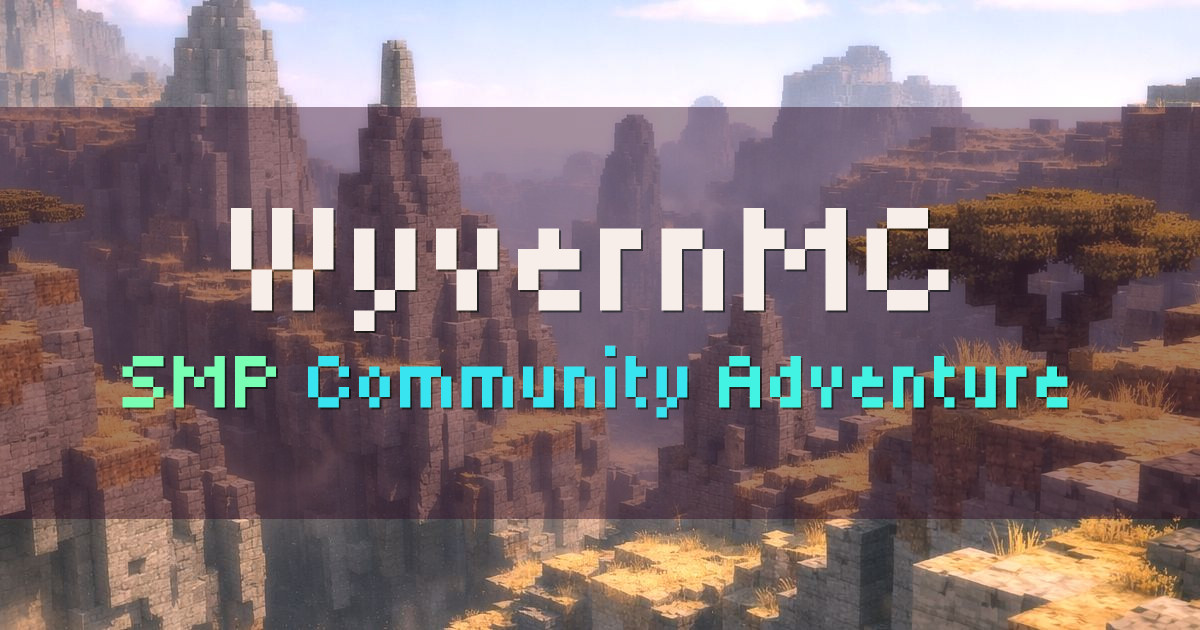 10/100OnlineWyvernMC is a new SMP community focused on adventure, creativity, and long-term fun. We’re growing from the ground up, and we’re looking for players who want to be part of a server that’s being shaped in real time. We add new and…
 -
6
 5/110OnlineNovaTek is an international, community-oriented SMP built for both technical players and casual players who want to enjoy the base game with minimal technical restrictions. Our main world is a no-resets, forever world meant for long-term bu…
 -
2 Paws 1 Job is a furry anarchy survival world. There are no rules, no claims, and no protections. Duping is allowed, and griefing and PvP are encouraged. We do not reset the map. Every crater, ruin, and cobble box stays as…
-
8
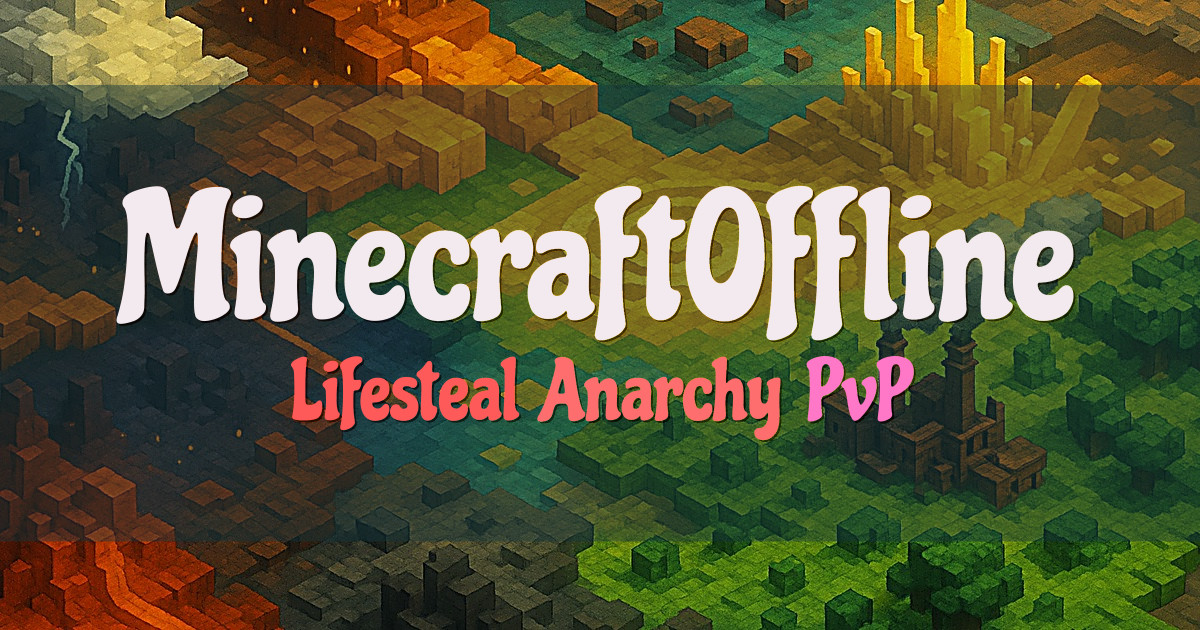 5/120OnlineMinecraftOffline is a lifesteal anarchy server built around high-stakes PvP and survival. Kill players to gain hearts, and lose hearts when you die. If you run out of hearts, you’re banned. New players get a one hour grace period where hear…
 -
9
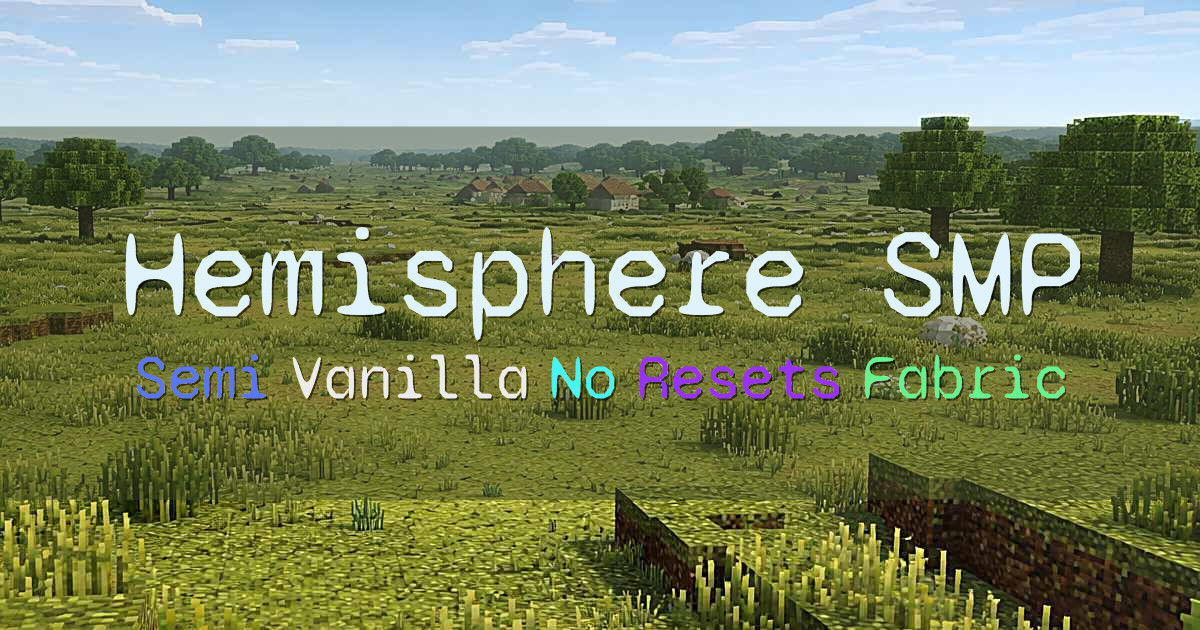 4/420OnlineHemisphere SMP is a Hermitcraft-inspired, vanilla-faithful survival server built to last. We’ve been playing in the same world for a decade with zero resets, and the map’s history is something you can feel in every district and long-term bu…
 -
We run a brand new vanilla-style Survival server on Fabric, focused on keeping Minecraft mechanics feeling right. Redstone and farms behave the way experienced players expect, so you can build reliable systems without fighting unusual chang…